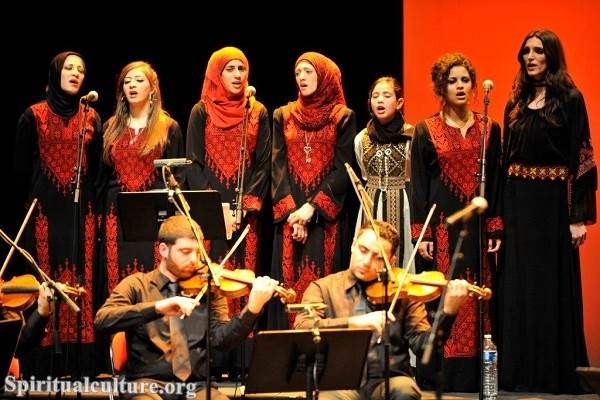
Religion and Spiritual Culture in Palestine: Beliefs, Traditions, Festivals, and Sacred Heritage
Learn about religion and spiritual culture in Palestine, including major beliefs, sacred places, festivals, rituals, and living heritage.
Learn about religion and spiritual culture in Palestine, including major beliefs, sacred places, festivals, rituals, and living heritage.

Orthodoxy and Protestantism share many similarities in terms of their beliefs and practices, as they are both branches of Christianity.
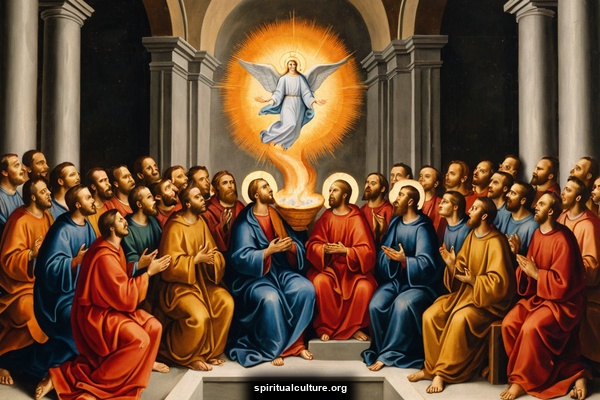
Pentecost, the “Church’s birthday,” celebrates the Holy Spirit’s descent, fulfilling Jesus’ promise and empowering His followers in context.
The Gregorian calendar is based on the solar year, specifically the Earth’s orbit around the Sun with historical and religious context.
Pope Gregory IX, born as Ugolino di Conti, was one of the most influential figures in Catholicism and the Catholic Church in religious life.
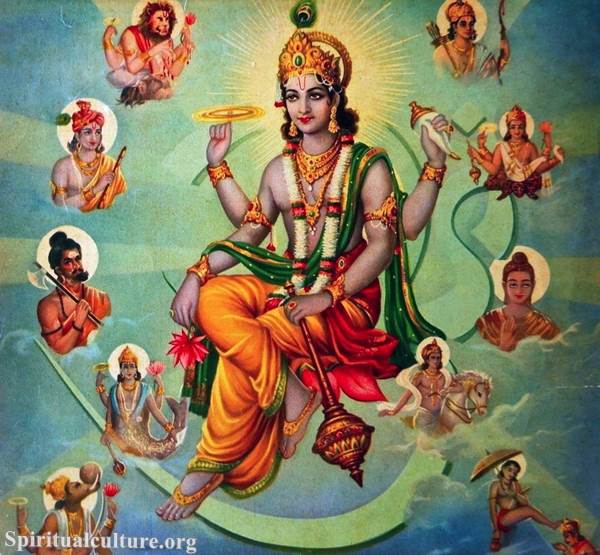
Learn why Vishnu is often linked with ten avatars, how Dashavatara lists vary, and the roles of Matsya, Rama, Krishna, Buddha and Kalki.
Learn about Temple in Buddhism: A Sacred Space for Awakening, covering history and origins, practice and daily life, worship and ritual.
Learn how John Wycliffe challenged church authority by translating the Bible into English and promoting Scripture as the ultimate truth.
Sola Fide teaches we’re made right with God by faith alone—not by earning His love, but receiving it freely, fully, forever in Christianity.
Pope Urban II (1035–1099) launched the First Crusade and led reforms that shaped Church unity and Europe’s religious landscape in context.
Jesus is called the Lamb of God because He was the perfect sacrifice who took away the sin of the world through His death in context.
Divine providence assures us that God lovingly rules all things—even pain—guiding life with purpose, power, and unshakable goodness.