
Lord’s Supper or Communion
The Lord’s Supper is a sacred meal where Christians remember Jesus’ sacrifice, sharing bread and wine in worship, love, and hope in context.
The Lord’s Supper is a sacred meal where Christians remember Jesus’ sacrifice, sharing bread and wine in worship, love, and hope in context.
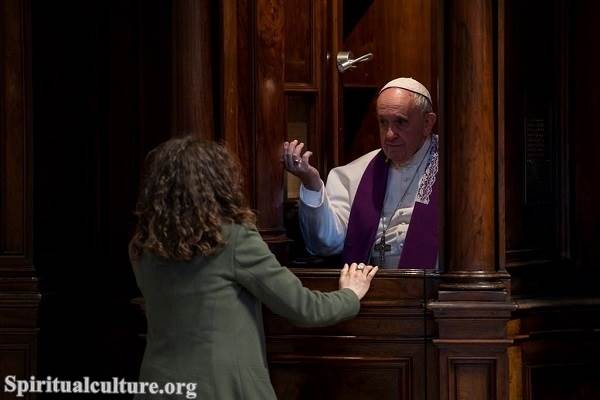
Learn how confession works in Catholicism, including practice and religious meaning, history, cultural context, continuing significance.
Many Christians believe in free will—humans can choose to follow God, though His grace empowers that choice and draws us to Him in context.
Calvinism emphasizes God’s sovereign choice in salvation; Arminianism highlights human free will in accepting or rejecting God’s grace.
Learn the source, traditional status, meaning, and historical context of The Banyan Deer: Nigrodhamiga Jātaka and Compassion, with a clear.
Learn what Tibetan Buddhist sand mandalas are, how they are created and dissolved, and how the ritual expresses impermanence and sacred.

Theravada Buddhism has a long and rich history dating back to the time of the historical Buddha, Siddhartha Gautama, in the 6th century BCE.

Explore major Hindu temple complexes in India, how size is compared, and why sites such as Srirangam, Rameswaram and Brihadisvara matter.
A timeless guide for modern minds—why the Buddha’s teachings still heal, ground, and awaken us in the digital age for Buddhist practice.
The Roman calendar have been created by Romulus. It was used by the ancient Romans for the majority of their history in historical context.

Learn whether Buddhism has one symbol for Nirvana, why the Dharma Wheel is often used, and what other symbols can represent awakening.
The Buddha taught that helping others with compassion and selflessness is a vital path to awakening and true inner peace in Buddhism.