
How Do Religions Teach People to Handle Suffering?
Explore how major religions guide their followers in understanding, enduring, and transcending suffering.
Answer questions and provide knowledge related to history, cultural spirituality, issues in life, society, and human beings.
Explore how major religions guide their followers in understanding, enduring, and transcending suffering.
Not all religions believe in a single supreme God — some see the Divine in many forms, others in none at all.
Explore the key differences between a sect and a religion—origin, structure, belief, and spiritual identity across time.
A sacred map of devotion — tracing the world's holiest places and their eternal pull on the human soul.
Good and evil stir every heart. Religions define them to guide moral behavior, shape spiritual growth, and weave the fabric of our shared humanity.
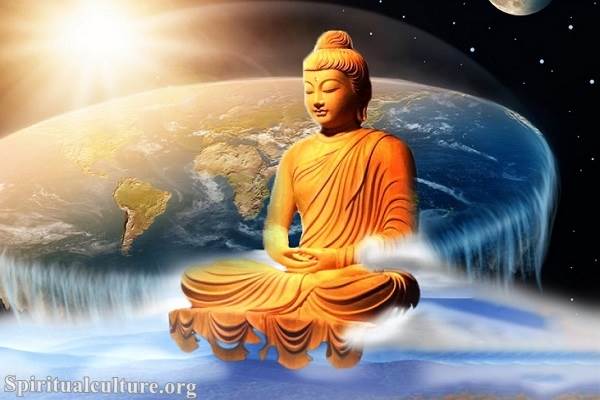
Some of the unique about of Buddhism include the Four Noble Truths, the concept of karma, rebirth, the three Universal Truths, the Eightfold Path, and the Three Jewels.

In Buddhism, many different rituals and practices are followed by different schools and traditions.

Ramadan is the ninth month of the Islamic lunar calendar, during which Muslims around the world observe fasting from dawn until sunset.
Conversion is a soul’s quest for truth and belonging, driven by deep spiritual and emotional currents, transforming lives and reshaping faith.
Shepherds of spirit and society—unpacking the sacred role of religious leaders in guiding faith, truth, and community.

The Julian Calendar, introduced by Julius Caesar in 45 BC, represents a significant advancement in our understanding of timekeeping systems.
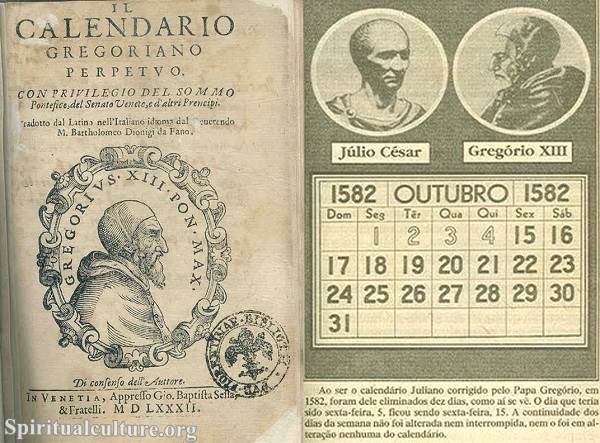
The Julian and Gregorian calendars are two different calendar systems used to measure time and track the progression of days, weeks, months, and years.
All articles have been displayed.