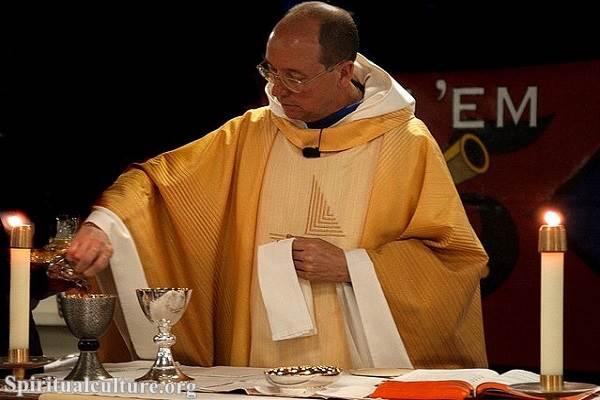
Making tea each morning can be a habit. Setting aside a moment to prepare it in a particular way, remember someone, or welcome a guest may turn the same action into a ritual. The difference is not simply how often it happens. It is what the action means to the people who do it.
What makes a habit different from a ritual?
A habit is a behavior that becomes familiar through repetition. It can save effort: we follow the same route home or put our keys in the same place without thinking much about it. Habits can be useful without carrying any special meaning.
A ritual usually has a recognizable form and a purpose beyond completing a practical task. Its gestures, words, timing, or setting may express respect, remembrance, gratitude, commitment, or a shared identity. Saying a blessing before a meal, for example, does something different from simply sitting down to eat.
There is no single test that works in every culture. Some rituals are highly formal; others are quiet and personal. A daily prayer may become familiar enough to feel habitual while remaining deeply meaningful to the person praying.
Can an ordinary routine become a ritual?
Yes. People can give an everyday activity a deliberate form and meaning. Lighting a candle on a remembrance day, leaving a seat for an absent family member at a gathering, or beginning a meeting with a moment of silence can mark a time as different from ordinary time.
The setting matters, too. A gesture may seem simple to an outsider but carry a history that members of a family or community understand. Repetition helps preserve that meaning, but it does not create meaning by itself.
What does a shared ritual add?
Shared rituals tell participants something about their relationships. A wedding ceremony marks a public commitment. A memorial gathering gives people a way to acknowledge loss together. A community greeting can express hospitality and belonging. These actions are not identical, and not all of them are religious.
In religious settings, a ritual may also be understood as worship, obedience, blessing, or encounter with the sacred. That understanding belongs to the tradition and its participants; an observer should not reduce it to a social performance alone. For a broader discussion, see why rituals matter in religious life.
Does a ritual lose meaning when it becomes familiar?
Not necessarily. Familiarity can make a practice comforting and easier to pass on. It can also invite people to act without much attention. Both experiences are possible, sometimes within the same person.
Rather than asking whether an action is repeated, ask three simpler questions: Is it set apart in some way? What meaning do participants give it? Does it connect them to a belief, memory, relationship, or community? Those questions reveal more than the label habit or ritual alone.