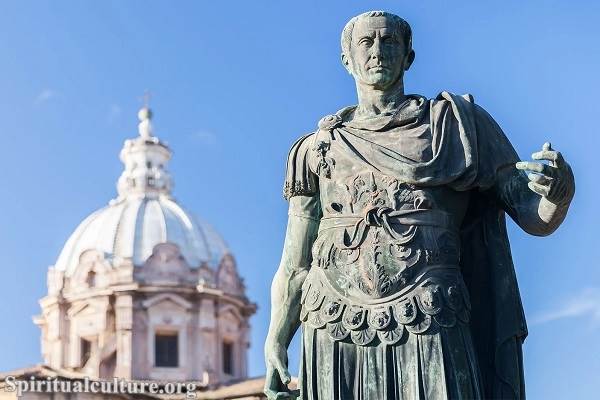
The story of Romulus, the mythical founder of Rome, is one of the most compelling and enduring legends in the annals of Western civilization. This foundational narrative, steeped in themes of conflict, divine favor, and the quintessential struggle for survival, resonates through the centuries, continually captivating historians, storytellers, and scholars alike. In examining the life of Romulus, we uncover the layers of myth and history that contribute to the cultural identity of Rome and the wider implications of his legacy.
The Legend of Romulus
Romulus’s legend is rooted in a complex mix of mythological elements that reflect the complexities of early Roman identity and the intertwining of divine will with human ambition.
Birth and Early Life
The captivating narrative of Romulus begins with his miraculous birth, a tale characterized by both tragedy and divine intervention. Romulus and his twin brother, Remus, were born to Rhea Silvia, a vestal virgin and daughter of Numitor, the rightful king of Alba Longa, a city situated near the future site of Rome. Rhea Silvia had been forced into this sacred office by her uncle Amulius, who had seized the throne from her father. To prevent any heirs that could challenge his rule, Amulius ordered Rhea to remain a virgin; however, the god Mars intervened, and she became pregnant, thus giving birth to the twins.
The circumstances of their conception underline the tension between fate and human desires. Rhea Silvia’s plight accentuates the societal pressures placed on women, particularly in patriarchal societies, while simultaneously setting the stage for the significance of her sons’ lineage. Fearing for their lives after Amulius learned of their birth, Rhea placed the twins in a basket and set them adrift on the Tiber River.
Their journey down the river is a powerful metaphor representing trials and tribulations that would shape their destinies. The water, initially a vehicle of danger, soon became a pathway to salvation. The twins were ultimately rescued by a she-wolf, who nursed them in her den, symbolizing the themes of protection and resilience inherent in the Roman spirit.
The Role of Rhea Silvia and Mars
The relationship between Rhea Silvia and Mars plays a crucial role in framing the fate of Romulus and Remus. Rhea’s dual status as a mother and a vestal virgin reflects the complex interplay of divine influence and human struggle. The gods’ involvement in their lives raises questions about destiny and agency; were the twins merely pawns in a cosmic game, or did they possess their own agency? Rhea Silvia’s position exemplifies the fragility of power—caught between the oppressive authority of her uncle and the divine intervention that led to her sons’ miraculous births.
Mars’s role as the father of Romulus and Remus sets a tone of martial prowess that permeates their identities. The god of war not only provides protection but imbues the twins with strength, courage, and the warrior spirit, characteristics that would later define Rome itself. This divine heritage complicates the notion of leadership in Roman culture, suggesting that those in power may be chosen by the gods, reinforcing the idea that Rome’s prominence was divinely ordained.
The Myth of the She-Wolf
Key Events During Romulus’ Reign
Romulus’s reign as the first king of Rome was marked by key events that solidified his legacy, exhibiting the intertwining of myth, aggression, and the imperative of state-building.
The Abduction of the Sabine Women
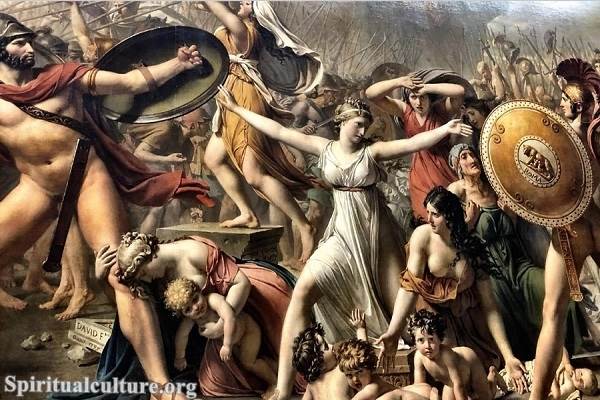
One of the most infamous episodes in Romulus’s rule was the abduction of the Sabine women, a story often discussed in the context of the city’s early population challenges. As Rome grew, the lack of women became a pressing issue. To address this, Romulus devised a plan during a festival dedicated to Neptune, inviting the neighboring Sabines to partake in the festivities.
Under the guise of a celebratory event, Romulus orchestrated a mass abduction, in which his men seized the Sabine women from their families. This event, while morally reprehensible by modern standards, served a practical purpose for the fledgling city. By forcibly integrating the Sabine women into Roman society, Romulus ensured the continuity and stability of his city.
The abduction of the Sabine women speaks to the complex nature of leadership and governance. While it reflects the violent and coercive elements often involved in state-building, it also highlights the sociopolitical necessity of creating familial bonds through marriage. The conflict that ensued between the Romans and the Sabines is emblematic of the broader patterns of human history, where subsistence and survival frequently necessitate the use of force.
The aftermath of the abduction also features a pivotal twist: the Sabine women, upon realizing the intentions of their captors, played a crucial role in mediating between the two groups. Their intervention prevented further bloodshed, ultimately leading to a dual society where Romans and Sabines coexisted. This transition from conflict to unity reinforced the concept of a shared identity amid diversity, framing the narrative of Rome as one of reconciliation and cooperation.
Military Conquests and Expansion
As the first king of Rome, Romulus’s military prowess became legendary. He led numerous military campaigns to expand the fledgling city’s territory and secure its position in the region. Romulus’s aggressive policies and strategic conquests not only broadened Rome’s borders but also forged a reputation for the city as a fierce and formidable power.
Romulus engaged in battles against neighboring tribes, often emphasizing both tactical acumen and personal valor. Rome’s early military campaigns reflected a culture that revered bravery and martial prowess, characteristics that would become foundational to Roman identity. The victories solidified Romulus’s status as both a king and a warrior, establishing a precedent for the future rulers of Rome.
The establishment of a structured military under Romulus also contributed significantly to the societal framework. He introduced the “sacramentum,” an oath of loyalty taken by soldiers, which further institutionalized the military in the public sphere. This practice allowed soldiers to pledge their allegiance not just to Romulus as king but to the city of Rome itself, fostering a sense of collective identity and commitment.
Military expansion, however, also carried consequences. As Rome grew, so did its enemies. The narratives surrounding these conquests often highlight the delicate balance between growth and stability, as Romulus faced ongoing threats from neighboring tribes. These conflicts underscored the inherent violence and chaos that accompanied the birth of a new civilization, showcasing the juxtaposition of Rome’s founding ideals and the reality of its aggressive expansion.
Establishment of Religious and Social Institutions
The establishment of key religious and social institutions during Romulus’s reign was vital to the structure and functionality of Roman society. Recognizing the necessity of governance, Romulus founded the Roman Senate, an advisory council composed of noble families, which not only legitimized his power but also paved the way for shared governance.
The Senate’s creation exemplified early political thought in Rome, promoting the idea of collective leadership while maintaining the authority of the king. By incorporating the perspectives of the patrician class, Romulus sought to ensure stability and continuity, recognizing that support from the aristocracy was essential for any ruler. This dynamic would come to define Roman politics for centuries, with the Senate remaining an integral part of governance even as the structure evolved.
In addition to political institutions, Romulus is credited with establishing key religious practices, including the worship of different deities that represented various aspects of Roman life and culture. He honored Mars, the god of war, in particular, reflecting the warrior spirit central to Roman identity. Rituals dedicated to Mars were intended to curry favor with the gods, ensuring divine protection over the city and its people.
Romulus also instituted numerous public festivals and rituals that reinforced social cohesion and cultural identity. The Parilia, a festival celebrating the foundation of the city, became an annual event bringing together citizens in reflection and celebration of their shared heritage. Such events were essential in forging a unified identity among Rome’s diverse inhabitants, encapsulating the sense of community that characterized the early Roman state.
By intertwining religion with governance, Romulus instilled a sense of divine legitimacy in his rule. The belief that the gods favored Rome added a sacred dimension to political leadership, which would become an integral part of Roman culture for centuries, as both rulers and citizens sought to navigate the complex relationship between the divine and the material realms.
Legacy of Romulus
The legacy of Romulus is multifaceted, encompassing cultural heroism, the ideals of Roman identity, and the complex interplay between myth and history. His story is a foundation upon which Rome’s identity was built, influencing its values, aspirations, and auspicious beginnings.
Romulus as a Cultural Hero
Romulus is celebrated as a cultural hero, emblematic of the virtues that Romans admired most—courage, determination, and a commitment to the welfare of the city. His life story has inspired countless works of literature, art, and historical texts, embedding him deeply within the Roman psyche.
The depiction of Romulus as a heroic figure reinforces the idea of a city founded on strength and resilience. The narrative of his fratricide, while tragic, is a demonstration of the burdens that accompany leadership and ambition. His story invites admiration and reflection, encouraging future generations to emulate his virtues while also grappling with the moral complexities inherent in his choices.
Romulus’s image evolved as Rome itself expanded, with later interpretations celebrating his divine parentage and heroic deeds. Artists and writers portrayed him as not only a king but as a warrior of mythic proportions, reinforcing the idea that the city’s origins were fortified by divine favor and immense valor. This legacy of heroism permeated Roman culture, influencing leaders who sought to embody the same heroic ideals, forging narratives that glorified their own accomplishments in light of Romulus’s legend.
Influence on Roman Identity
The legend of Romulus played a critical role in shaping Roman identity. His story encapsulated the ideals of the Roman people, fusing myth with historical narrative to create a poignant connection to their origins. The tale of the city’s founding established a sense of shared history, allowing citizens to forge a collective identity rooted in the virtues exemplified by Romulus.
The story of Romulus and Remus became a point of pride for the Romans, reinforcing the belief that they were descendants of divine lineage. This connection to the gods enhanced their self-perception as a chosen people, destined for greatness. The influence of Romulus fostered a sense of duty among Roman leaders, who viewed themselves as stewards of the legacy left by their founding ancestor.
Additionally, Romulus’s founding of Rome as a place of refuge for the marginalized positioned the city as a source of hope. The emphasis on inclusivity and solidarity resonated with the diverse population, establishing Rome as a city that valued diversity and shared experience. This foundational myth contributed to a culture that prized unity, even amid conflict, serving as a guiding principle throughout Roman history.
Myth vs. Historical Reality
While the story of Romulus holds a significant place in Roman history, distinguishing myth from historical reality presents complex challenges. The blending of fact and fiction raises essential questions about the nature of historical myth-making. Romulus may not have been a historical figure in the traditional sense, but his narrative speaks volumes about the values and aspirations of the Roman people.
Myths like that of Romulus served essential functions in ancient societies, providing frameworks through which to understand origins, identity, and morality. The lack of concrete evidence regarding Romulus’s existence does not diminish his importance—rather, it underscores the notion that legends can hold significant truth about the cultures that create them.
The narrative of Romulus’s life is less about an individual’s historical accuracy and more about the ideals and values he represents. It allows for exploration of key themes such as ambition, loyalty, sacrifice, and the complexities of power, resonating deeply with generations of Romans and shaping their conception of themselves and their destiny.
Later Life and Death
The latter years of Romulus’s life are shrouded in enigmatic mystery, enveloping his death in a blend of historical narrative and mythological grandeur.
Theories Surrounding His Death
Various accounts recount the circumstances surrounding Romulus’s death, each adding layers of complexity to his legacy. One prominent narrative suggests that Romulus disappeared during a lightning storm, swept up into the heavens by divine forces, culminating in his transformation into a god. This mystical death symbolizes the ascent from mortal to divine, reinforcing the belief that Rome itself was sanctioned by the gods.
The idea of apotheosis—where a mortal is transformed into a divine being—was not unique to Romulus but rather a recognizable theme in Roman culture. It elevated Romulus beyond the realm of mere mortals, aligning him with other revered figures of the pantheon and signifying that his legacy would endure in divine form.
Conversely, some accounts attribute Romulus’s death to a violent end at the hands of disgruntled senators. The narrative suggests that Romulus, in his authoritarian governing style, faced discontent from the very political elite he had initially relied upon. This tale is a cautionary reminder of the fragility of power and the potential for betrayal, highlighting the constant tension between rulers and their subjects.
Romulus’ Apotheosis
The notion of Romulus’s apotheosis became a significant aspect of his legacy, reinforcing the sacred nature of his rule. His ascension into the heavens granted him divine status, intertwining his narrative with the greater Roman cosmology that celebrated divine heroes. This transformation not only legitimized the authority of subsequent leaders, often claiming descent from Romulus, but also established a firm link between Roman governance and divine sanction.
Romulus’s apotheosis served as a potent symbol of the ideals that Rome aspired to embody. It reinforced the belief that the city was not only a political entity but a divine project, chosen by the gods to fulfill a grand destiny. This perception perpetuated the cultural narrative that Rome’s growth reflected both human endeavor and divine favor, fostering loyalty among citizens and instilling a sense of proud identity.
Moreover, the theme of divine intervention persisted throughout Roman history, influencing the political landscape and shaping the roles of emperors who sought to align themselves with the divine legacy established by Romulus. By linking their authority to the mythic founding of the city, leaders reinforced their legitimacy and offered a sense of historical continuity that persisted well into the Empire.
The Impact of His Rule on Rome
Romulus’s impact on Rome was significant, laying a foundation that would nurture the city through crises and triumphs alike. The institutions and military structures he established became cornerstones of Roman civilization, influencing governance, social order, and cultural identity for centuries to come.
Romulus’s reign established themes of strength and resilience that endured in Roman culture. His dedication to both expansion and consolidation set the stage for Rome to become a powerful force in the Mediterranean. The narrative of his military exploits became emblematic of the Roman spirit, serving as both inspiration and a point of reference for generations of leaders, soldiers, and citizens.
The legacy of Romulus extends beyond military and political achievements; it embodies the moral and ethical dilemmas that accompany leadership. The complexities of his choices—marked by ambition, violence, and love for his people—resonated deeply, inviting reflection on the nature of power and the responsibilities of rulers. His story shows that the founders of great civilizations must navigate the interplay of light and shadow, virtue and vice, as they pave the way for future generations.