Vikram Samvat, also spelled Vikrama Samvat and sometimes Bikram Sambat, is a family of South Asian calendar traditions used in Nepal and parts of India. The name is associated in later tradition with King Vikramāditya, but the historical development of the era and calendar is more complex than a single founding story.
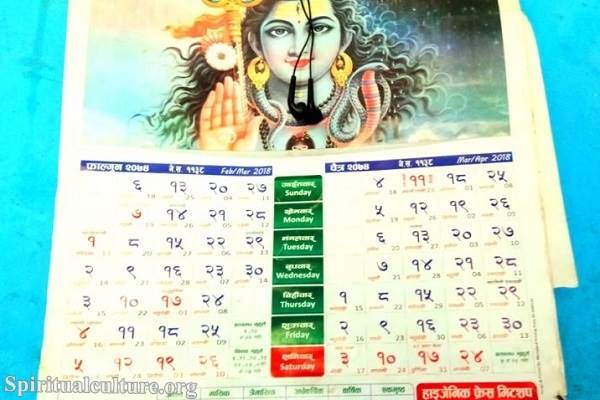
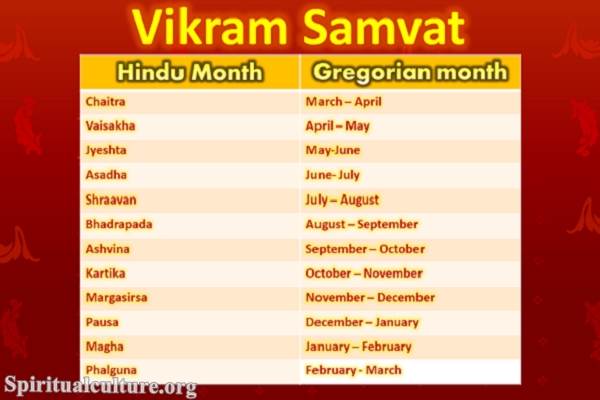
An era and several calendar forms
Vikram Samvat is an era used for dating years, while regional communities calculate months and New Year observances in different ways.
Some Indian forms are lunisolar, combining lunar months with adjustments to remain aligned with the solar year.
Nepal’s Bikram Sambat
Nepal uses Bikram Sambat as its official civil calendar. The Nepali version is solar in practical civil use and has month lengths that do not match the Gregorian calendar exactly.
Its year number runs roughly 56–57 years ahead of the Gregorian year, depending on the date.
Use in India
Vikram Samvat remains important in religious, festival, and regional calendrical traditions in parts of India. New Year dates can differ because communities begin months and years according to different systems.
Diwali, Chaitra observances, and other festival cycles may be connected with regional versions of the era.
Why spellings differ
Vikram Samvat, Vikrama Samvat, Bikram Sambat, and related spellings reflect Sanskrit forms and modern South Asian languages. They often refer to related calendrical traditions rather than wholly separate calendars.
This is why duplicate online articles under different spellings can be misleading.
A clear definition
Vikram Samvat is best understood as a historic South Asian era expressed through regional calendar systems, with Nepal’s official Bikram Sambat as a major modern form.