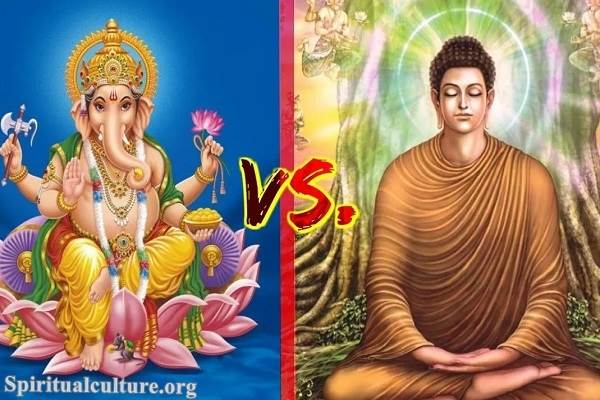
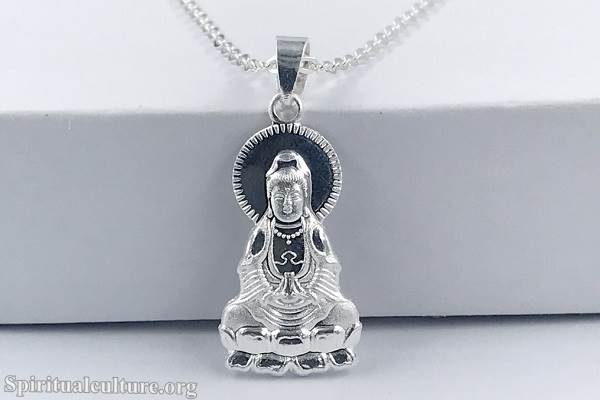
Wearing a Buddha image can express devotion, remembrance, cultural identity, admiration, protection, fashion, or interest in Buddhism. Its meaning depends on the wearer and the Buddhist culture in which the image is seen. There is no single worldwide Buddhist rule governing every pendant, bracelet, image, or tattoo.
Devotional meaning
For some Buddhists, an image of the Buddha is a reminder of awakening, ethical conduct, meditation, and the Dharma. A pendant may encourage mindfulness in daily life in the same way that a home image can support recollection and respect.
The image is not usually understood as containing a creator god. It represents the Buddha and the qualities associated with awakening.
Amulets and protective traditions
In Thailand and other parts of Southeast Asia, Buddhist amulets may be blessed and worn for protection, merit, or connection with a respected monk or temple. Such practices combine Buddhist devotion with local religious culture.
Other Buddhist communities place less emphasis on protective amulets.
Respect and cultural sensitivity
Because Buddha images are sacred to many people, placement matters. In several Buddhist cultures, placing a Buddha image on shoes, underwear, or in deliberately degrading locations is considered disrespectful.
Commercial use can also be controversial when sacred imagery is detached from its religious meaning.
What if the wearer is not Buddhist?
Non-Buddhists may wear Buddhist imagery, but respectful use means learning what the symbol represents and avoiding claims of religious authority or exotic stereotypes.
When visiting a Buddhist-majority country, local etiquette is especially important because attitudes toward sacred images may be stronger than in global fashion culture.
A useful principle
The object itself does not prove what a person believes. Meaning comes from intention, tradition, and context, while respect matters because the image represents a revered religious teacher.