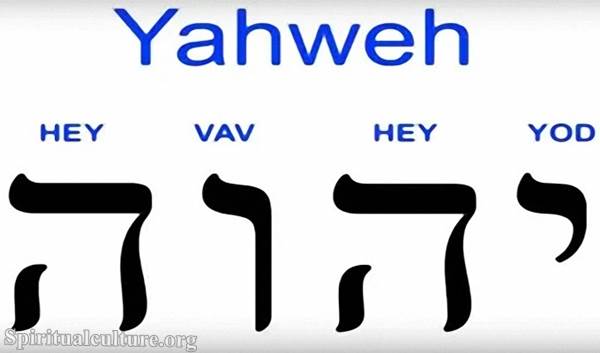
Jewish texts use several names and titles for God. The four-letter divine name YHWH, called the Tetragrammaton, is treated with special reverence and is traditionally not pronounced as written in Jewish reading and prayer; substitutes such as Adonai are used instead. Other important biblical forms include Elohim, El, and El Shaddai, each with its own textual and liturgical context.
The Hebrew name of God holds a significant place in Jewish tradition and faith. The Jewish God name is considered so holy and sacred that it is often avoided in casual conversations and instead, substituted with various titles and appellations.
Judaism
Judaism is one of the oldest monotheistic religions, dating back nearly 4,000 years. It is based on the teachings of the Torah, which Jews believe was given to them by God. The Torah provides the basis for Jewish law, ethics, philosophy, and spirituality. In Judaism, the name of God is more than a label. It expresses the nature of God as understood by the Jewish tradition.
The Tetragrammaton
One of the most important names of God in Judaism is the Tetragrammaton. This term refers to the four Hebrew letters YHWH (Yod, Heh, Vav, Heh). In Jewish reading and prayer, the name is traditionally not pronounced as written; substitutes such as Adonai are used instead. “Yahweh” is a common scholarly reconstruction, while “Jehovah” is a later form created from the consonants YHWH and vowel cues associated with Adonai. Instead, Jews use substitutes like Adonai (Lord) or HaShem (The Name).
The Elohim
Another Hebrew name of God in the Jewish tradition is Elohim. The name Elohim is used over 2,500 times in the Hebrew Bible. Interestingly, Elohim is a plural noun, though when it refers to the Jewish God, it takes singular verbs. This is seen by some as an indication of the magnitude of God’s power and greatness.
The Adonai
Adonai is another frequently used name for God in Judaism. This name is often used in prayer and liturgy and is considered a direct substitute for the unpronounceable Tetragrammaton. Adonai literally means “my Lords,” again a plural form, but always used in a singular context when referring to God.
The Ehyeh-Asher-Ehyeh
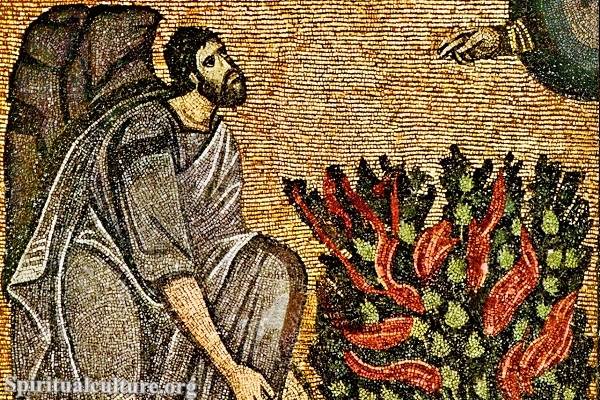
Ehyeh-Asher-Ehyeh is a unique name for God that appears in the Book of Exodus. It is often translated as “I Am That I Am,” suggesting God’s eternal nature. This name is associated with God’s self-revelation to Moses at the burning bush, where He commissions Moses to lead the Israelites out of Egyptian slavery.
The El Shaddai
El Shaddai, often translated as “God Almighty,” is another name for God in Judaism. This name is used primarily in the Book of Genesis and is associated with the patriarchs Abraham, Isaac, and Jacob. The name El Shaddai is believed to emphasize God’s might and power.
The Yahweh
Yahweh is a name often associated with the Jewish God. It is derived from the Tetragrammaton, YHWH, and is often used in academic and theological contexts. However, like the Tetragrammaton, it is not pronounced in Jewish practice.
Conclusion
The Hebrew name of God and the name of God in Judaism are much more than mere labels. They offer deep insights into the Jewish understanding of God’s nature, highlighting His eternal existence, His supreme power, and His intimate relationship with His people. The sacredness with which these names are treated underscores the deep reverence and awe that Jews hold for God. As we explore these names, we gain a deeper appreciation for the richness and depth of the Jewish tradition and faith.