Muslims regard the Qur’an as the revelation of God communicated in Arabic to the Prophet Muhammad through the angel Gabriel. It is recited in worship, memorized, studied, interpreted, and transmitted as sacred scripture. Spiritual Culture distinguishes the Arabic Qur’an from translations and explains how the text functions in Muslim religious life.
Revelation
Islamic tradition holds that revelation began with commands to read or recite, associated with the opening verses of Surah al-Alaq. Revelation continued over approximately twenty-three years of Muhammad’s prophetic ministry.
The Qur’an is organized into surahs and verses
The text contains 114 surahs of different lengths. Their present order is not simply chronological, so readers should not assume that page order follows the sequence of revelation.
Arabic has special status
Muslims understand the Qur’an in its Arabic form as the revealed text. Translations are indispensable for understanding across languages, but they are usually described as translations of the Qur’an’s meanings rather than replacements for the Arabic revelation.
Recitation is central
The Qur’an is heard as well as read. Rules and traditions of recitation shape pronunciation, rhythm, memorization, worship, and education.
Memorization
A person who memorizes the entire Qur’an is commonly called a hafiz or hafiza. Memorization has been an important method of transmission across generations.
The Qur’an in daily prayer
Portions of the Qur’an, especially al-Fatiha, are recited in the five daily prayers. This gives scripture a liturgical role beyond private reading.
Tafsir
Tafsir is Qur’anic interpretation. Commentators use Arabic language, other Qur’anic passages, hadith, reports about context, theology, law, and scholarly methods. No single English translation can substitute for the whole interpretive tradition.
Meccan and Medinan contexts
Muslim scholarship distinguishes revelations associated with the Meccan and Medinan phases of Muhammad’s mission. Historical setting helps readers understand themes of monotheism, community formation, law, conflict, worship, and ethics.
The Qur’an and earlier revelation
The Qur’an speaks about the Torah, Psalms, Gospel, Abraham, Moses, Jesus, Mary, and other biblical figures while also presenting its own theological claims and narratives.
Physical respect for the mushaf
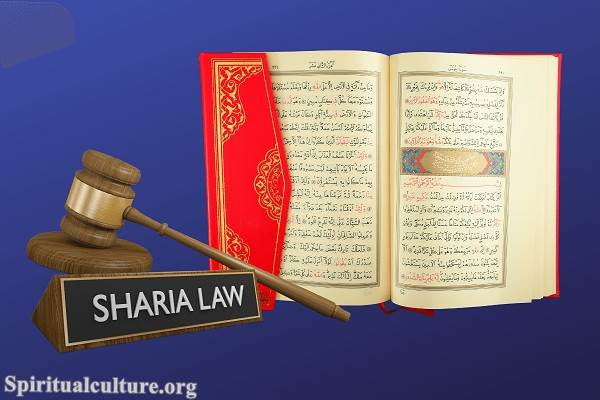
A printed Arabic copy is often called a mushaf. Muslim communities commonly handle it with respect, though local customs about purity, storage, and touching copies vary.
Interpretation requires context
Isolated verses can be misread when grammar, surrounding passages, historical circumstances, genre, and interpretive traditions are ignored.
Sources and interpretation
The Qur’an is simultaneously recited revelation, written scripture, liturgical text, object of memorization, source for theology and law, and center of devotional life. Reducing it to a “Muslim Bible” hides important differences.