Yes. Lay Buddhists can marry, have children, and build family lives. Buddhism does not teach that parenthood is forbidden. The important distinction is between lay practice, where family responsibilities are normal, and monastic practice, where full ordination involves celibacy and renunciation of ordinary household life.
Family life in Buddhist teaching
Early Buddhist texts include advice for parents, children, spouses, employers, workers, teachers, and friends. This shows that Buddhism developed practical ethics for householders rather than expecting everyone to become a monk or nun.
Parents are traditionally encouraged to care for children, educate them, introduce them to ethical conduct, and help them become capable adults.
Having children is not a religious duty
Buddhism also does not require every layperson to become a parent. A person may remain single, marry without children, or choose a different household life.
Views about fertility and family size are shaped by health, economics, law, and culture as well as religious values.
Parenting as practice
Family life can become a field for patience, generosity, compassion, and responsibility. Parents may introduce children to temple life, festivals, precepts, meditation, chanting, or acts of generosity.
At the same time, Buddhist ethics does not idealize family attachment without qualification. Practice includes learning to love without possessiveness and to accept impermanence.
Monastics and children
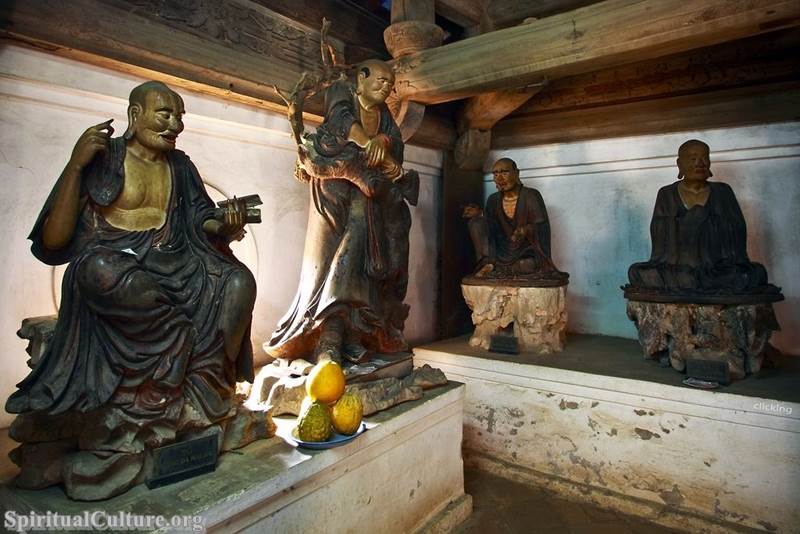
Fully ordained monks and nuns are celibate. They do not normally begin new sexual partnerships or families while maintaining full vows.
People who already have children before ordination must address their responsibilities according to local law, family circumstances, and monastic rules.
Short answer
Buddhist laypeople may have children. Parenthood is neither prohibited nor required; it is one form of lay life in which Buddhist ethical practice can be expressed.