Japanese cultural traditions are often ranked as though they belong to one enduring national system. In practice, they developed through Shinto, Buddhism, court culture, warrior society, craft lineages, local communities, modern institutions, and seasonal life. Spiritual Culture presents ten living traditions without claiming a hierarchy.
1. Shinto shrine practice
Purification, offerings, prayer, shrine festivals, amulets, and visits at life transitions remain important parts of Shinto practice. Customs vary by shrine and region.
2. Buddhist memorial and temple practice
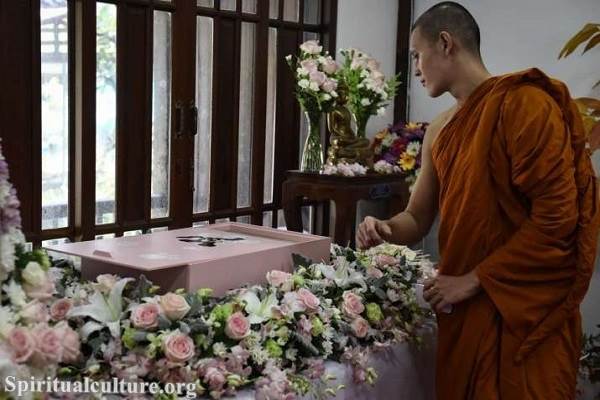
Japanese Buddhism includes funerals, memorial rites, temple visits, Obon, monastic traditions, meditation, Pure Land devotion, and many sectarian forms.
3. Tea practice (chanoyu / sadō)
The tea tradition combines hospitality, disciplined movement, material culture, architecture, seasonality, and aesthetic ideals. Zen influence is important historically but should not be used to explain every tea school in the same way.
4. Ikebana
Flower arrangement developed through religious offering, court and temple culture, and later formal schools. Contemporary practice ranges from traditional forms to experimental art.
5. Japanese gardens
Temple gardens, shrine landscapes, strolling gardens, dry landscapes, and residential gardens reflect different historical purposes. Not every Japanese garden is a “Zen garden.”
6. Kimono and dress traditions
Kimono practice involves textile knowledge, seasonal motifs, family inheritance, ceremony, and changing social customs. Formality and meaning depend on context.
7. Washoku and seasonal foodways
UNESCO describes washoku as a set of social practices linked with food, respect for nature, and New Year celebration rather than simply a list of dishes.
8. Calligraphy (shodō)
Calligraphy combines literacy, disciplined brush practice, aesthetics, education, and religious use in Buddhist and Shinto contexts.
9. Pilgrimage traditions
Routes such as the Shikoku pilgrimage and Kumano Kodo connect sacred geography, walking, hospitality, temples, shrines, and personal devotion.
10. Seasonal customs
Hanami, moon viewing, New Year visits, Setsubun, and other customs structure time through nature, family, religion, and community.
Practice and interpretation
Japanese living heritage is plural. A custom may be religious in one setting, aesthetic or social in another, and many people participate without defining the practice through exclusive religious identity.