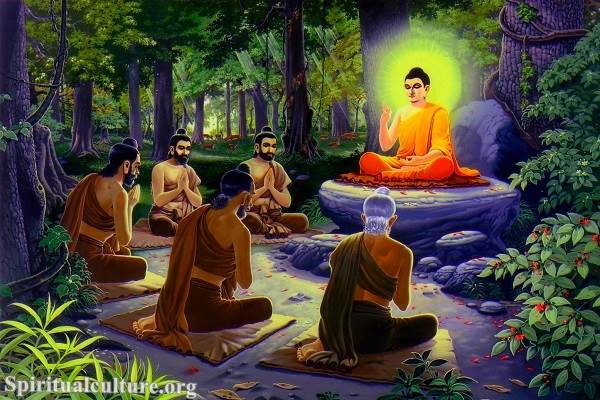
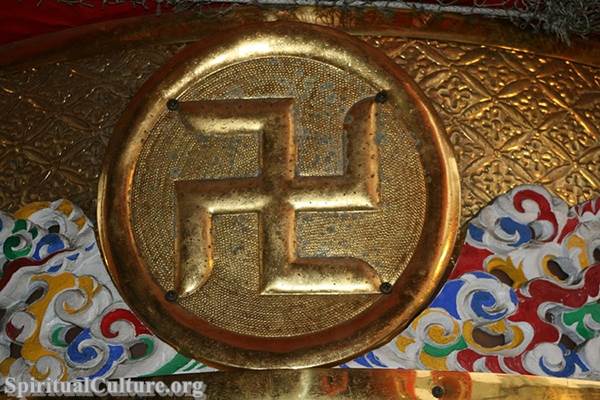
Buddhism does not teach that life is simply miserable. Its first major diagnosis is dukkha, a term that includes obvious suffering but also stress, instability, dissatisfaction, and the inability of changing things to provide permanent security.
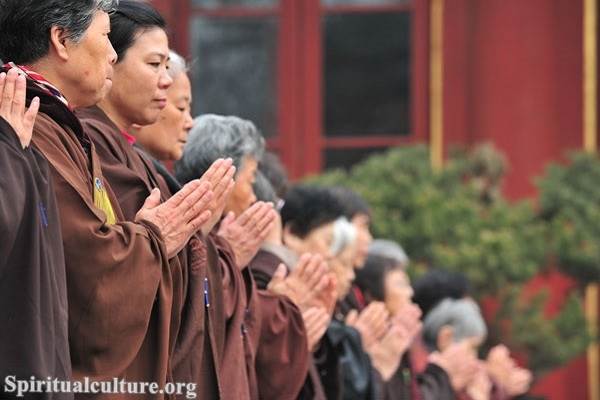
What dukkha means
Dukkha includes pain, sickness, aging, grief, and death. It also includes the subtler frustration that appears when pleasant experiences change or when people cling to identities and conditions that cannot remain fixed.
This is why translating dukkha only as “suffering” can sound more pessimistic than the Buddhist teaching intends.
The cause of dukkha
The Second Noble Truth connects dukkha with craving or thirst: grasping for pleasure, continued existence, nonexistence, identity, control, and certainty.
Craving operates together with ignorance—misunderstanding impermanence, non-self, and the conditioned nature of experience.
Can the problem end?
The Third Noble Truth states that cessation of dukkha is possible. Nirvāṇa refers to the ending of the greed, hatred, and delusion that sustain the cycle of suffering.
This makes Buddhism diagnostic rather than merely pessimistic: it identifies a problem because it also proposes release.
The path
The Fourth Noble Truth presents the Noble Eightfold Path: right view, intention, speech, action, livelihood, effort, mindfulness, and concentration.
Ethics, meditation, and wisdom work together. Buddhism does not reduce the solution to positive thinking or emotional calm.
Dukkha is broader than ordinary pain
Translations such as “suffering” are useful but incomplete because dukkha covers more than obvious physical or emotional pain. Buddhist teachings also point to the instability of pleasant experiences and to the deeper unsatisfactoriness of depending on changing conditions for lasting security. Even enjoyable experiences can become sources of dukkha when they are clung to as permanent, controllable, or capable of providing an unchanging self.
This is why Buddhism does not teach that life contains nothing good. Joy, friendship, generosity, beauty, and meditative peace are recognized, but none of them cancels the broader problem of impermanence and attachment.
Diagnosis and practice belong together
The Four Noble Truths are often compared to a diagnostic structure: dukkha is identified, its arising is examined, cessation is affirmed as possible, and a path of practice is taught. The second truth focuses especially on craving, while Buddhist traditions also analyze ignorance, aversion, habits, and karmic conditioning.
The practical response includes ethical conduct, meditation, wisdom, generosity, and the gradual weakening of grasping. Different Buddhist schools explain the path in different philosophical language, but they share the idea that the problem of life is not solved merely by changing external circumstances; the way experience is understood and clung to must also change.
The central insight
The “problem of life” in Buddhism is not existence itself but clinging to impermanent conditions under the influence of craving and ignorance. Practice aims at freedom from that pattern.