
How to Live as a Buddhist in Modern Society
Live mindfully, practice compassion, and follow the Noble Eightfold Path—bringing inner peace into daily modern life.

Live mindfully, practice compassion, and follow the Noble Eightfold Path—bringing inner peace into daily modern life.
The last time Daniel Brennan stood at the top floor of the tower that bore his name, the sun was setting in gold behind the glass skyline. Below, the city moved like clockwork—cars inching forward in lanes, people hurrying past cafés, life unfolding in its usual hum. Inside, however, the stillness was heavy. He was […]
The "Six Articles of Faith" is a set of ethical guidelines on Islamic moral codes, which are considered the foundation of Islamic ethics.
A sacred gathering place where prayer, study, and belonging intertwine to nourish Jewish faith and community.
In Buddhism, rebirth isn’t a soul’s journey but a core teaching tied to non-self and suffering, shaping how millions seek freedom today.
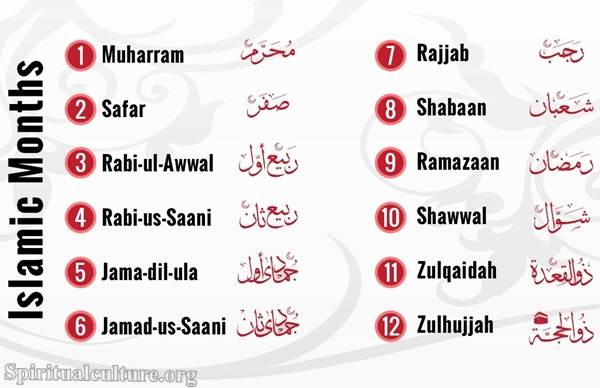
The Islamic calendar consists of 12 lunar months, which are based on the cycles of the moon.
The Russian Orthodox Church is a living expression of ancient faith, inviting us into a deep, authentic relationship with Jesus Christ.
Unpacks key differences in Theravāda and Mahāyāna to show Buddhism’s depth—both guide you toward awakening in unique ways.
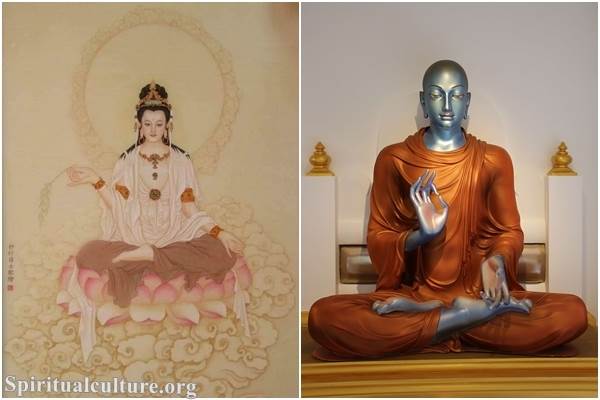
Bodhisattva and Arhat are both concepts in Buddhism, but they have distinct differences.
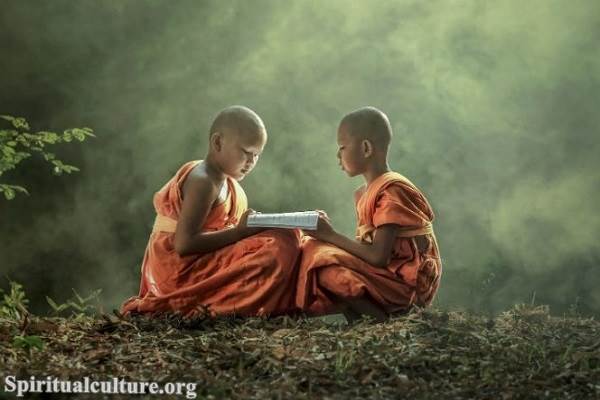
Buddhists have several texts that are considered sacred and are studied and revered within the tradition. These are holy texts.
Embrace selfless action—discover the profound spiritual freedom of Karma Yoga as taught in the Bhagavad Gita.
No one knows when Jesus is coming back, but believers are called to stay faithful and watchful for His glorious return.