
Eastern Orthodoxy: Beliefs, Divine Liturgy, Sacraments, Icons, Churches, and History
Learn about Eastern Orthodoxy, including its history, core beliefs, Divine Liturgy, sacraments, icons, and living spiritual traditions.

Learn about Eastern Orthodoxy, including its history, core beliefs, Divine Liturgy, sacraments, icons, and living spiritual traditions.
Compare Catholic and Baptist Christianity on authority, baptism, Eucharist, salvation, church structure, saints and worship fairly.
Learn about A Timeline of Church History: 33 AD to Today, including history and origins, legacy and influence, Christian interpretation.
Saint Alphonsus Liguori, also known as St. Alphonsus Liguori, holds an esteemed place in the annals of Catholicism in Catholic practice.
The Hamsa is an ancient and powerful symbol that has been used for centuries in various cultures around the world in Jewish practice.
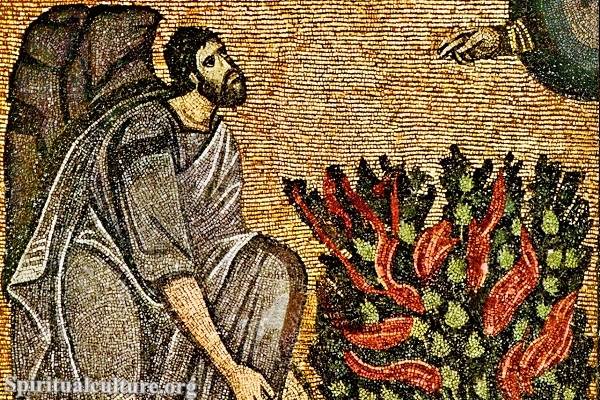
Learn about the significance and meanings of the Hebrew name of God in Judaism. Dive into the sacred traditions and interpretations.
Simplify your life through the Dharma by letting go of craving, living mindfully, and embracing contentment in the present moment.
Saved by grace through faith, Protestants embrace salvation as a gift freely given and assurance as a living confidence in God's promises.
A sacred balance upheld by divine law — explore how Islam views justice as a reflection of God’s perfect order within Islamic belief.
Justification means God declares you righteous through Jesus—not by effort, but by grace—freeing you from guilt forever in Christianity.
Sola Scriptura calls believers to trust God’s Word as the final authority for knowing, obeying, and following Jesus faithfully in context.
Wisdom (Paññā) sees things as they are—guiding ethical action, ending ignorance, and leading the mind toward liberation in Buddhism.