
What Is Nirvana in Buddhism?
Nirvana in Buddhism is the ultimate freedom—liberation from suffering, craving, and the cycle of rebirth through profound inner peace.
Learn about Buddhism through the Buddha’s teachings, major traditions, sacred texts, meditation, monastic life, ethics, festivals, teachers, and communities worldwide.
Nirvana in Buddhism is the ultimate freedom—liberation from suffering, craving, and the cycle of rebirth through profound inner peace.
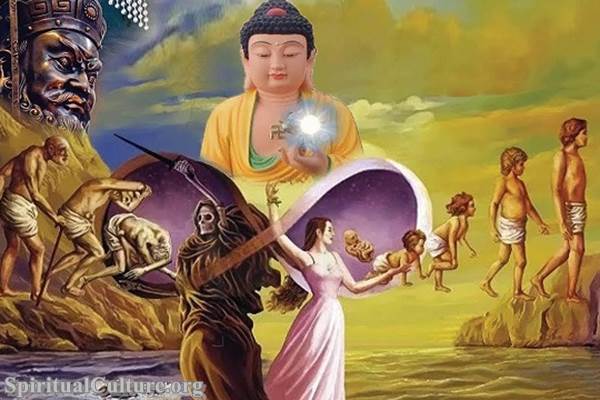
The ultimate goal in Buddhism is to achieve enlightenment and escape the cycle of reincarnation, which is seen as a cycle of suffering
The Dalai Lama’s "Ethics for the New Millennium" offers a secular guide to inner values like compassion and patience for a meaningful life.
Balance Buddhism and career by practicing mindfulness, ethical action, and compassion—bringing inner peace into your daily work life.
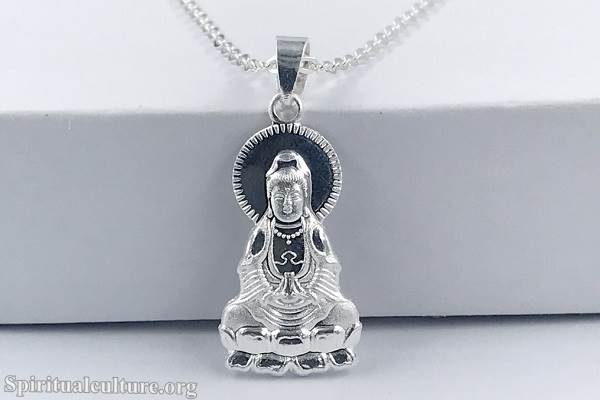
Learn what wearing a Buddha image can mean, why it may be devotional or cultural, and how Buddhist symbols can be worn respectfully.
The Ten Wholesome Actions guide body, speech, and mind toward peace, helping end suffering and cultivate a life of wisdom and compassion.
The Buddha taught that empathy and patience calm the mind, nurture compassion, and lead to true understanding of others in Buddhism.
Right Effort (Sammā Vāyāma) in Buddhism means using energy wisely—to nurture good, abandon harm, and walk the path with clarity and care.
A “right” life in Buddhism follows the Noble Eightfold Path—guided by wisdom, ethical conduct, and mindful intention for Buddhist practice.
Right Speech means speaking truthfully, kindly, and helpfully—words that foster harmony and reflect mindful awareness in Buddhist practice.
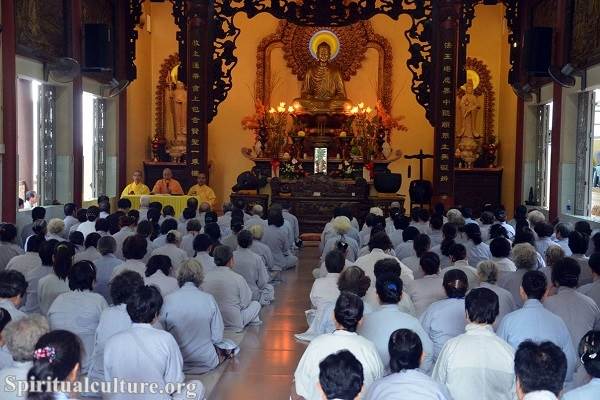
Buddhism blends religion and philosophy—offering ethical wisdom, inner peace, and a path to awakening beyond labels in Buddhist tradition.
Learn about the book Start Where You Are by Pema Chödrön, covering practical insights, strengths and limitations, relevance for readers.
All articles have been displayed.