
Nan-in’s Overflowing Teacup: A Modern Zen Teaching Story
Learn the origin of Nan-in’s overflowing teacup story, its modern Zen context, later retellings, and the teaching commonly drawn from it.
Learn about Buddhism through the Buddha’s teachings, major traditions, sacred texts, meditation, monastic life, ethics, festivals, teachers, and communities worldwide.
Learn the origin of Nan-in’s overflowing teacup story, its modern Zen context, later retellings, and the teaching commonly drawn from it.
Right Livelihood means earning a living ethically—avoiding harm and choosing work that supports compassion and well-being for all.
Right Speech on social media means posting with truth, kindness, and mindfulness—uplifting others with wise and respectful words in context.
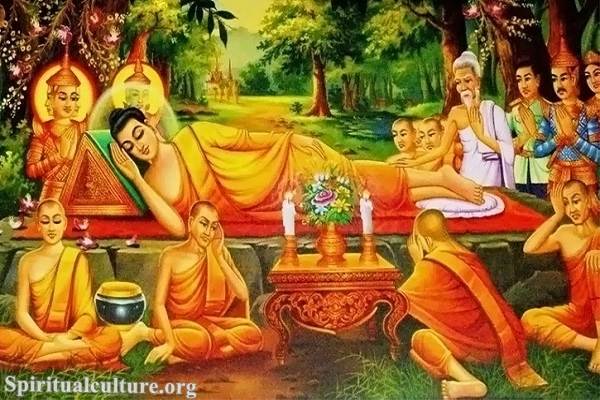
Learn what happened after the Buddha died at Kushinagar, including cremation, divided relics, and the early tradition of Buddhist stupas.
Buddhism teaches us to meet conflict with mindfulness and compassion, staying calm and responding wisely instead of reacting in anger.
Learn the Nandivisāla Jātaka story of the ox, its traditional source, themes of respectful speech, and the ethical lesson drawn from it.
Learn about Temple in Buddhism: A Sacred Space for Awakening, covering history and origins, practice and daily life, worship and ritual.
Learn about one sentence Buddhist teachings—short yet profound truths that stay with you and gently guide your daily life in religious life.
Learn about mindfulness of feelings, including practice and religious meaning, key teachings, meditation practice in Buddhist tradition.
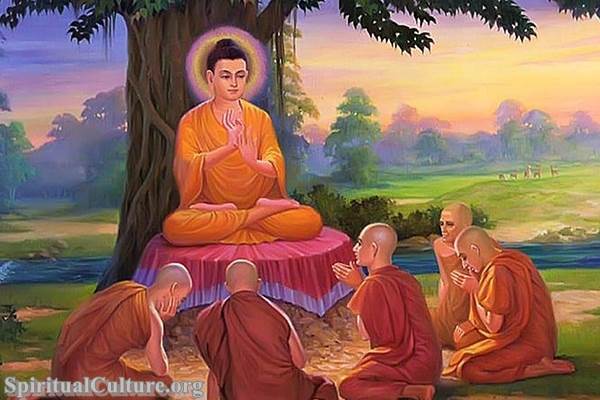
Buddhists believe in the Four Noble Truths, the path to end suffering, and awakening through mindfulness and compassion in context.
Samantabhadra, bodhisattva of action and vast vows, embodies awakened intention, guiding vision into compassionate, liberating action.
Kshitigarbha, bodhisattva of great vows, offers compassion and courage, guiding beings through suffering, death, and beyond in Buddhism.
All articles have been displayed.