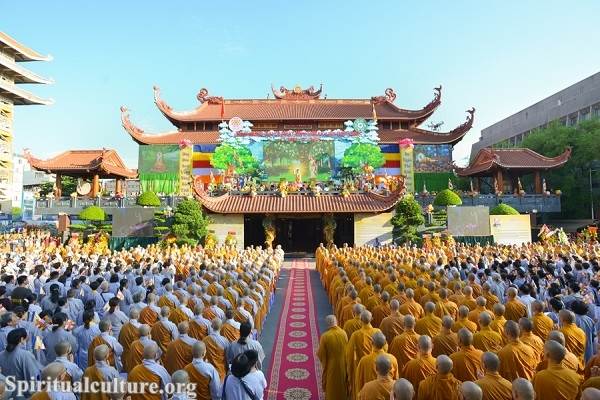
Yes, Buddhists bathe and practice ordinary personal hygiene. Buddhism does not teach that followers should avoid showers or cleanliness. Rules and customs concerning bathing vary by country, monastery, climate, and historical period, but cleanliness is generally compatible with Buddhist practice.
No Buddhist ban on showers
There is no general Buddhist precept that forbids showers, baths, washing, brushing teeth, or other forms of hygiene. Lay Buddhists normally follow the same practical standards of cleanliness as the societies in which they live.
Modern Buddhist monasteries may have showers or bathing facilities just like other residential communities. The details depend on local resources and monastic rules.
Why ancient monastic rules can sound different
Early Buddhist monastic texts developed in ancient South Asia, where bathing customs, water access, clothing, and public facilities differed greatly from modern life. Monastic codes include practical rules concerning bathing places, modesty, health, and relations with laypeople.
These rules are best understood as discipline for a particular religious community rather than evidence that Buddhism is opposed to hygiene. The underlying concerns often include modesty, simplicity, safety, and avoiding behavior considered luxurious or disruptive.
Cleanliness and simplicity
Buddhist practice often values simplicity and non-attachment. A monk or nun may avoid elaborate cosmetics, perfumes, or grooming intended for sensual display, depending on the monastic code and tradition. That does not mean neglecting the body.
The body is cared for as a condition for practice: it needs food, clothing, shelter, medicine, and reasonable hygiene. Buddhist teachings also repeatedly use bodily awareness as an object of mindfulness, encouraging practitioners to see the body clearly without either vanity or disgust.
Bathing in Buddhist cultures
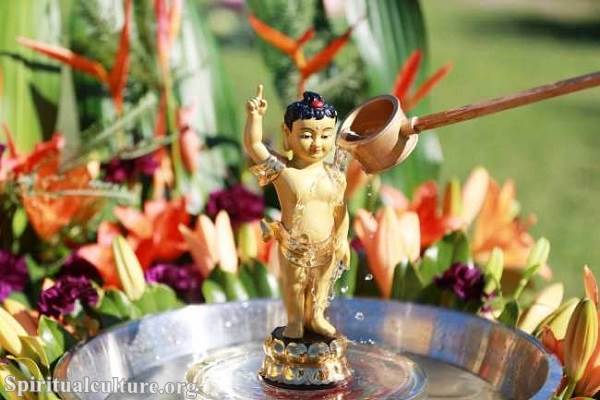
Cultural customs differ. In some Buddhist countries, bathing before visiting a temple or participating in a ceremony may be considered respectful. Certain festivals include ritual washing of Buddha images. In other settings, there may be no special connection between bathing and religious observance.
Visitors to temples are usually expected to be clean, modestly dressed, and respectful, but the exact etiquette varies.
The broader principle
Buddhism generally asks whether an action supports ethical conduct, mindfulness, moderation, and non-harming. Ordinary hygiene fits comfortably within those aims.
So the short answer is simple: Buddhists can and do shower. Any unusual bathing rule is more likely to come from a specific monastic discipline, cultural tradition, or local custom than from a universal Buddhist prohibition.