The best-known Hindu place of worship is the mandir or temple, but Hindu worship is not limited to temples. Many families maintain home shrines; rivers, mountains, trees, pilgrimage towns, roadside shrines, monasteries, and temporary festival spaces can also become sacred settings. The role of each place varies by deity, region, sect, family tradition, and form of ritual practice.
Hindus worship in temples, homes, pilgrimage sites, sacred landscapes, and temporary festival spaces. The English phrase “place of worship” can be too narrow because Hindu sacred practice is not confined to one weekly congregational building. Spiritual Culture therefore distinguishes several settings.
Mandir or Hindu temple
A mandir is a consecrated religious space associated with one or more deities and particular ritual traditions. Temples may range from small neighborhood shrines to major pilgrimage complexes.
The murti and divine presence
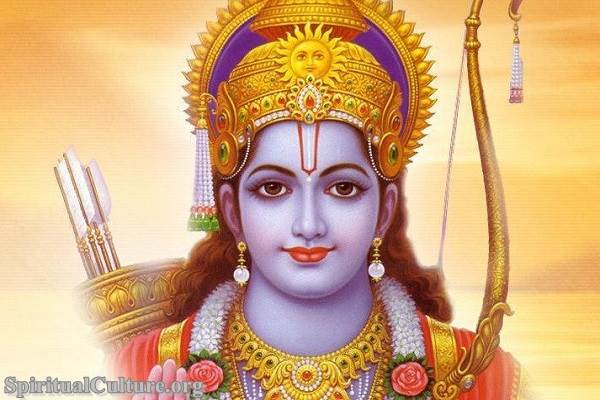
A temple is not simply a hall containing statues. In many traditions, a consecrated murti is approached as a locus of divine presence, and worship centers on darshan, offerings, ritual service, chanting, and festival processions.
Home shrines
Many Hindu households maintain a shrine or dedicated worship area. Daily puja, lamps, incense, food offerings, mantra, and prayer may take place at home, making the household a major setting of religious life.
Sacred rivers and water
The Ganges and other rivers are places of pilgrimage, bathing, prayer, cremation rites, offerings, festivals, and sacred geography. Water itself can be part of religious practice rather than merely the background to a temple.
Mountains and landscapes
Mount Kailash, Himalayan pilgrimage routes, sacred hills, forests, caves, and regional landscapes demonstrate that Hindu sacred space can be geographic rather than architectural.
Pilgrimage centers
Varanasi, Rameswaram, Tirupati, Puri, Haridwar, Ujjain, Mathura, Vrindavan, and many other centers combine temples, ritual specialists, bathing places, processions, festivals, and networks of hospitality.
Temporary sacred spaces
Festival pavilions, household altars, community halls, riverside installations, and processional routes may become temporary centers of worship during major observances.
Are temples like churches?
The comparison can help beginners but has limits. Many temples do not organize worship around one weekly sermon attended by a fixed congregation. Devotees may arrive throughout the day for darshan and ritual.
Temple practice differs by tradition
Vaishnava, Shaiva, Shakta, Swaminarayan, regional, and other traditions have distinct liturgies, architecture, sacred images, priestly systems, music, and festival cycles.
Diaspora mandirs
Hindu communities outside South Asia have built temples that also function as cultural, educational, language, youth, and community centers.
Respectful visiting
Visitors should follow local expectations concerning shoes, photography, dress, food, entry to inner sanctums, and behavior around worship. Practices are not identical at every temple.
Differences across traditions
The most accurate answer is that a Hindu temple is commonly called a mandir, but Hindu worship also takes place at home and across pilgrimage and sacred landscapes. No single building type contains the whole tradition.