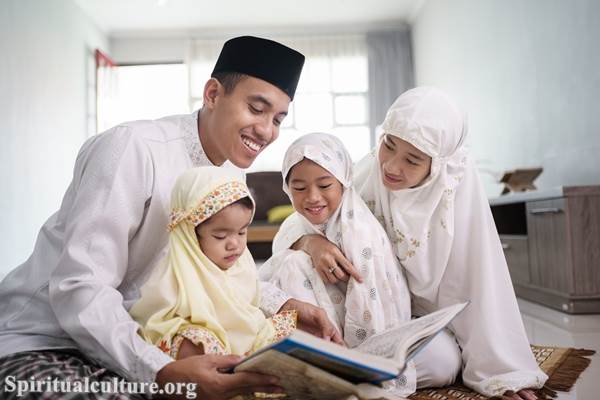
In Islam, the purpose of human life is centered on worshiping Allah, living in willing submission to God, and acting with moral responsibility. Worship is broader than ritual: it includes prayer, ethical conduct, service, repentance, and the way a person uses everyday life.

Worship of the one God
The Qur’an presents human beings as created to worship God. Islamic monotheism, or tawḥīd, places Allah at the center of religious life and rejects worship of created beings.
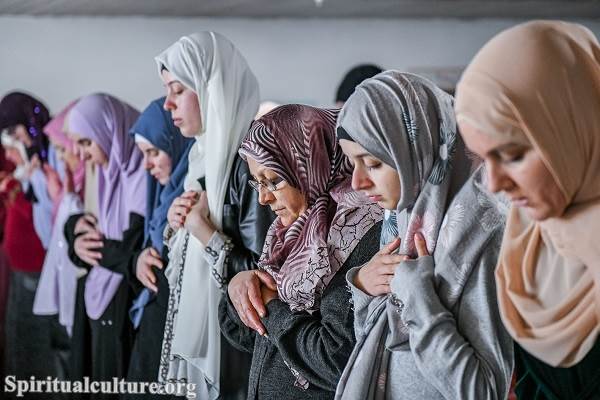
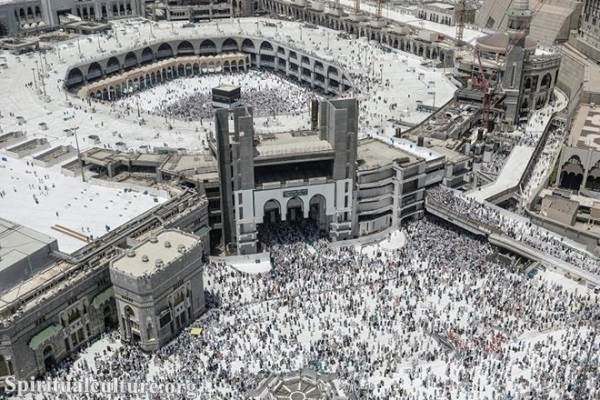
Formal worship includes the daily prayers, fasting in Ramadan, charity, pilgrimage for those able to perform it, and the profession of faith.
Life as moral responsibility
Islam teaches that human choices matter. Honesty, justice, compassion, family obligations, care for neighbors, and avoidance of oppression are part of religious responsibility.
Intentions also matter. A lawful everyday act can carry religious value when performed with a good intention.
Repentance and mercy
Human beings are not expected to be morally flawless. The Qur’an repeatedly calls people to repentance and describes God as merciful and forgiving.
Islamic spiritual life therefore includes both accountability for wrongdoing and hope in divine mercy.
The life to come
Islam teaches resurrection and judgment. Earthly life is temporary and morally significant because people ultimately answer to God.
This gives ordinary choices a larger horizon: worship and ethics prepare the believer for meeting God rather than serving only short-term success.
Worship includes ordinary life
Islamic teaching does not restrict worship to the mosque. The Arabic concept of ʿibādah can include formal acts such as prayer, fasting, almsgiving, and pilgrimage, but ordinary actions can also acquire religious meaning when they are lawful and undertaken with a sincere intention. Earning a living honestly, caring for family, seeking knowledge, helping a neighbor, and fulfilling promises can therefore belong to a life of worship.
This broader understanding connects belief with ethics. A person cannot reduce religious purpose to ritual performance while ignoring injustice, dishonesty, cruelty, or responsibilities toward other people.
Human beings as servants and stewards
The Qur’an describes human beings in relation to God through several themes, including servanthood, moral accountability, and stewardship on earth. Muslim scholars have interpreted stewardship in different ways, but it commonly emphasizes responsibility rather than absolute ownership: human power, wealth, knowledge, and natural resources are trusts for which people are answerable.
Islamic traditions also place human purpose within a communal setting. Worship includes duties toward parents, relatives, the poor, travelers, neighbors, and society. The final goal remains directed toward God, but the path is lived through concrete moral relationships in this world.
A concise summary
Islam understands human purpose as knowing and worshiping Allah, living justly and responsibly, and preparing for the final return to God.