Yes. Shia Muslims believe in the Qur’an as God’s revelation to the Prophet Muhammad and use the same 114-surah Arabic Qur’an used by Sunni Muslims. Claims that mainstream Twelver Shia use a different secret Qur’an are inaccurate.
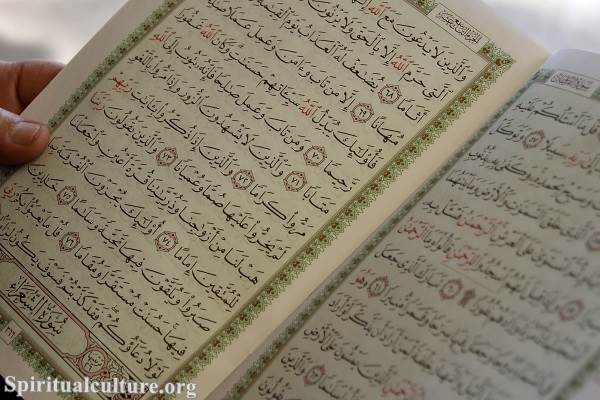
The Qur’an is foundational in Shia Islam
Shia prayer, law, theology, ethics, and devotional life rely on the Qur’an. Shia mosques print, recite, memorize, and study the same Qur’anic text found throughout the Muslim world.
Major Twelver Shia scholars reject the claim that the standard Qur’an is missing chapters or has been replaced by another book.
Why the misconception exists
Historical Muslim literature contains reports and debates about compilation, recitation, and interpretation. Polemical writers have sometimes taken disputed reports and presented them as the official belief of an entire community.
Shia scholars distinguish between the Qur’anic text and explanations or commentary attributed to Imam Ali and later Imams.
Where Sunni and Shia interpretation differs
Sunni and Shia Muslims can interpret particular verses differently, especially passages connected with religious authority, the Prophet’s family, and the history of the early Muslim community.
Different interpretation does not mean a different Qur’an.
Recitation traditions
The Muslim world has recognized canonical reading traditions, or qirāʾāt, involving transmitted differences in recitation. These are not equivalent to Sunni and Shia possessing separate scriptures.
Printed Qur’ans used by Shia communities generally follow the same widely used Arabic text as those used by Sunnis.
Shia Qur’anic interpretation
Twelver Shia scholars read the Qur’an through Arabic language, transmitted reports, theology, law, and teachings associated with the Prophet’s family, especially the Imams. This can produce interpretive emphases that differ from Sunni commentaries, particularly on questions of authority and the early Muslim community.
Those differences belong to tafsir, or interpretation. They do not imply a separate set of 114 surahs. Historical polemics sometimes quote unusual or disputed reports from one side as though they represented all scholars, which is why broad claims about a “Shia Qur’an” require careful sourcing.
Hadith collections are a separate issue
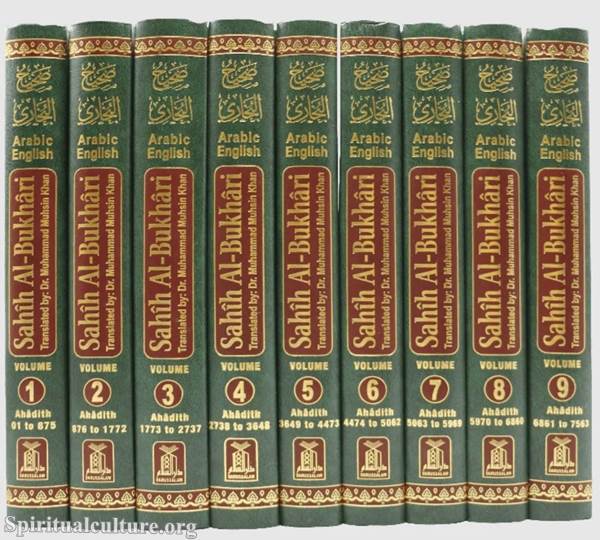
Sunni and Twelver Shia traditions do use different major hadith collections and evaluate chains of transmitters through different scholarly frameworks. This difference can strongly affect law, theology, ritual, and the interpretation of Qur’anic passages.
Confusing hadith collections with the Qur’an is one source of misinformation. A community can share the same Qur’anic text while preserving different bodies of hadith and different understandings of religious authority.
Bottom line
Shia Muslims believe in and recite the Qur’an. Major Sunni–Shia differences concern authority, hadith, law, theology, and interpretation—not possession of a different sacred book.