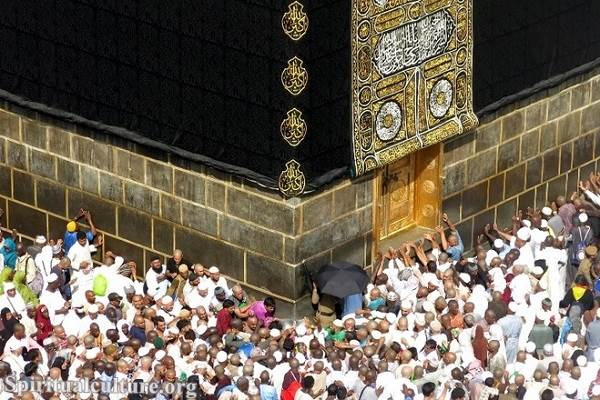
Islam does not teach that Allah came from somewhere, was born, or was created. Allah is the Arabic word used for God, and Islamic theology describes God as eternal, uncreated, self-sufficient, and the Creator of everything else. Spiritual Culture explains the question through tawhid and Qur’anic teaching.
Surah al-Ikhlas
Qur’an 112 describes God as One and self-sufficient, neither begetting nor begotten, with nothing comparable to Him.
Creator rather than created
Islamic theology understands creation as dependent on God. Asking “who created Allah?” applies a category belonging to created things to the uncreated Creator.
No divine birth
Islam rejects the idea that God comes into existence through parents, generation, or a prior deity.
Ayat al-Kursi
Qur’an 2:255 describes God as the Ever-Living and Sustainer, untouched by sleep and encompassing the heavens and earth in knowledge.
Allah is an Arabic word for God
Arabic-speaking Christians also use the word Allah. The Islamic claim is theological: Allah is the one God, not a regional deity invented by Islam.
Tawhid
Tawhid affirms divine unity. God has no equal, partner, independent rival, or component that divides the divine being.
Names and attributes
Muslim theology speaks of divine names such as the Living, Knowing, Merciful, Creator, and Sustainer while insisting that these refer to the one God.
Later theological debate
Muslim theologians and philosophers debated eternity, causation, attributes, and creation, but mainstream schools do not place God inside a chain of created causes.
Eternity and divine dependence
Classical Muslim theology treats dependence as a characteristic of created beings. God’s eternity therefore means more than existing for a very long time: Allah does not receive existence from another cause and is not sustained by a prior being.
Historical context
The concise Islamic answer is that Allah has no origin or creator. God is understood as eternal and uncreated, while everything created depends ultimately on God. This distinction is central to Islamic monotheism and worship.