Asking for the “most important things in Islam” can produce an arbitrary list unless the categories are clear. Islamic teaching distinguishes foundational acts of Islam, articles of faith, moral virtues, and the broader goal of worshipping God. Spiritual Culture therefore organizes the answer around widely recognized structures rather than ranking isolated beliefs.
Tawhid
The oneness of God is foundational. Muslim worship, prayer, ethics, repentance, and hope are directed toward Allah alone.
The Shahada
The testimony that there is no deity worthy of worship except Allah and that Muhammad is His messenger provides the basic profession of Muslim faith.
Prayer
Five daily prayers structure Muslim time around remembrance, recitation, bodily worship, and direct devotion to God.
Zakat
Obligatory almsgiving connects worship with social responsibility. Detailed rates and eligible categories belong to Islamic jurisprudence and vary by the type of wealth involved.
Fasting Ramadan
Fasting from dawn to sunset during Ramadan joins bodily discipline with worship, patience, repentance, generosity, and heightened Qur’anic devotion.
Hajj
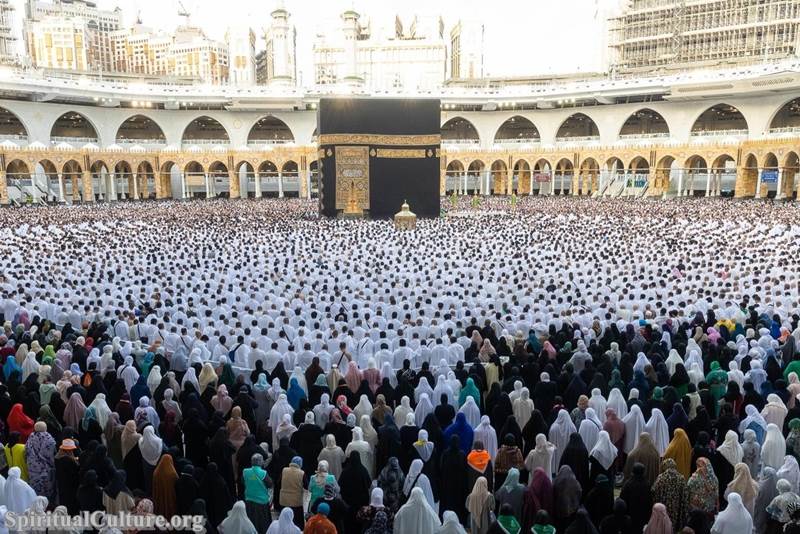
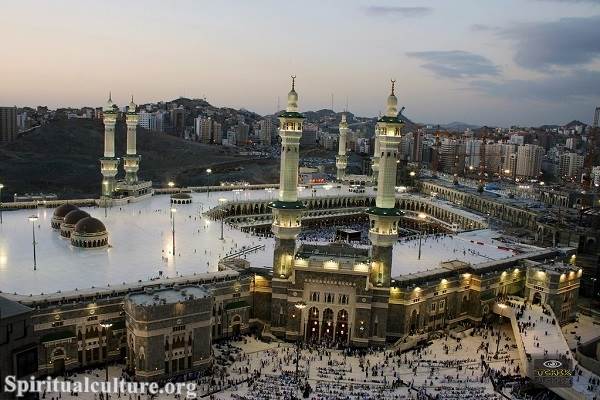
Pilgrimage to Makkah is required once in a lifetime for Muslims who meet the conditions of ability. It brings together ritual, memory of Abrahamic tradition, equality, sacrifice, and global community.
Six articles of faith
A widely taught Sunni framework includes belief in God, angels, revealed books, prophets, the Last Day, and divine decree. Theological schools discuss details differently.
Qur’an and Prophetic guidance
The Qur’an is Islam’s central revelation, while hadith and Sunnah preserve reports about Muhammad’s teaching and example and play major roles in law, ethics, and devotion.
Mercy, justice, and good character
The pillars are not a substitute for ethics. Muslim traditions emphasize honesty, compassion, family responsibility, care for neighbors and the poor, forgiveness, justice, and restraint.
Repentance
Islamic spirituality repeatedly returns to repentance and divine mercy. Religious life is not based on the assumption that believers never fail.
Intention
The moral and devotional value of action is closely connected with intention. Outward religious performance without sincerity is a recurring concern in Islamic teaching.
Diversity within Islam
Sunni, Shia, Ibadi, Sufi, legal-school, theological, and regional traditions organize some doctrines and practices differently while sharing major foundations.
Context and interpretation
The strongest beginner summary is not a Top 10 but a structure: tawhid, faith, the Five Pillars, scripture and Prophetic guidance, ethical character, repentance, and responsibility before God.