Hinduism has no single historical founder comparable to the Buddha, Jesus, Muhammad, or Guru Nanak. What English speakers call Hinduism developed over a long period in South Asia from many ritual, philosophical, devotional, regional, and textual traditions. Spiritual Culture therefore explains origins as a history of development rather than a founder biography.
No single founder
Hindu educational resources commonly emphasize that Hinduism did not begin with one person, one founding date, or one conversion event. Its sacred traditions grew through many teachers, communities, texts, and regional practices.
The Vedas are foundational
The Vedas are among the oldest sacred texts associated with Hindu traditions. They preserve hymns, ritual materials, and religious ideas transmitted orally for generations.
The Upanishads expanded philosophical reflection
Later Vedic and Upanishadic traditions explored questions about ultimate reality, self, knowledge, ritual, rebirth, and liberation. These texts became foundational for later Hindu philosophical schools.
Epics and Puranas shaped popular religious worlds
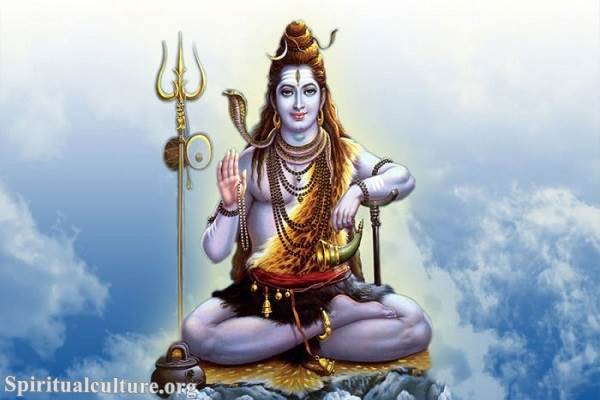
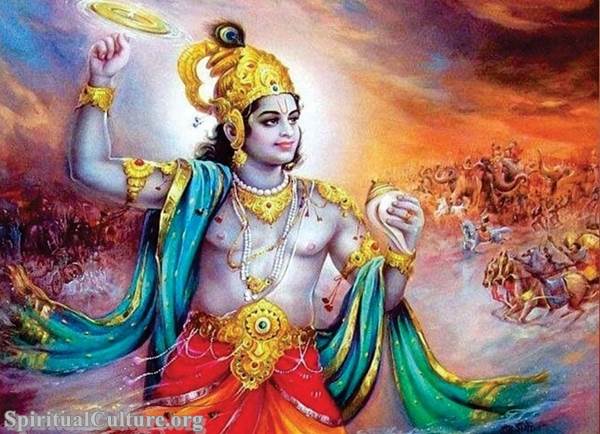
The Mahabharata, Ramayana, Bhagavad Gita, and Puranic traditions developed narratives, ethics, pilgrimage, theology, and devotion centered on figures such as Krishna, Rama, Shiva, and the Goddess.
Many teachers founded schools, not Hinduism itself
Shankara, Ramanuja, Madhva, Vallabha, Chaitanya, and many other teachers established or shaped particular philosophical and devotional traditions. None is the founder of Hinduism as a whole.
Temple traditions developed regionally
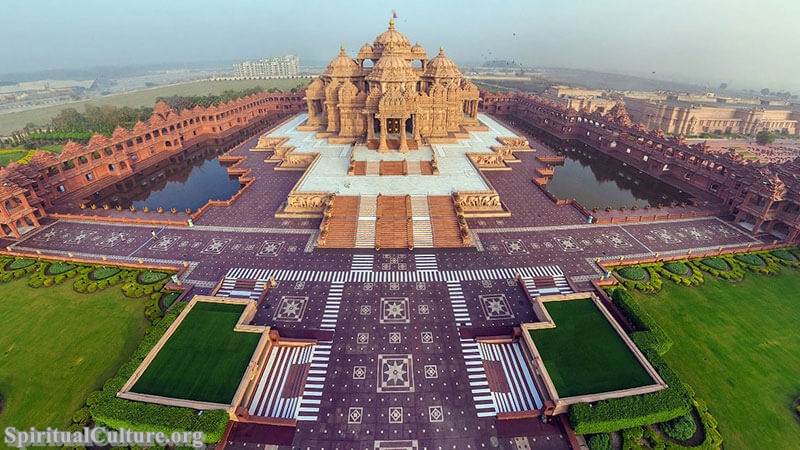
Shaiva, Vaishnava, Shakta, Smarta, village deity, pilgrimage, and temple traditions evolved through different languages, dynasties, priestly networks, saints, poets, and local communities.
The word Hindu has a history
The term developed from geographical and cultural labels associated with the Indus region and later became a broad religious identifier. “Sanatana Dharma” is also used by many Hindus as a self-description.
Colonial classification changed the modern category
European scholarship, census systems, reform movements, print culture, nationalism, and global migration helped shape modern ideas of Hinduism as one world religion.
Unity does not erase diversity
Hindu traditions share concepts and texts while disagreeing about God, self, liberation, ritual authority, caste, scripture, and the best spiritual path.
Why the founder question can mislead
Asking for one founder assumes every religion began through the same historical model. Hinduism is better understood as a family of traditions with deep, layered roots.
Differences across traditions
The concise answer is that Hinduism has no single founder. Its historical development spans ancient Vedic religion, philosophical schools, devotional movements, temple traditions, and continuing regional practice.