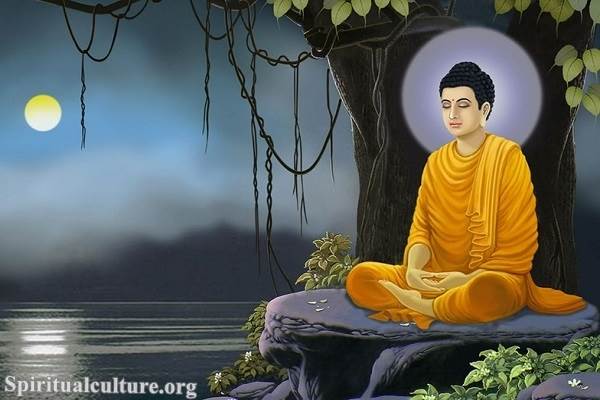
Dukkha is a central Buddhist term often translated as “suffering,” but its meaning is broader. It can refer to obvious pain, the instability of pleasant experiences, and the deeper unsatisfactoriness of depending on things that are impermanent and not fully under our control.
Dukkha and the Four Noble Truths
The First Noble Truth identifies dukkha as a basic feature of conditioned existence. Buddhist teaching does not say that every moment of life is painful. Rather, even enjoyable experiences cannot provide permanent security because bodies, feelings, relationships, possessions, and circumstances change.
The Second Noble Truth connects the arising of dukkha with craving and attachment. The Third teaches the possibility of its cessation, called nirodha. The Fourth presents the Noble Eightfold Path as the way of practice leading toward that cessation.
Three common explanations of dukkha
Buddhist traditions often explain dukkha in three broad forms:
- Dukkha-dukkha: ordinary physical and mental pain, including illness, grief, injury, and distress.
- Viparinama-dukkha: dissatisfaction caused by change, especially when pleasant conditions end.
- Sankhara-dukkha: the subtle instability of conditioned existence itself, because experiences arise through changing causes and conditions.
Dukkha is not the same as pessimism
The teaching of dukkha is diagnostic rather than a claim that life has no value. Buddhist teachings pair the recognition of dukkha with a path intended to reduce craving, ignorance, and harmful conduct. Ethical discipline, meditation, and wisdom are therefore part of the response to dukkha.
Dukkha, impermanence, and not-self
Dukkha is closely related to two other Buddhist characteristics of conditioned phenomena: impermanence (anicca) and not-self (anatta). Because conditions change and cannot be possessed as a permanent self, clinging to them can lead to frustration and distress.
Why the concept matters
Understanding dukkha helps explain the structure of Buddhist practice. The goal is not simply to feel better in difficult moments, but to understand the causes of dissatisfaction and cultivate a way of life that weakens those causes. Different Buddhist traditions explain the details differently, but the relationship between dukkha, craving, practice, and liberation remains fundamental.