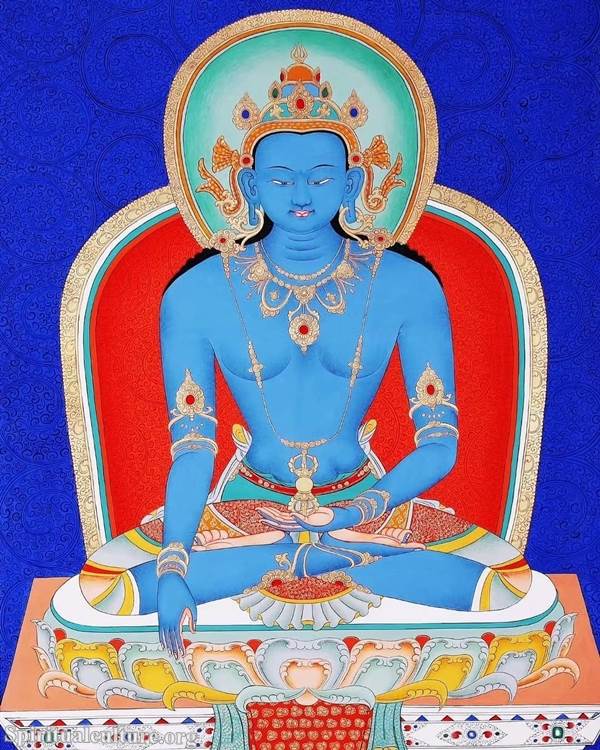
The Four Noble Truths summarize a central framework of Buddhist teaching: dukkha or unsatisfactoriness, its arising through craving and related causes, its cessation, and the path of practice leading toward that cessation. Buddhist traditions explain these truths in different philosophical and practical ways.
- The truth of suffering (Dukkha)
- The truth of the cause of suffering (Samudaya)
- The truth of the cessation of suffering (Nirodha)
- The truth of the path leading to the cessation (Magga)
“Just as the great ocean has one taste — the taste of salt — so too, this Dhamma has one taste — the taste of liberation.”
(Udāna 5.5)
The First Noble Truth: Dukkha — The Truth of Suffering
What does it really mean to suffer — and why does it matter that we see this clearly?
This is where the Buddha began. Not with metaphysical speculation or lofty ideals, but with a raw and universal human truth: suffering exists, and it touches every life. Whether we notice it as heartbreak or a subtle unease beneath daily routines, this insight lies at the very heart of the Four Noble Truths — the Buddha’s most essential and liberating teaching.
The Buddha didn’t offer the Four Noble Truths as a philosophy to debate, but as a mirror for self-understanding and a path to freedom. And the First Noble Truth — the truth of dukkha — is where that path begins.
What Is Dukkha?
The Pāli word dukkha is often translated as “suffering,” but that word alone doesn’t capture its depth. Dukkha refers not just to pain, but to the inherent unsatisfactoriness woven through ordinary life — even in pleasure, even in success.
It includes:
- Obvious suffering: physical pain, illness, aging, grief, death
- Emotional turmoil: anxiety, loneliness, disappointment
- Subtle discontent: restlessness, boredom, the sense that “something’s missing”
- The fleeting nature of joy: even happiness fades or brings fear of loss
- The instability of everything: jobs, bodies, relationships, identities — nothing lasts
This is the First Noble Truth: to see clearly that life, when clung to or misunderstood, cannot offer lasting fulfillment.
The Buddha’s Words on Dukkha
In his first teaching after enlightenment — the Dhammacakkappavattana Sutta — the Buddha introduced the Four Noble Truths by saying:
“Now this, monks, is the Noble Truth of Dukkha:
birth is dukkha, aging is dukkha, illness is dukkha, death is dukkha;
union with the unpleasant is dukkha; separation from the pleasant is dukkha;
not getting what one wants is dukkha.
In brief, the five aggregates subject to clinging are dukkha.”
(SN 56.11)
Dukkha and the Three Marks of Existence
Understanding dukkha also means understanding the three marks of existence:
- Anicca (impermanence): Everything changes — nothing lasts forever.
- Dukkha (unsatisfactoriness): Because things change, clinging to them brings suffering.
- Anattā (non-self): There is no fixed, permanent “self” to possess or control experience.
These are not ideas to memorize, but truths to observe in our daily lives. They help deepen our understanding of dukkha — and reveal why the Four Noble Truths are so essential.
The Second Noble Truth: Samudaya — The Origin of Suffering
If suffering exists, why does it arise?
This is the next step in the Buddha’s insight — and the second foundation of the Four Noble Truths. The First Noble Truth helps us recognize dukkha. The Second Noble Truth reveals its root cause.
And that cause, the Buddha taught, is craving — in Pāli, taṇhā.
The Buddha’s Words on the Origin of Suffering
In the same teaching where he laid out the Four Noble Truths, the Buddha said:
“Now this, monks, is the Noble Truth of the origin of dukkha:
it is this craving which leads to renewed existence,
accompanied by delight and lust, seeking delight here and there —
that is, craving for sensual pleasures, craving for existence, craving for extermination.”
(SN 56.11)
This is the engine of saṃsāra — the cycle of birth and death, hope and loss, struggle and disappointment. As long as craving fuels our actions, we remain bound to that cycle.
How Craving Shows Up in Daily Life
Craving can be loud or quiet. Sometimes it’s obvious: a sudden desire to eat, shop, or scroll through your phone. Other times, it hides beneath our thoughts and emotions — shaping how we judge, compare, or fear.
Here are some common ways craving shows up:
- Chasing pleasure: “I need this to be happy.”
- Resisting discomfort: “I can’t let this happen.”
- Seeking control: “If only things go my way…”
- Forming identity: “I am this role, this image, this success.”
Even spiritual goals can become a form of craving — when we attach to progress, peace, or the idea of being “enlightened.”
Recognizing this doesn’t mean we must live without desires. It means we begin to see which desires bind us — and which ones can be released.
Gentle Questions for Reflection
The Second Noble Truth encourages readers to become curious, not self-critical.
A useful question here is:
- What am I craving right now?
- Am I clinging to an outcome, an opinion, or a version of myself?
- What happens when I don’t get what I want — or when I fear losing what I have?
Each moment of awareness is a step away from automatic reaction — and a step toward the freedom promised by the Four Noble Truths.
The Third Noble Truth: Nirodha — The Cessation of Suffering
If craving causes suffering, then what happens when craving ends?
This is where hope enters the heart of the Four Noble Truths. The First Truth acknowledges suffering. The Second reveals its cause. Now, the Third Noble Truth offers something precious — the possibility of freedom.
The Buddha’s teaching was never about despair. It was always about liberation.
The Buddha’s Words on Cessation
In the Dhammacakkappavattana Sutta, after explaining dukkha and its cause, the Buddha said:
“Now this, monks, is the Noble Truth of the cessation of dukkha:
it is the remainderless fading away and cessation of that same craving,
the giving up and relinquishing of it, freedom from it, non-reliance on it.”
(SN 56.11)
This is not a theory. It is a direct experience. And the Buddha assured his followers that this freedom is accessible to all — here and now.
Nibbāna Is the End of Fire
The Buddha often described Nibbāna as a flame going out. Not in the sense of destruction — but in the sense of release. When the fuel of craving is gone, the fire of suffering naturally fades.
What is left?
- Peace that isn’t dependent on circumstances
- Joy not based on gain or praise
- Wisdom that sees things just as they are
This is the heart of the Four Noble Truths: not just seeing suffering, but realizing that it can truly end.
Letting Go Is Not Loss
Sometimes people fear that “letting go” means losing what they love. But true letting go is not about rejection — it’s about releasing the tight grip of craving.
You can still love. Still enjoy. Still engage with the world. But without being consumed by it. Without clinging or fear.
That is real freedom.
“Peace is born of letting go.
When we stop grasping, life flows naturally, like a river unblocked.”
(Inspired by Itivuttaka 49)
The Third Noble Truth makes the point: liberation is not only for saints or sages. It begins the moment we loosen the knot of craving.
It’s not distant. It’s not mystical.
It’s here — in awareness, in non-reactivity, in stillness.
The Fourth Noble Truth: Magga — The Path Leading to the Cessation of Suffering
If suffering has a cause — and if it can end — then the next question is: How do we walk that path of freedom?
This is the Fourth and final pillar of the Four Noble Truths: the truth of Magga, or the Noble Eightfold Path. It is the Buddha’s roadmap for awakening — not through blind belief or rituals, but through wise living, ethical conduct, and inner cultivation.
The Eightfold Path is not a theory. It is a practice. A way of being. A middle way between indulgence and self-denial. And it is open to anyone, regardless of background or belief.
What Is the Noble Eightfold Path?
The path consists of eight interconnected factors — not linear steps, but qualities we nurture together. Traditionally, they are grouped into three categories:
The Buddha’s Words on the Path
In his first discourse, the Buddha concluded the Four Noble Truths by declaring:
“Now this, monks, is the Noble Truth of the way leading to the cessation of dukkha:
it is this Noble Eightfold Path…”
(SN 56.11)
This path is practical, gradual, and transformative. It doesn’t demand perfection — only sincerity. It is not about retreating from life, but about living with awareness and wisdom in the midst of it.
Walking the Path in Daily Life
The Fourth Noble Truth is not just for monks or sages. It’s a guide for anyone who wants to live with more depth and freedom.
You can begin today:
- Speak with kindness and truth.
- Reflect before reacting.
- Sit quietly and observe your breath.
- Choose work that aligns with your values.
- Study the Four Noble Truths and reflect on how they apply to your day.
Each small action, done with awareness, becomes part of the path.
Living the Truth: Applying the Four Noble Truths Today
The Four Noble Truths are not just ancient wisdom. They are a mirror for our inner life — and a map for modern living. Their power lies not in abstract theory, but in direct experience.
No matter who you are, where you live, or what you believe, these truths offer a way to see more clearly, suffer less, and live more fully.
Here’s how we can begin to live the Four Noble Truths in daily life:
In Meditation
- Sit quietly. Observe the breath, the body, the mind.
- Watch thoughts and emotions arise — and pass.
- Let each moment teach you impermanence, craving, and release.
The Second and Third Noble Truths come alive in this space: we see craving — and we learn to let go.
In Relationships
- Speak with compassion, listen with presence.
- Notice when you’re reacting from fear, attachment, or pride.
- Ask: “Can I love without clinging? Can I disagree without harm?”
Relationships are where the Eightfold Path is tested — and refined.
On the Spiritual Path
- Study the Buddha’s words. Reflect on their meaning.
- Join a meditation group or read a Dhamma book.
- Set daily intentions rooted in wisdom, not ego.
The Fourth Noble Truth is not about belief — it’s about walking, step by step, with sincerity and curiosity.
“Be a lamp unto yourselves.
Be a refuge unto yourselves — with the Dhamma as your lamp and refuge.”
(DN 16 — Mahāparinibbāna Sutta)
The Four Noble Truths are your compass. Use them.