
The Sound of One Hand: Hakuin’s Famous Zen Kōan
Learn the origin of Hakuin’s “Sound of One Hand” kōan, its place in Rinzai Zen practice, historical context, interpretation, and influence.
Learn about Buddhism through the Buddha’s teachings, major traditions, sacred texts, meditation, monastic life, ethics, festivals, teachers, and communities worldwide.
Learn the origin of Hakuin’s “Sound of One Hand” kōan, its place in Rinzai Zen practice, historical context, interpretation, and influence.
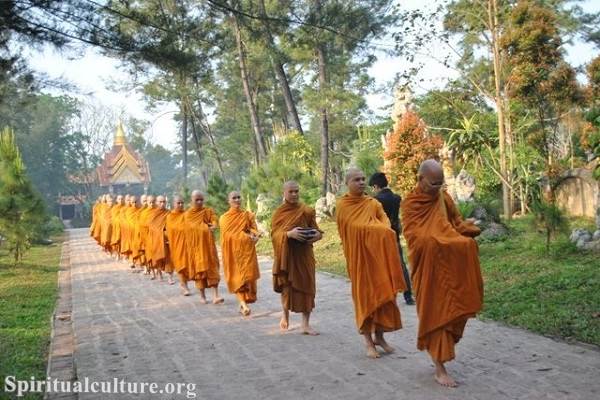
Learn why some Buddhist monks wear orange or saffron robes, how robe colors developed, and why maroon, brown, gray, and other colors appear.
Buddhist mindfulness helps break impulsive reactions by creating space to pause, choose wisely, and respond with clarity and compassion.
Learn about the Meaning of Uposatha Days in Buddhism, covering meaning and significance, core teachings, practice in Buddhist tradition.
The Threefold Training—ethics, concentration, and wisdom—guides the Buddhist path to inner peace and ultimate liberation in lived practice.
Learn the story of Aṅgulimāla in Majjhima Nikāya 86, its canonical source, themes of violence and transformation, and Buddhist meaning.
Enlightenment in Buddhism is awakening from inner ignorance to true freedom—a path the Buddha walked and all can follow today in context.
Food for the Heart shares Ajahn Chah’s direct, profound teachings on mindfulness, suffering, and freedom in Theravāda Buddhist practice.
Buddhist paradoxes stretch the mind and loosen fixed views, guiding us beyond logic into direct insight and deeper spiritual awakening.
The Buddha’s teachings endure because they offer timeless wisdom to understand the mind, face suffering, and live with compassion.

Learn what Buddhists may avoid eating, why vegetarian practice varies, how monastic food rules differ, and what the Five Precepts require.
Dāna, or generosity in Buddhism, is a heart-opening practice that begins the path to awakening through giving and letting go in context.
All articles have been displayed.