India is one of the world’s most religiously diverse countries and the birthplace of Hinduism, Buddhism, Jainism, and Sikhism, while also sustaining very large Muslim and Christian communities. Understanding India through religion and sacred heritage gives a clearer picture than treating culture only as food, tourism, or national symbols.

Religious traditions and everyday practice
Hindu traditions are internally diverse, with devotional, temple, philosophical, ascetic, and household forms. Islam has shaped Indian culture for more than a millennium, while Christianity has ancient roots in parts of the south. Sikh, Jain, Buddhist, Jewish, Zoroastrian, tribal, and other communities add further layers.
Sacred places and religious heritage
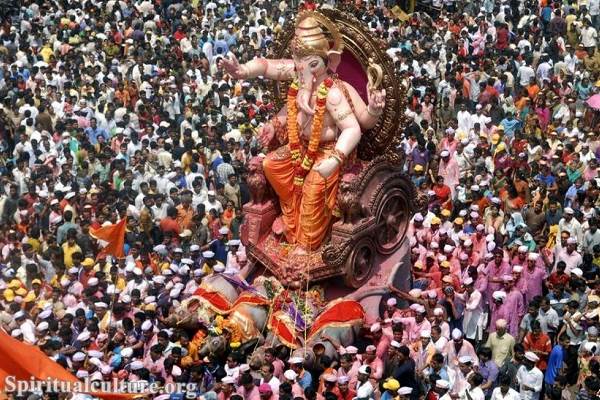
India’s sacred geography includes Varanasi, Bodh Gaya, Amritsar, Ajmer, major Hindu temple cities, Sufi shrines, churches, Jain pilgrimage mountains, Buddhist monasteries, and countless village sacred places. Rivers, mountains, forests, and pilgrimage routes can be as important as monumental buildings.
Festivals, rituals, and community life

Diwali, Holi, Eid, Christmas, Gurpurabs, Buddhist and Jain festivals, temple festivals, and regional observances structure the year. Rituals vary greatly by language, caste, region, sect, and family.
Living spiritual culture
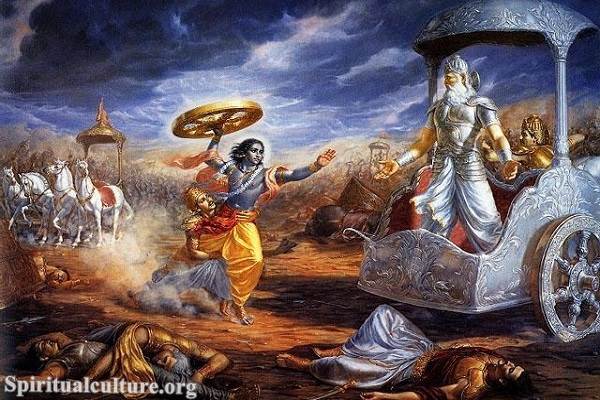
India’s spiritual culture cannot be summarized by a single majority tradition. It is a plural landscape of competing and overlapping sacred histories, pilgrimage networks, scriptures, ritual practices, and living communities.
Religious diversity in context
India contains an extraordinary range of religious communities and internal traditions. Hindu life includes Vaishnava, Shaiva, Shakta, Smarta, devotional, philosophical, temple, ascetic, and household forms. Islam includes Sunni, Shia, Sufi, and other traditions, while Sikhism, Jainism, Buddhism, Christianity, Zoroastrianism, Judaism, and many Indigenous or tribal traditions contribute their own institutions and sacred histories.
Language, caste, region, sect, and local custom can shape practice as strongly as a broad religious label. A temple tradition in Tamil Nadu, Sikh practice in Punjab, Sufi pilgrimage in Rajasthan, Buddhist life in Ladakh, and Christian worship in Kerala belong to different historical worlds within the same country.
Festivals, pilgrimage, and sacred memory
Diwali, Holi, Navaratri, Eid, Muharram, Gurpurabs, Paryushana, Buddha Jayanti, Christmas, and countless regional temple festivals create overlapping sacred calendars. Pilgrimage networks connect rivers, mountains, cities, shrines, monasteries, gurdwaras, mosques, churches, and Jain sacred sites across enormous distances.
Varanasi, Bodh Gaya, Amritsar, Ajmer, the Ganges, Himalayan pilgrimage routes, and many regional temple towns illustrate how sacred geography combines theology, memory, movement, economy, and community life. No short list can represent the full diversity of Indian religious heritage.
Historical change and regional variation
India’s spiritual culture has developed through many centuries of Hindu, Buddhist, Jain, Sikh, Muslim, Christian, Jewish, and local traditions. Political change, pilgrimage networks, devotional movements, reform movements, migration, and urban life have continually reshaped how communities practice and understand religion.
Reading India’s spiritual culture carefully
No single doctrine, deity, language, caste, or region can stand for Indian religion as a whole. Sacred practice varies across states, communities, temples, mosques, churches, gurdwaras, monasteries, households, and local traditions, often with significant differences inside the same named religion.