Japanese spiritual culture is shaped especially by Shinto and Buddhism, which have interacted for centuries alongside Confucian ethics, folk beliefs, new religions, and a Christian minority. Understanding Japan through religion and sacred heritage gives a clearer picture than treating culture only as food, tourism, or national symbols.
Religious traditions and everyday practice

Shinto practice centers on kami, shrines, purification, festivals, and relationships with place and community. Buddhism contributes temples, funerary traditions, meditation, ancestral rites, devotional schools, and monastic institutions. Many people participate in practices from both traditions without seeing them as exclusive identities.
Sacred places and religious heritage
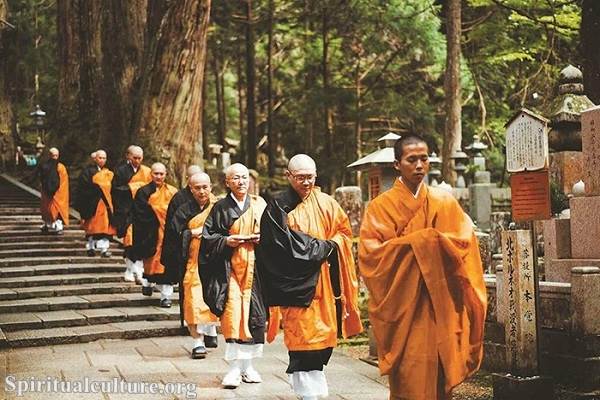
Japan’s sacred landscape includes Ise Jingu, major Buddhist temples in Kyoto and Nara, mountain pilgrimage centers, local shrines, cemeteries, and pilgrimage routes such as Kumano. Sacred architecture is closely tied to forests, gardens, mountains, and seasonal change.
Festivals, rituals, and community life
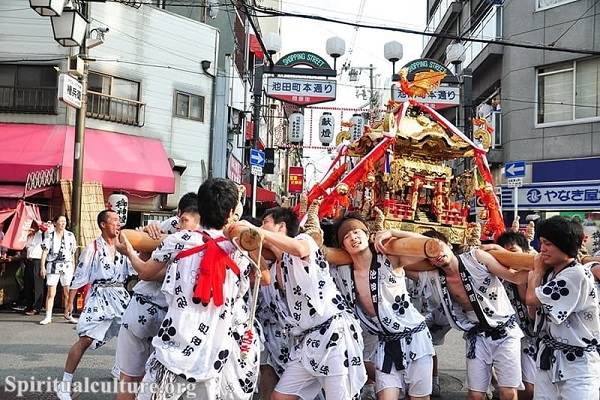
New Year shrine visits, Obon ancestor observances, Buddhist memorial rites, local matsuri, equinox visits to graves, and life-cycle ceremonies connect religion with family and locality.
Living spiritual culture
Japanese spiritual culture is often practiced through ritual participation rather than formal statements of belief. Understanding it requires attention to shrines, temples, ancestors, community festivals, and the sacred qualities attributed to landscape.
Religious diversity in context
Shinto and Buddhism have interacted in Japan for many centuries, even though modern institutions often present them as separate religions. Shrines organize relationships with kami, place, purification, and community festivals, while Buddhist temples are especially important for funerals, memorial rites, meditation, devotion, and ancestral remembrance. Confucian ethics, folk practices, mountain religions, new religious movements, Christianity, and the traditions of Ainu and Ryukyuan communities add further layers.
Religious participation is often situational rather than exclusive. The same household may visit a shrine for New Year, arrange a Buddhist funeral, keep memorial tablets, and take part in local festivals without adopting a single all-purpose religious label.
Festivals, pilgrimage, and sacred memory
Hatsumode at New Year, Obon remembrance of ancestors, equinox grave visits, Buddhist memorial services, and thousands of local matsuri link religion with season, neighborhood, and family. Pilgrimage traditions include the Shikoku circuit, Kumano routes, mountain ascetic sites, and visits to major shrines and temples in places such as Ise, Kyoto, and Nara.
Japan’s sacred heritage therefore includes both monumental sites and small local practices: a roadside Jizo figure, a neighborhood shrine, a temple cemetery, or a sacred grove can carry meanings that are not captured by formal affiliation statistics.
Historical change and regional variation
Japanese religious culture has repeatedly changed through the interaction of shrine and temple institutions, Buddhist schools, local kami traditions, state policies, new religious movements, and postwar social change. The modern administrative separation of Shinto and Buddhism did not erase centuries of ritual and cultural overlap.
Reading Japan’s spiritual culture carefully
Formal affiliation statistics do not fully describe participation. A person may visit a shrine at New Year, hold a Buddhist funeral, honor ancestors, and join a local matsuri without treating those practices as mutually exclusive religious identities.