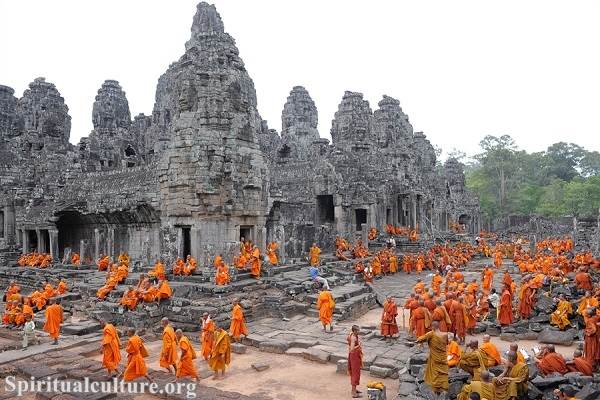
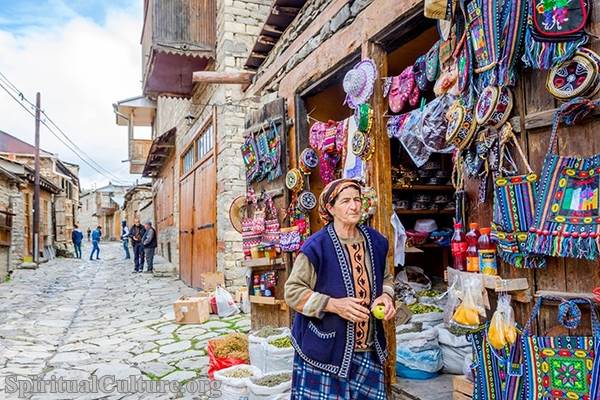
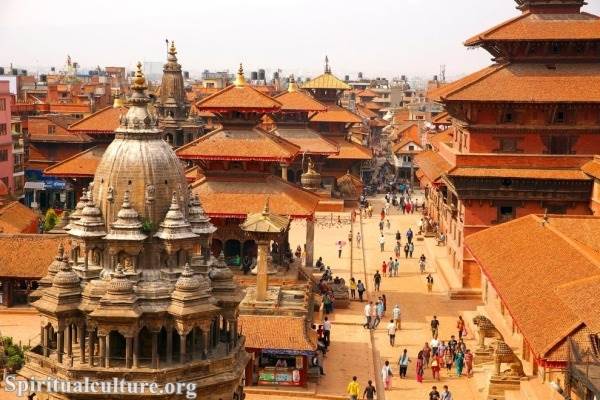
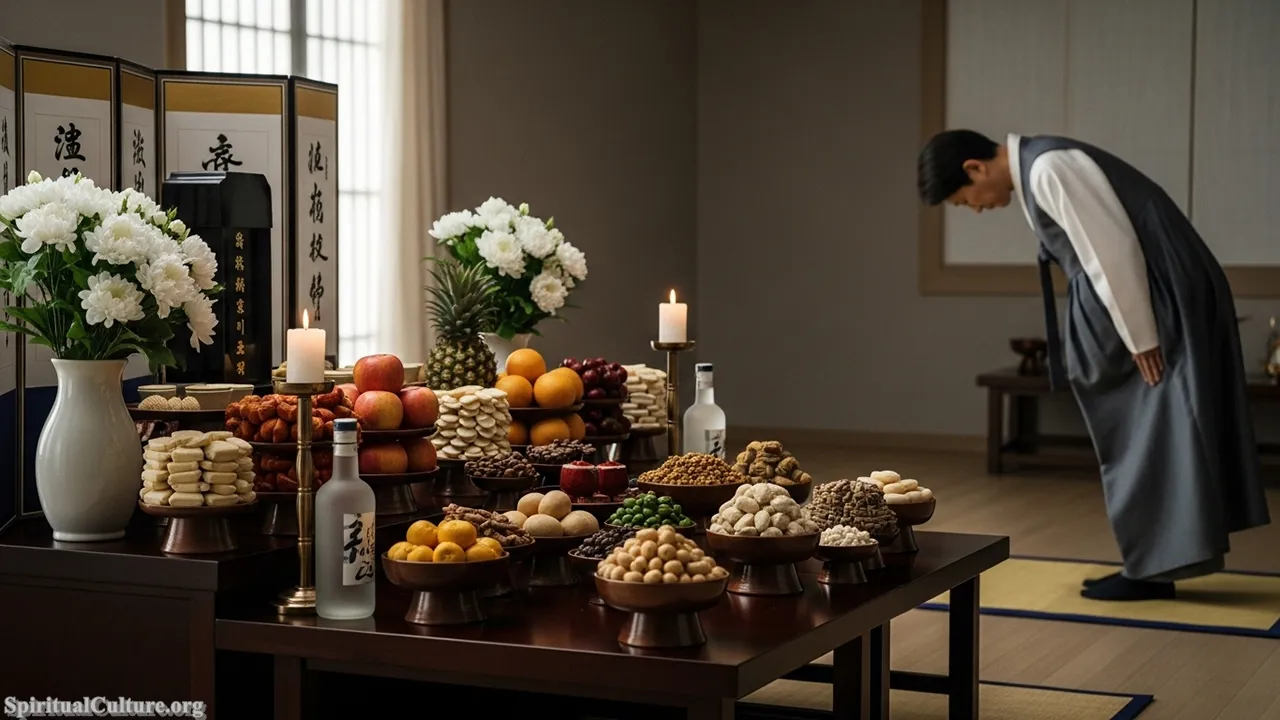
Singapore’s heritage is often presented through tourism attractions, but its deeper story is also religious. Mosques, Hindu temples, Chinese temples, churches, shrines, migration routes, and community institutions reveal how different traditions helped shape modern Singapore. Spiritual Culture presents an editorial guide rather than a popularity ranking.
1. Sultan Mosque
Sultan Mosque in Kampong Glam developed from the royal mosque associated with Sultan Hussein Shah and remains a major center of Muslim worship. Singapore’s National Heritage Board recognizes it as a National Monument and a reminder of Malay royal and Muslim community history.
2. Sri Mariamman Temple
Founded by Indian pioneer Naraina Pillai, Sri Mariamman is Singapore’s oldest Hindu temple. It remains a living place of worship and is associated with Tamil Hindu ritual and festival traditions.
3. Thian Hock Keng
Thian Hock Keng is one of Singapore’s oldest Hokkien temples and was historically connected with migrants giving thanks to Mazu for safe sea journeys. It also reflects mutual aid, education, and the institutions built by Chinese pioneers.
4. Buddha Tooth Relic Temple and Museum
This contemporary Buddhist temple in Chinatown combines worship, monastic life, ritual, sacred art, and museum interpretation, showing that living religious heritage can include modern institutions.
5. Sri Srinivasa Perumal Temple
Dedicated to Vishnu in the form of Srinivasa Perumal, the temple is an important center of Vaishnava worship and is closely associated with Thaipusam processions.
6. St Andrew’s Cathedral
The Anglican cathedral reflects Christianity under British colonial rule and the later development of an Asian Anglican community. It remains an active church rather than merely a Gothic landmark.
7. Armenian Church
The Armenian Church of St Gregory the Illuminator is associated with Singapore’s small but historically significant Armenian community and connects migration, commerce, Christianity, and diaspora memory.
8. Former Nagore Dargah
The former Nagore Dargah reflects Tamil Muslim migration and devotional traditions linked with the South Indian saint Shahul Hamid. Today the building serves heritage and community functions rather than its earlier shrine role.
9. Jamae Mosque
Jamae Mosque in Chinatown is associated with Chulia Muslim migrants from South India. Its location near Hindu and Chinese religious sites illustrates Singapore’s layered religious geography.
10. Telok Ayer sacred landscape
Telok Ayer brings together Thian Hock Keng, Al-Abrar Mosque, the former Nagore Dargah, and Telok Ayer Chinese Methodist Church. Reading them as a shared migrant landscape is more informative than treating each building as an isolated attraction.
Differences across traditions
Singapore’s religious heritage is living and plural. Visitor etiquette, worship schedules, dress expectations, and community rules should take priority over sightseeing.