Saudi Arabia’s most meaningful symbols include explicitly Islamic sacred forms as well as cultural traditions associated with hospitality, desert life, language, and regional identity.
Sacred Islamic symbols
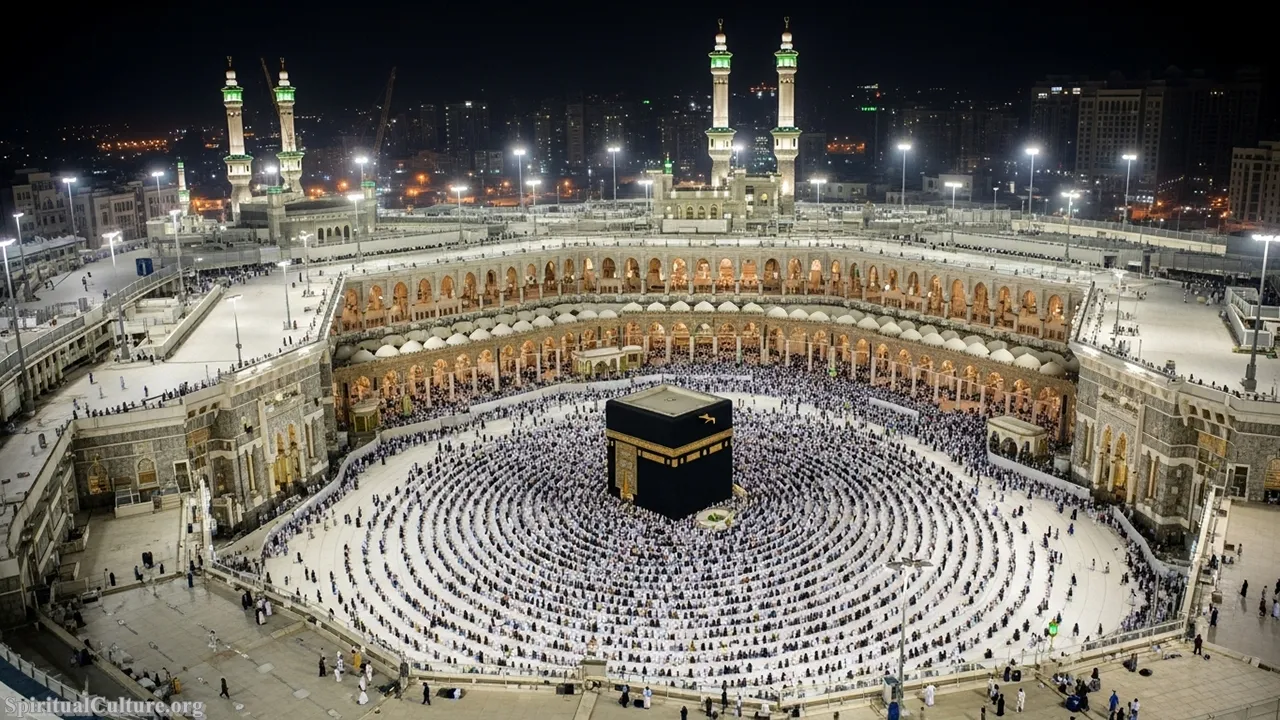
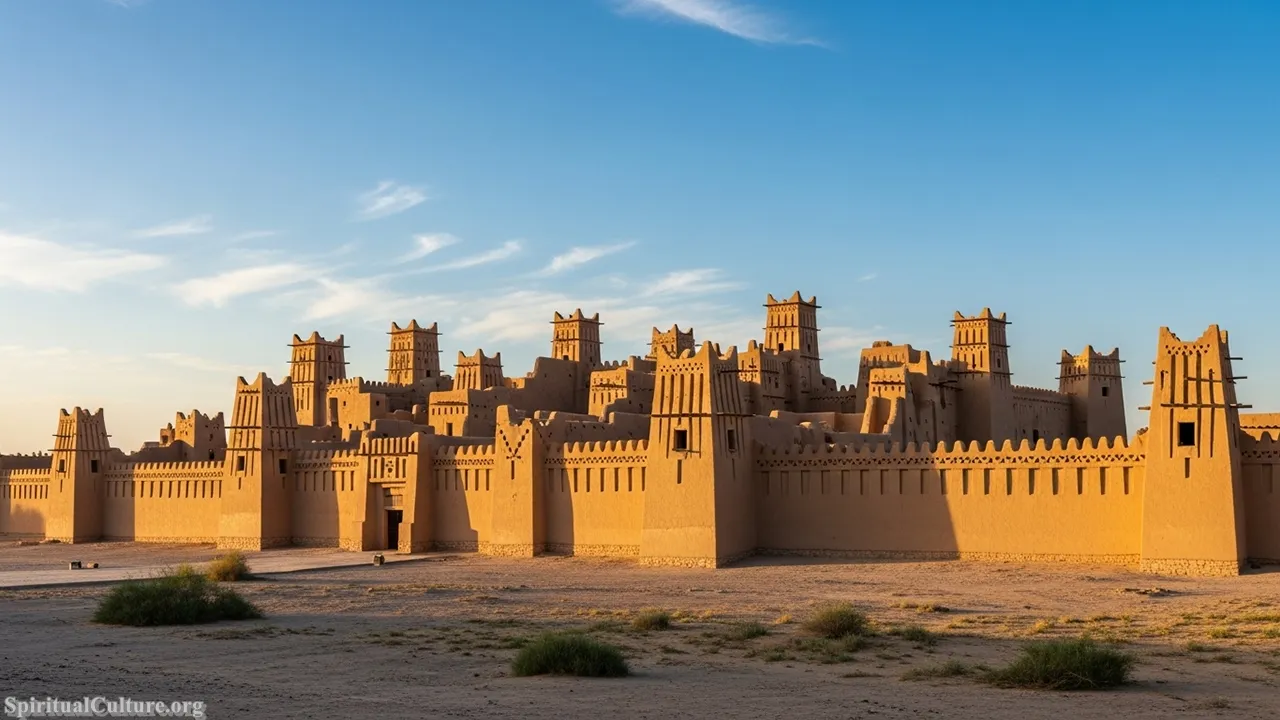
The Kaaba is the central direction of Muslim prayer and the focus of Hajj, making it a sacred symbol of Islam rather than a national emblem. Qur’anic calligraphy, mosque architecture, prayer beads, and forms of devotional art also belong to a wider Islamic visual culture.
Arabic language and calligraphy
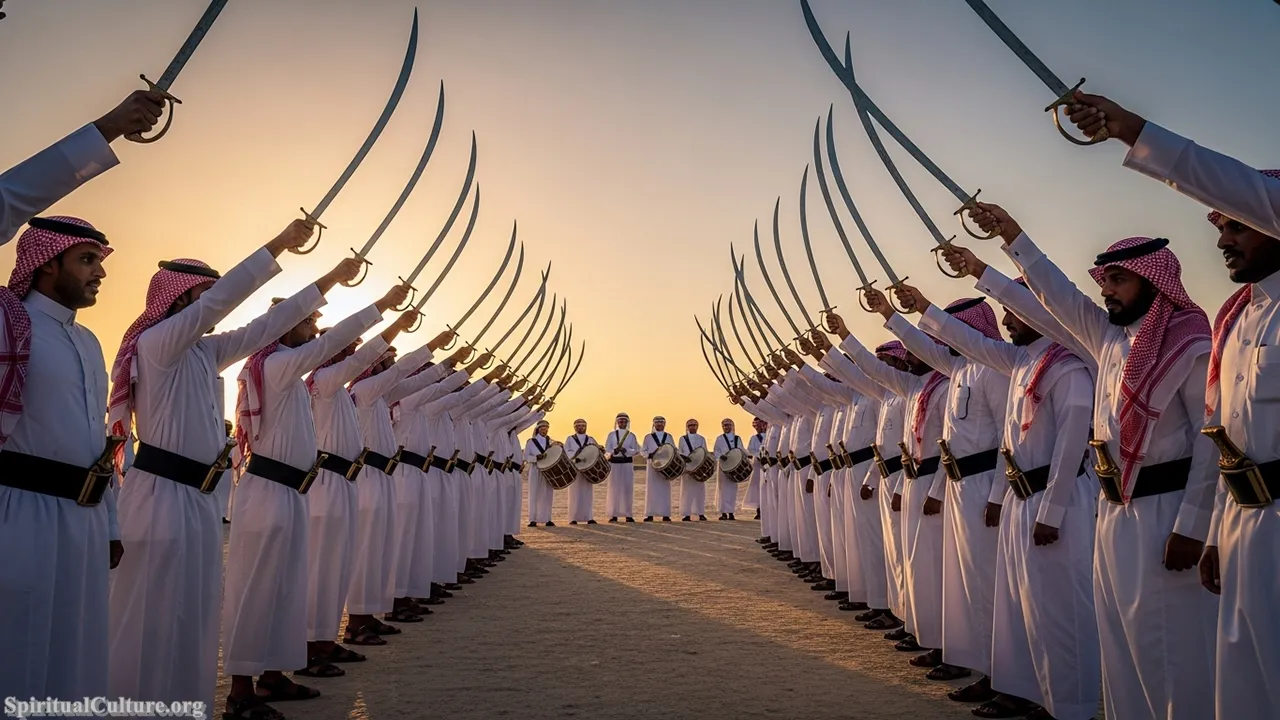
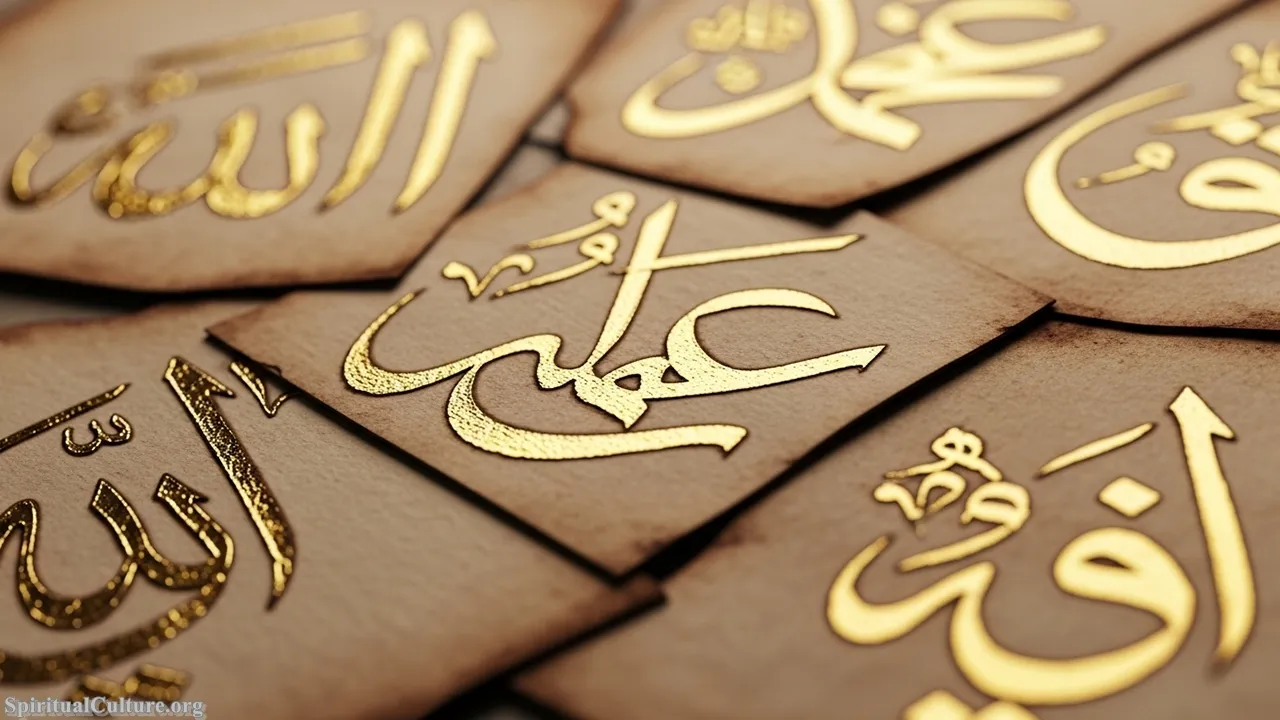
Arabic is inseparable from the Qur’an and Islamic scholarship, while calligraphy has become a major sacred and artistic tradition. Saudi cultural identity also includes regional scripts, poetry, and oral forms that are not exclusively religious.
Hospitality and material culture
Arabic coffee, dates, incense, the majlis, textiles, and traditional dress represent hospitality and social memory. They may accompany religious occasions but should not be described as sacred objects in themselves.
Landscape and pilgrimage
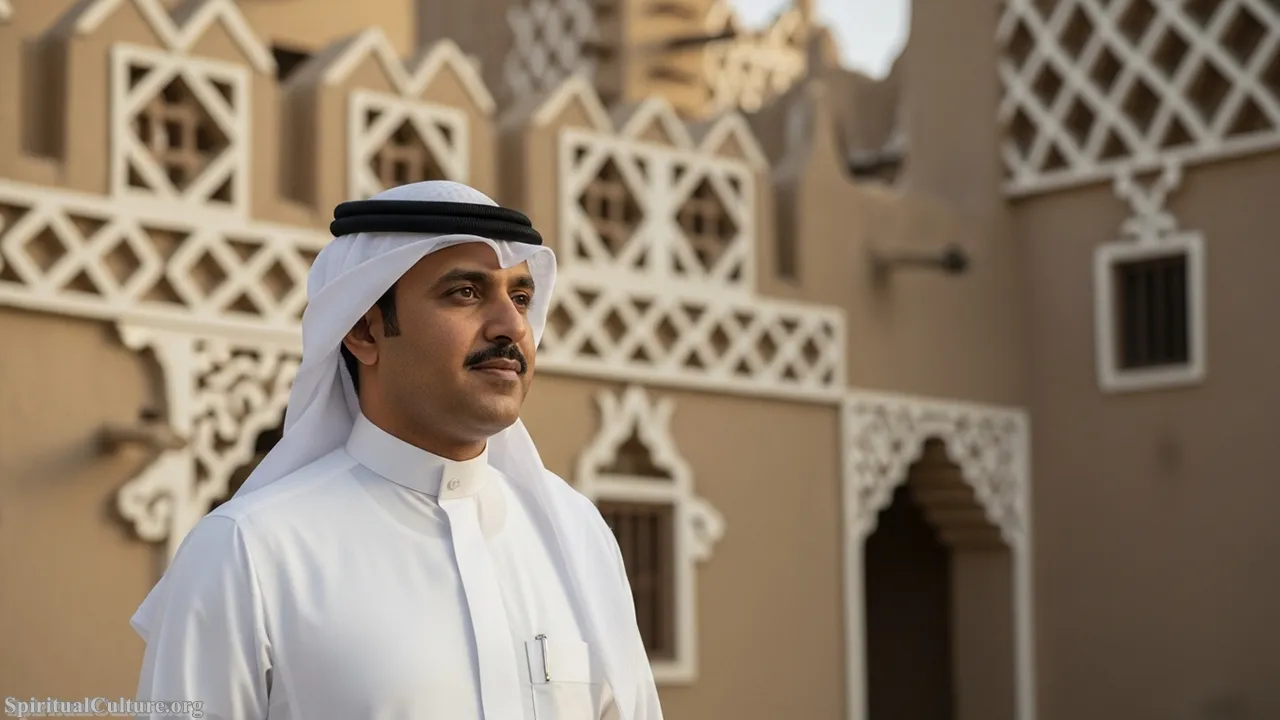
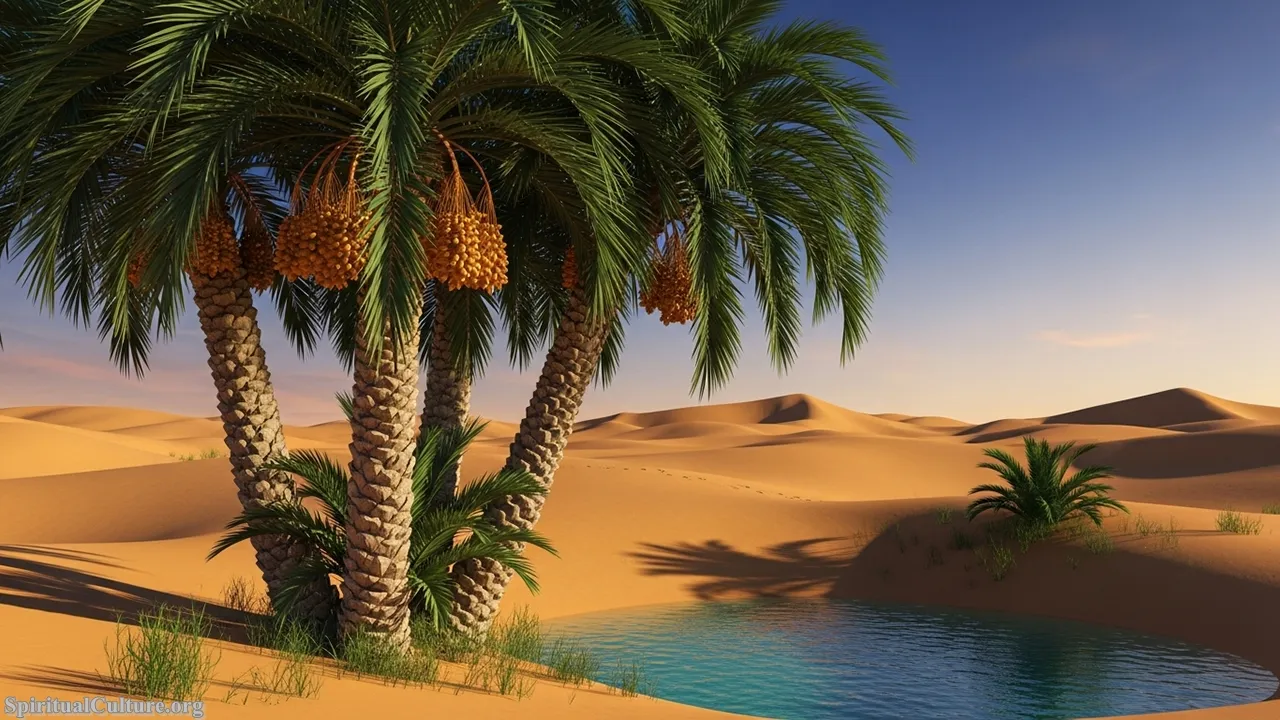
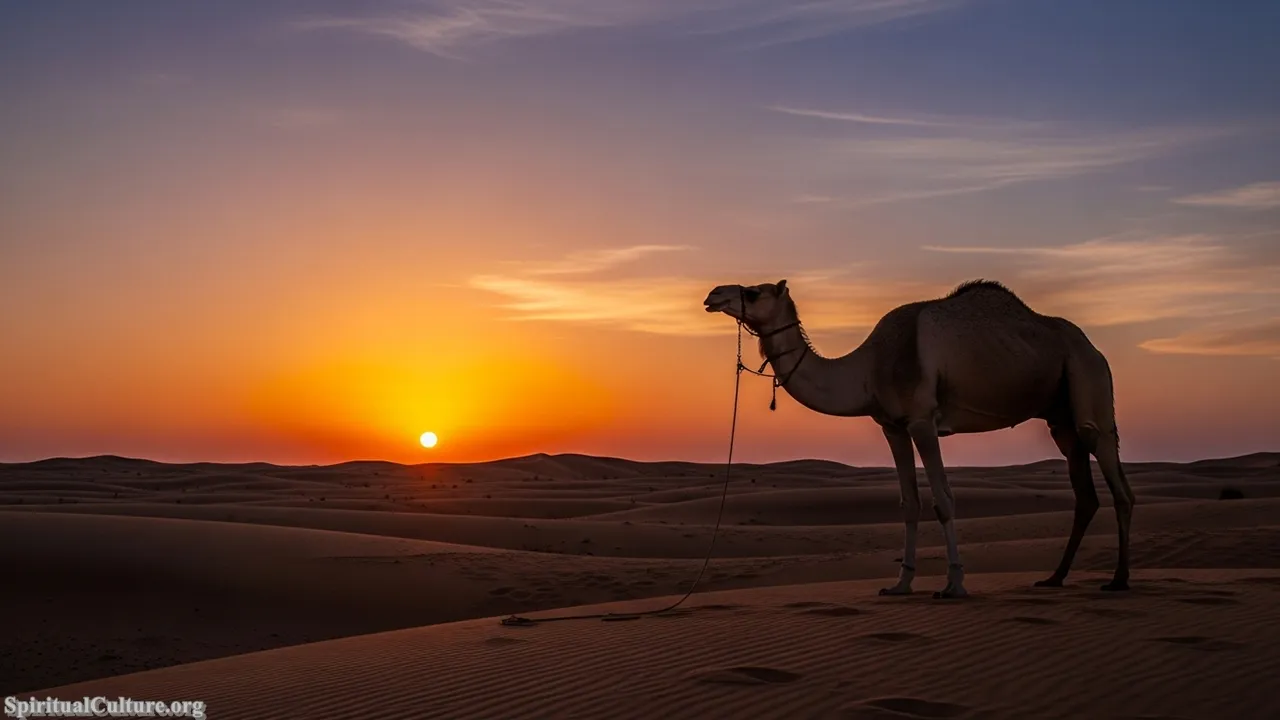
Mecca, Medina, pilgrimage routes, desert landscapes, oases, and historic settlements carry different kinds of meaning. Some are sacred through Islamic tradition; others are culturally significant because of history, ecology, or national memory.
Sacred meaning, heritage, and preservation

Saudi symbols range from universally Islamic sacred references to specifically Arabian and national traditions. The Kaaba and the rites associated with Mecca belong to the religious life of Muslims worldwide, whereas coffee, dress, poetry, falconry, and regional architecture have more local cultural histories. Preservation and interpretation should respect this difference instead of treating every national emblem as sacred.
Editorial Scope
The analysis distinguishes Islamic sacred meaning from cultural identity in Saudi Arabia. That distinction helps explain how pilgrimage, Arabic language, hospitality, landscape, and national memory relate to one another without confusing religion with branding or tourism.