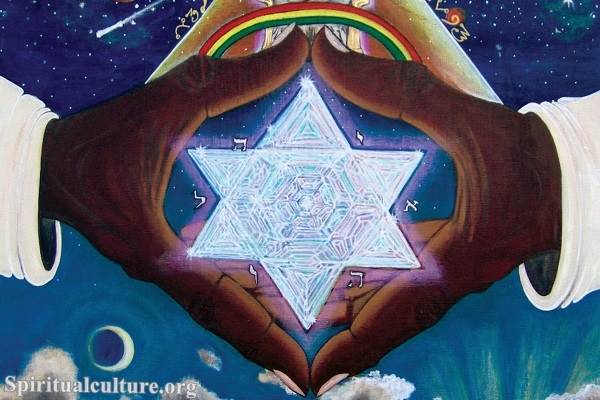
Emirati heritage combines Islamic sacred forms with Gulf traditions of hospitality, seafaring, desert life, family memory, and craftsmanship.
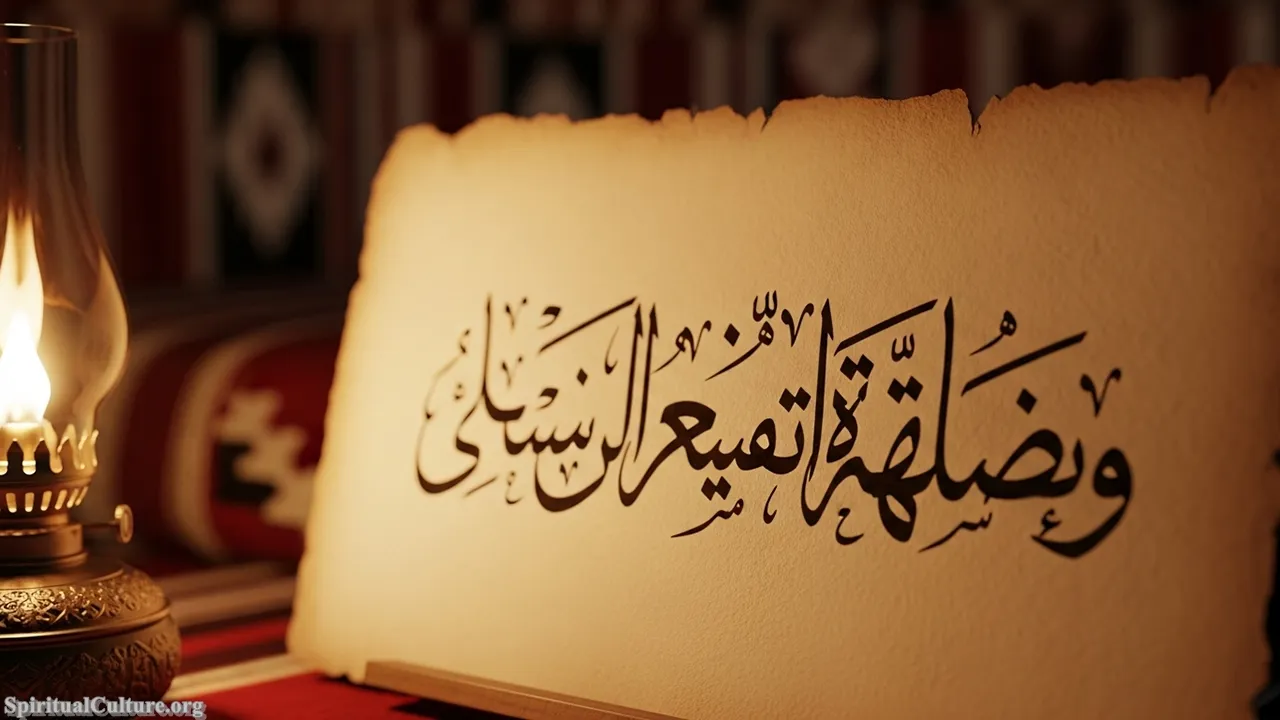
Islamic sacred forms
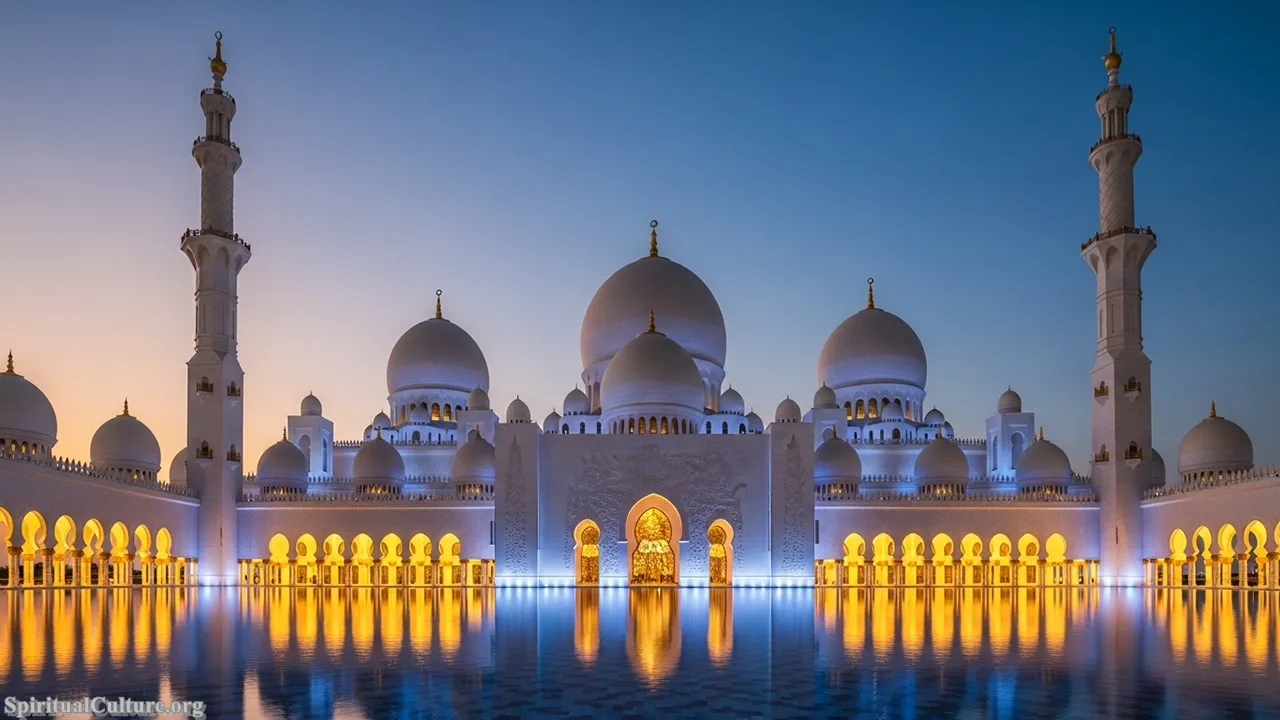
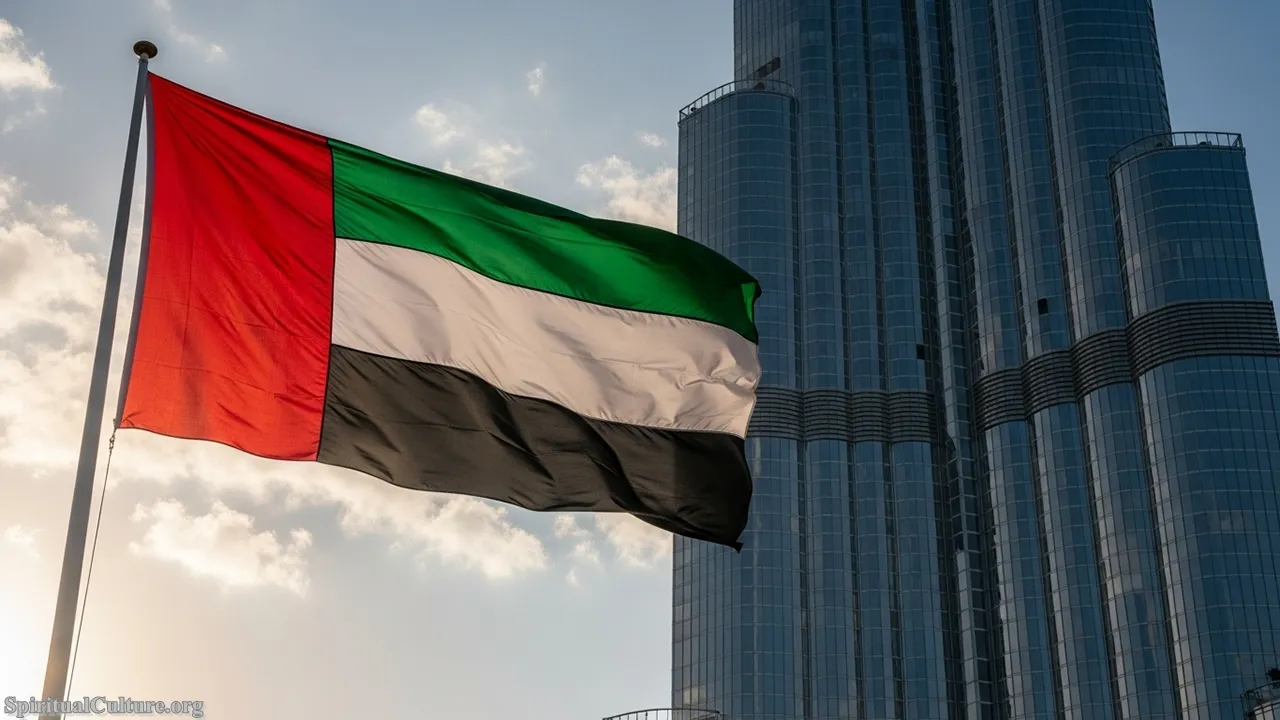
Mosques, Qur’anic calligraphy, prayer spaces, and the rhythm of Ramadan and Eid are central to the religious culture of the Emirates. These should be distinguished from national symbols such as flags or civic architecture.
The majlis and hospitality
The majlis is a social space for receiving guests, discussion, and community relationships. Arabic coffee, dates, incense, and hospitality rituals often accompany it, linking material culture with values of generosity and respect.
Maritime and desert heritage
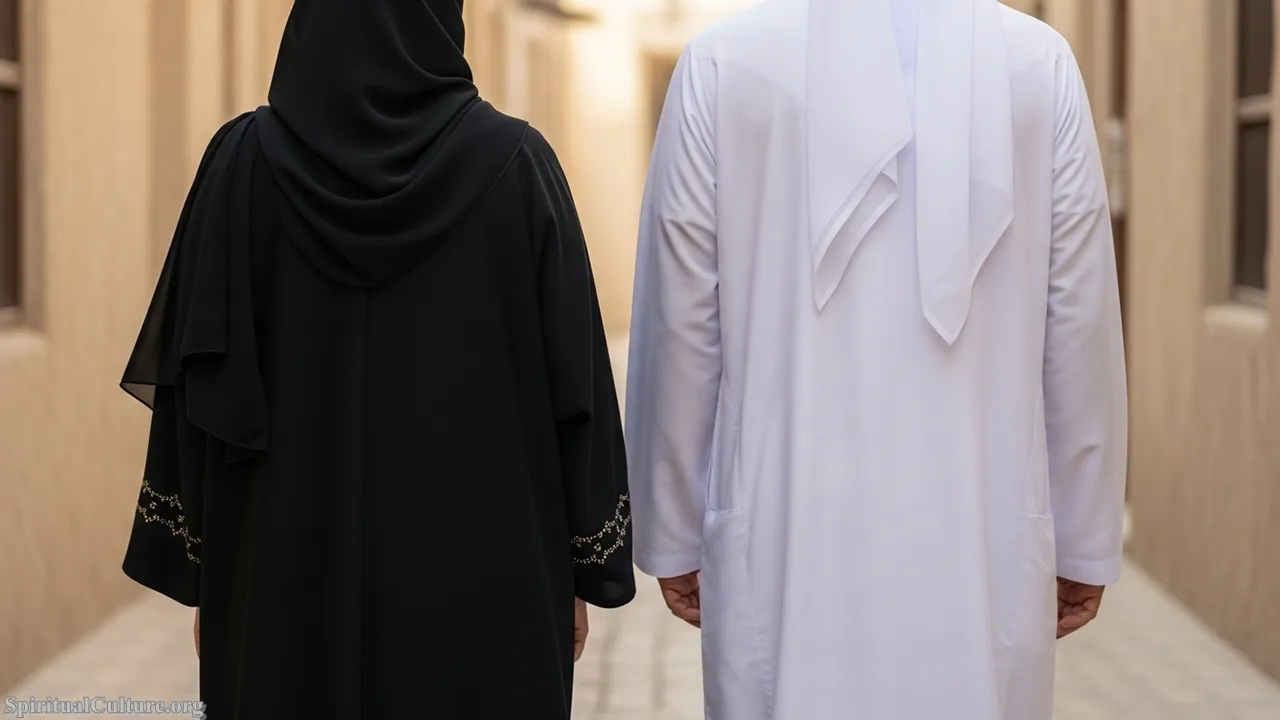
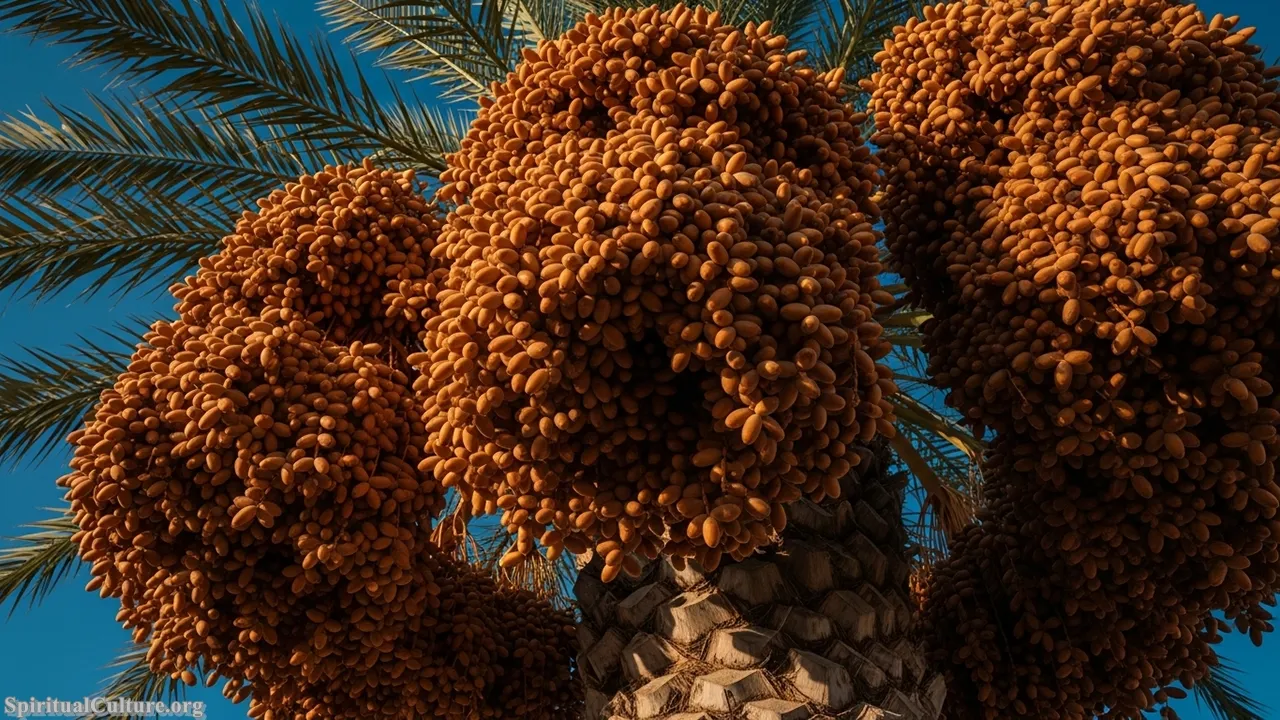
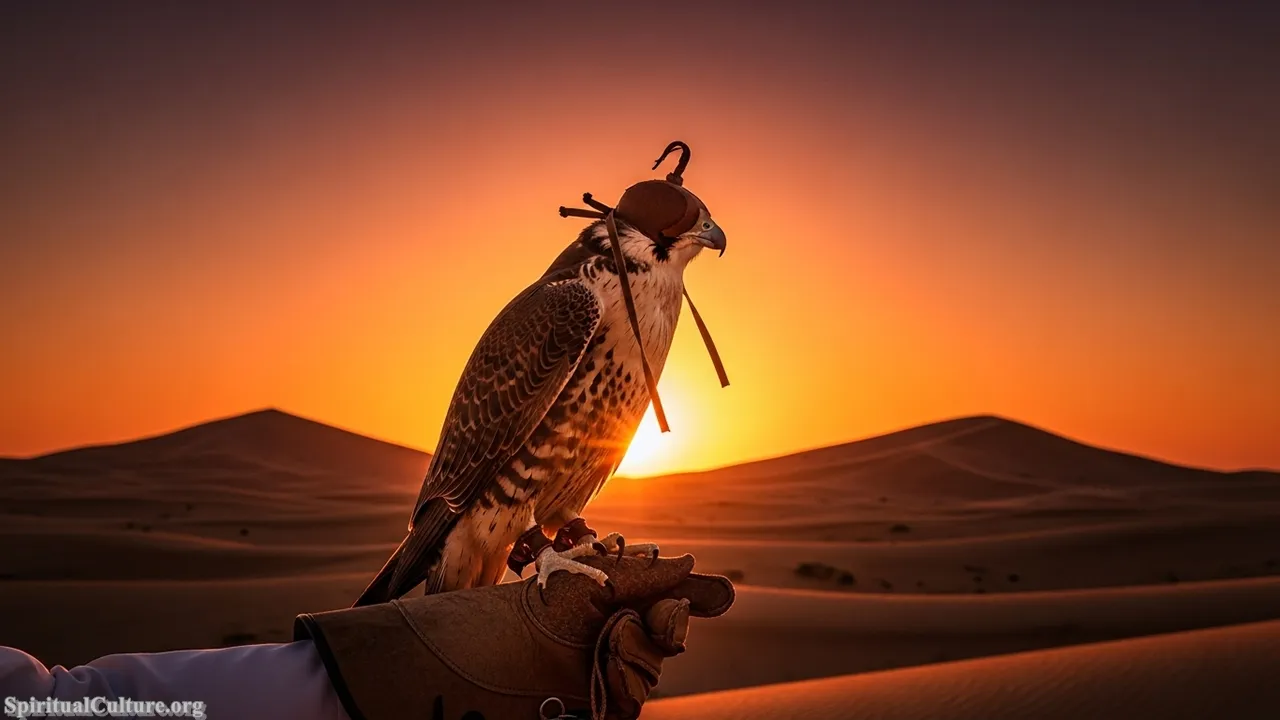
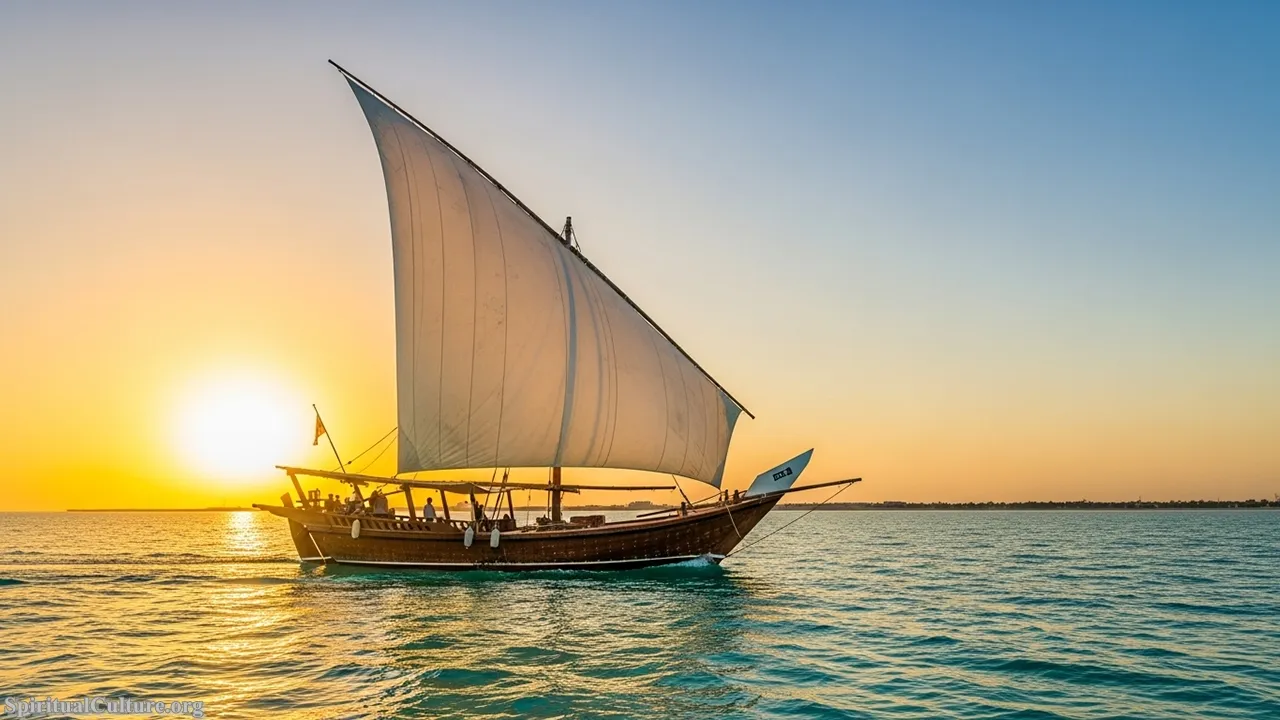
Dhows, pearling memory, falconry, camel culture, date palms, and oasis life reflect historical livelihoods and relationships with the Gulf and desert. These are cultural traditions rather than inherently sacred symbols.
Calligraphy, architecture, and identity
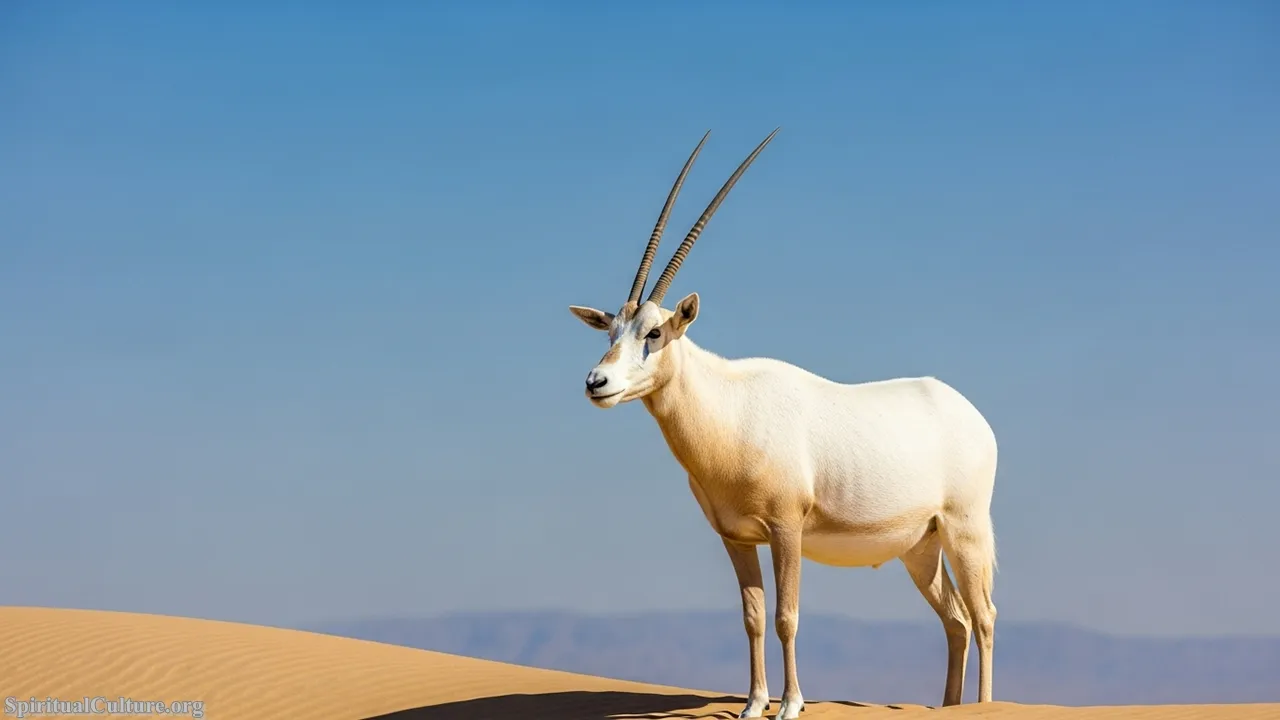
Arabic calligraphy and mosque architecture connect religious expression with artistic heritage, while contemporary Emirati identity brings traditional forms into new urban settings.
Sacred meaning, heritage, and preservation
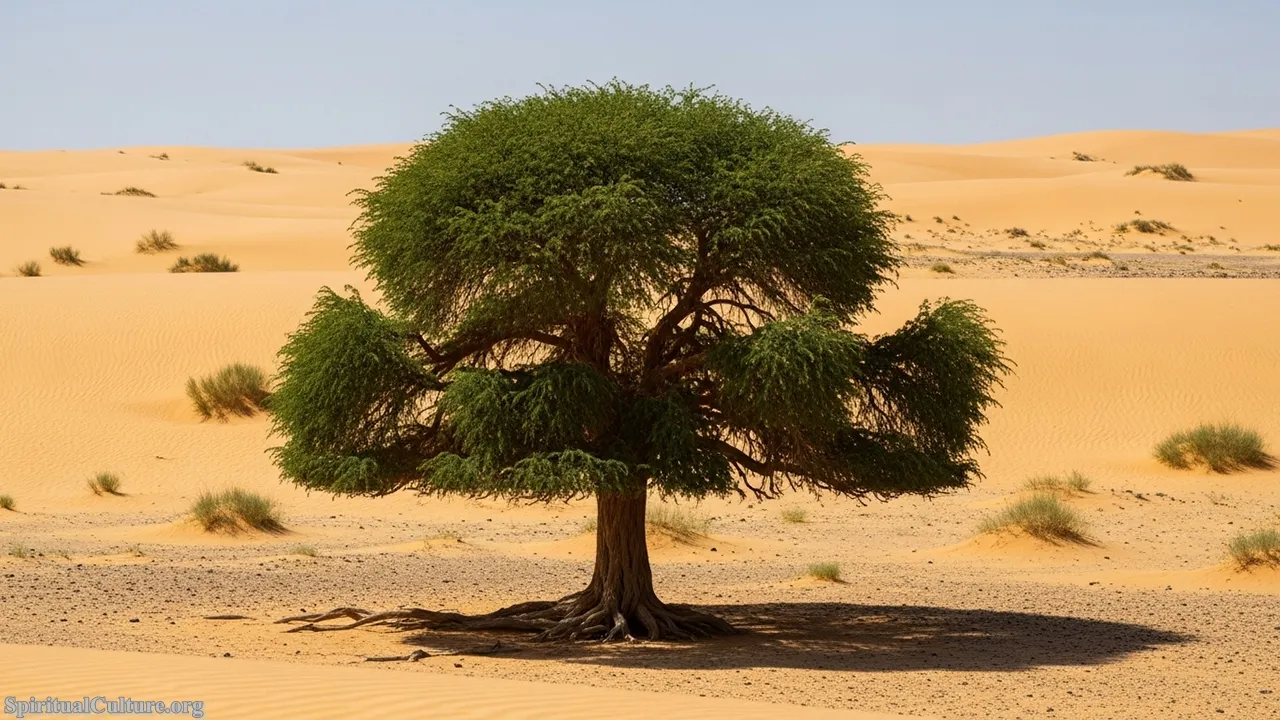
Emirati heritage includes both explicitly Islamic forms and cultural traditions whose meaning is social, regional, or national. Qur’anic calligraphy and mosque space have direct religious functions, while the majlis, coffee service, falconry, boats, clothing, and desert symbols may carry cultural identity without being sacred objects themselves. Keeping those distinctions clear avoids turning every familiar emblem into a religious symbol.
Editorial Scope
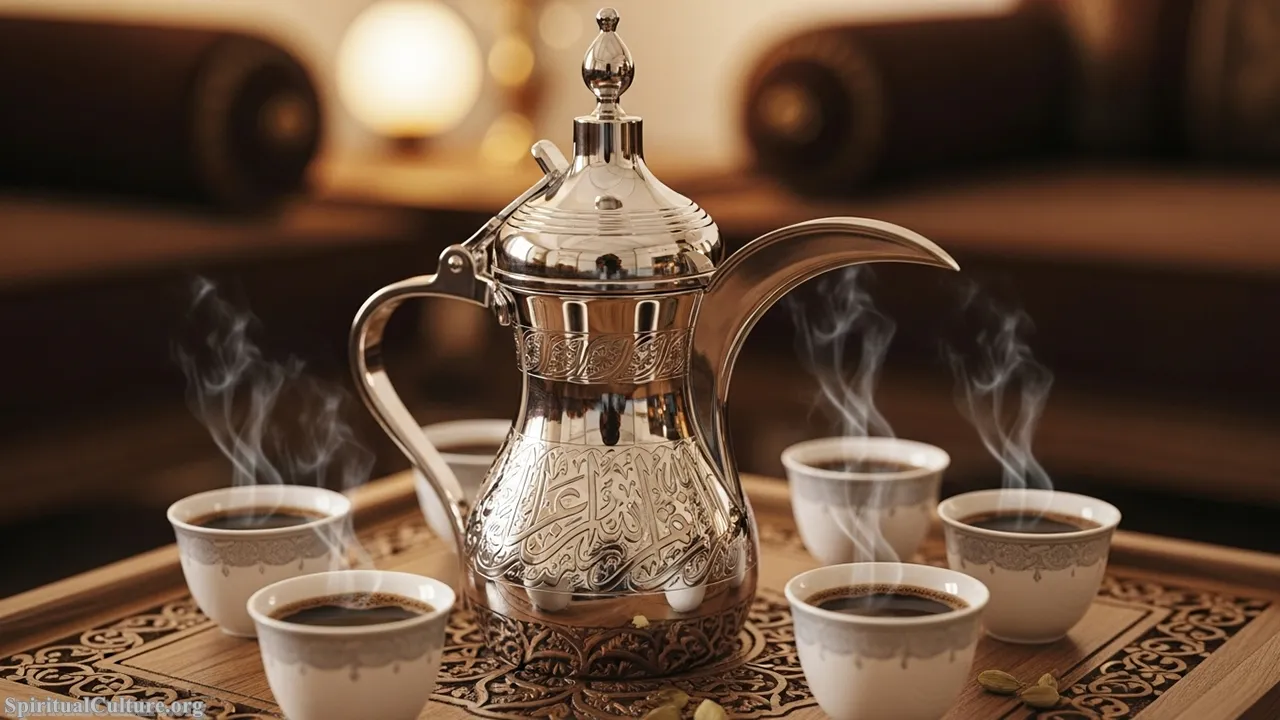
The discussion examines how Islamic devotion, hospitality, material culture, and Gulf memory intersect without collapsing them into one category. The article belongs here because it asks what a symbol means, who uses it, and when cultural identity becomes connected with religious practice.