Buddhism is a religion and philosophy that originated in ancient India. It is based on the teachings of the Buddha, a spiritual teacher who lived in the eastern part of the Indian subcontinent around the 5th century BCE.
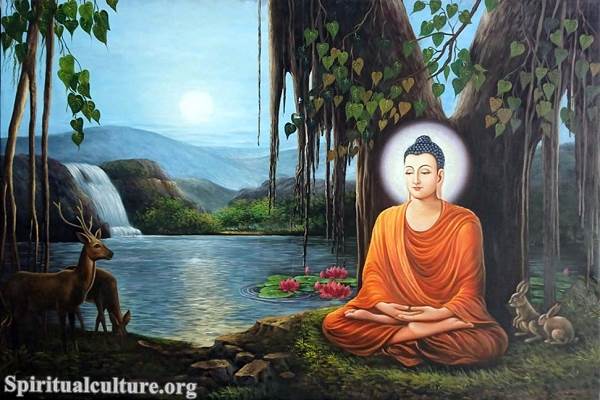
Buddhism is a non-theistic religion, which means that it does not involve the worship of a deity. Instead, it is centered on mindfulness and the idea that spiritual development can overcome suffering.
The core teachings of Buddhism include the Four Noble Truths, which hold that suffering is an inherent part of life but can be overcome through the Eightfold Path. The Eightfold Path consists of eight practices that are believed to lead to the end of suffering and the attainment of enlightenment. These practices include the right understanding, right intention, right speech, right action, right livelihood, right effort, right mindfulness, and right concentration.
Millions worldwide practice Buddhism, influencing many cultural and artistic traditions, including literature, art, and architecture. It is also known for its emphasis on meditation and mindfulness, which are believed to help individuals cultivate inner peace and clarity of mind.