In Islam, Allah is the Arabic word used for God and refers to the one God worshipped in Islam. Islamic theology does not describe Allah as one deity among many or as a being who came into existence. Spiritual Culture explains the concept through Qur’anic teaching rather than cultural stereotypes.
Tawhid: the oneness of God
Tawhid is the central Islamic affirmation of divine oneness. Surah al-Ikhlas presents Allah as One, self-sufficient, neither begetting nor begotten, and without equal.
Allah is not a separate Arabian god in Islamic belief
Arabic-speaking Christians and Jews also use the word Allah for God. In Islam, the word identifies the one Creator worshipped by Abrahamic prophets, not a tribal deity alongside other gods.
Allah is creator, not created
Islamic teaching understands God as eternal and uncreated. Asking “who created Allah?” therefore applies the category of created things to the Creator and does not match classical Islamic theology.
Ayat al-Kursi
Qur’an 2:255 describes Allah as the Ever-Living and Sustainer, unaffected by sleep, possessing what is in the heavens and earth, and encompassing creation in knowledge.
Mercy is central
Two of the most frequently recited divine names are al-Rahman and al-Rahim, often translated in relation to divine mercy and compassion. Nearly every Qur’anic surah opens with this formula.
The divine names
Muslim tradition speaks of the beautiful names of God, expressing attributes such as knowledge, power, mercy, justice, forgiveness, life, and majesty. The names do not divide God into separate beings.
Islam rejects incarnation of God
Mainstream Islamic theology does not teach that God becomes human. This is one major difference between Islamic teaching and Christian doctrines of incarnation and Trinity.
God and creation remain distinct
Creation depends on God, while God is not dependent on creation. Islamic theologians developed different schools for explaining divine attributes, but they share the insistence that God is incomparable with created beings.
Can Allah be pictured?
Islamic worship does not use an image of Allah. Aniconism in religious settings protects divine transcendence and avoids representing the Creator as a finite visible object.
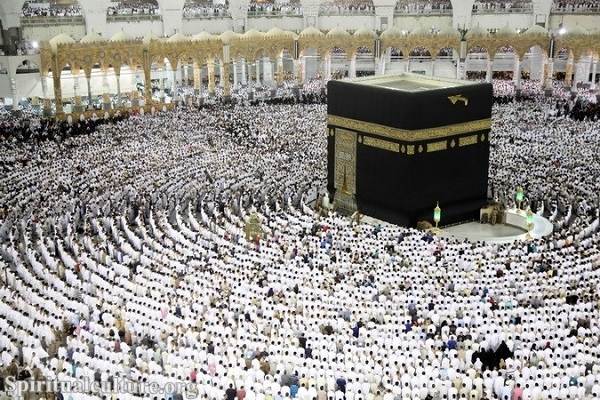
Prayer is directed to Allah
The five daily prayers, supplication, remembrance, repentance, gratitude, and trust are all directed toward God. No priest is required as a mediator for a Muslim to pray to Allah.
Comparison with Judaism and Christianity
All three traditions affirm one Creator, but they differ sharply on Trinity, incarnation, prophecy, scripture, and the identity of Jesus. Similar vocabulary should not erase theological differences.
Context and interpretation
The most concise Islamic answer is that Allah is the one eternal, uncreated God. Qur’anic descriptions emphasize divine unity, life, knowledge, power, mercy, and incomparability.