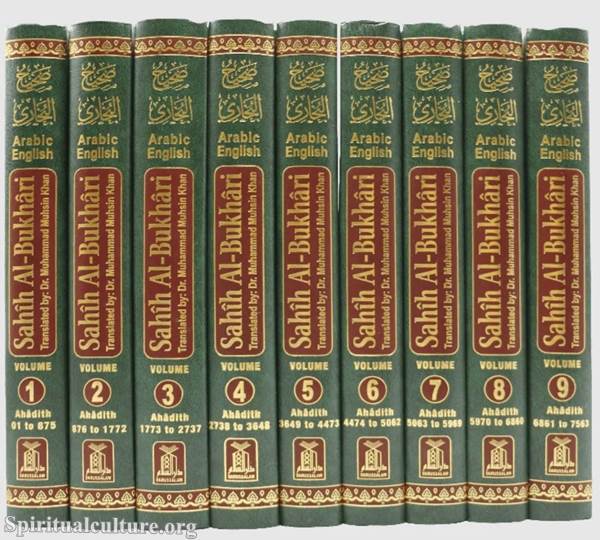
Ṣaḥīḥ al-Bukhārī is one of the most influential collections of hadith in Sunni Islam. It was compiled by the ninth-century scholar Muḥammad ibn Ismāʿīl al-Bukhārī and contains reports about the words, actions, approvals, and circumstances associated with the Prophet Muhammad.
Who was al-Bukhārī?
Al-Bukhārī was born in Bukhara in Central Asia and traveled widely to study hadith. Muslim biographical tradition remembers him for rigorous attention to transmitters and chains of narration.
His collection was produced within a mature scholarly culture in which hadith specialists compared narrators, transmission routes, wording, and historical possibility.
Why the collection is called Ṣaḥīḥ
Ṣaḥīḥ means sound or authentic. Al-Bukhārī selected reports he judged to meet demanding criteria, though later scholars continued to discuss individual narrations and technical details.
Sunni Muslims commonly describe Ṣaḥīḥ al-Bukhārī and Ṣaḥīḥ Muslim as the most authoritative hadith collections after the Qur’an.
How the book is organized
The collection is arranged by subject into books and chapters dealing with revelation, prayer, fasting, pilgrimage, commerce, ethics, biography, law, and many other topics.
Reports can appear more than once because al-Bukhārī places the same hadith in different legal or theological contexts.
Sunni and Shia perspectives
Ṣaḥīḥ al-Bukhārī holds special authority in Sunni Islam. Twelver Shia Muslims use different major hadith collections and do not grant Bukhārī the same canonical status.
This difference reflects broader Sunni-Shia approaches to transmitters and religious authority.
Authentication and scholarly method
Al-Bukhari did not merely gather sayings by topic. Hadith scholarship evaluates reports through chains of transmission, the reliability and meeting of transmitters, the wording of reports, comparison with parallel narrations, and other technical criteria. The label sahih means that a report met the compiler’s standards for authenticity; it does not mean that every later jurist will derive the same legal conclusion from it.
Muslim scholars also wrote extensive commentaries explaining difficult wording, reconciling apparently conflicting reports, and connecting hadith with Qur’anic interpretation and legal principles.
Numbering and editions can differ
Readers may encounter different total numbers for Sahih al-Bukhari because hadith can be counted with or without repeated narrations and because editions use different numbering systems. A citation should therefore include the book or chapter when possible rather than relying only on a modern sequential number.
Translations are also interpretations. Important legal or theological questions may depend on Arabic vocabulary, narrator information, and commentary that a short English quotation does not show. For serious study, a translated hadith is best read with its context and scholarly explanation.
How to read it responsibly
A hadith collection is not simply a list of isolated quotations. Interpretation involves Arabic wording, chains of transmission, legal method, commentary, and comparison with other evidence.