
The Holy Spirit in the Context of Catholicism and the Catholic Faith
In Christian belief, the Holy Spirit is often referred to as the third person of the Holy Trinity, alongside God the Father and God the Son.

In Christian belief, the Holy Spirit is often referred to as the third person of the Holy Trinity, alongside God the Father and God the Son.
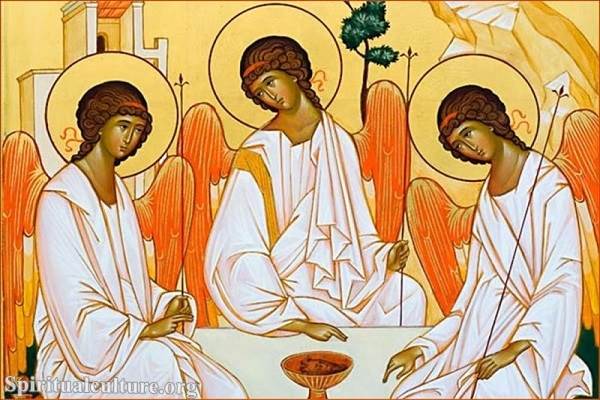
Learn about the Trinity as a central Christian doctrine of one God in three persons, with biblical foundations and Catholic theology.
The cross is the most widely recognized symbol of the Roman Catholic Church. It is often depicted with the figure of Jesus crucified on it.
Learn how Buddhist practice can meet criticism without ego through mindfulness, non-reactivity, reflection, compassion, and wise speech.
Jesus lived a perfect, sinless life, making Him the spotless sacrifice for the world's sins, per the Bible within religious tradition.
Learn how Catholic, Orthodox, Protestant, and historical perspectives describe the early Church, its beliefs, institutions, and development.
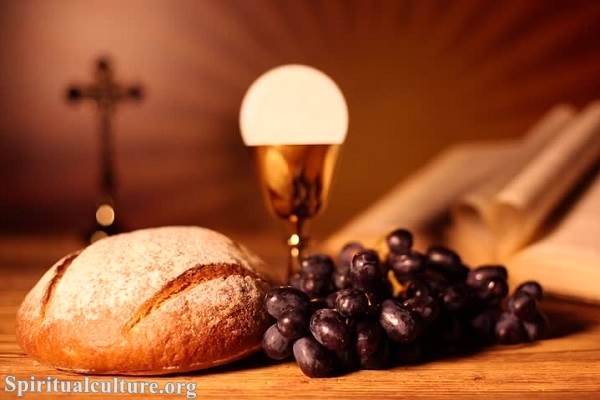
In the Catholic Church, Catholics are traditionally encouraged to abstain from eating meat on Fridays, especially during the season of Lent.
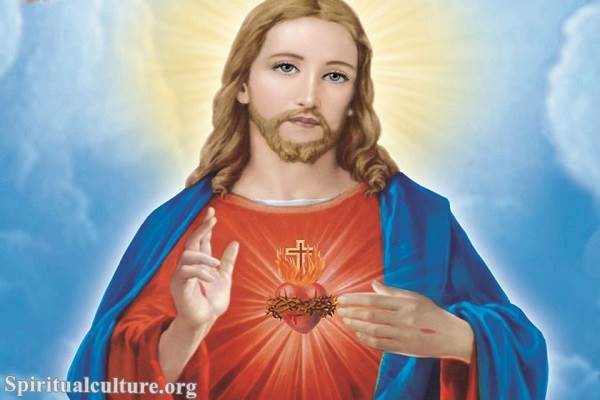
Learn major criticisms of the Catholic Church, including corruption, authority disputes, institutional failures, and major reform movements.
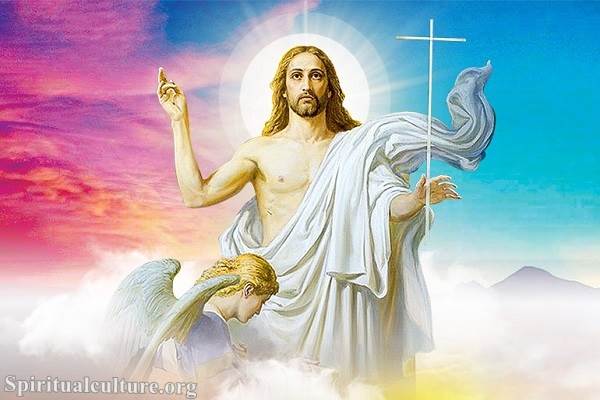
God’s immutability means He never changes—and this truth anchors our faith, strengthens our trust, and brings peace in a shifting world.
Baptism symbolizes the washing away of sins, a new life in Christ, and obedience to God’s plan of salvation within Christian belief.
Buddhism teaches mindful presence in family life—turning daily moments into chances for love, connection, and awakened joy amid chaos.
Learn about the mystery of Christ’s Real Presence—how bread and wine become His true Body and Blood in the Catholic Eucharist in context.