Buddhism has no single holy book shared by every tradition. Theravada Buddhism preserves the Pali Tipitaka, while Mahayana and Vajrayana traditions draw on additional sutras, commentaries, and large Chinese and Tibetan canonical collections.
Buddhism
Buddhism originated in India around the 6th century BC. Siddhartha Gautama, the Buddha, was a prince who renounced his royal life in search of truth and enlightenment. His teachings, known as Dharma, form the foundation of Buddhism. Buddhism mainly focuses on understanding human suffering and how to overcome it through morality, meditation, and wisdom.
Buddhism Holy Book
Unlike many other religions, Buddhism does not have a single holy book that contains all the teachings and philosophies of the religion. Instead, there are several texts, collectively known as the Tripitaka or the “Three Baskets”, which are considered sacred and authoritative. These texts are written in Pali, an ancient Indian language, and are regarded as the most ancient and authentic record of the Buddha’s teachings.
The Tripitaka, also known as the Pali Canon, is divided into three sections: Vinaya Pitaka, Sutta Pitaka, and Abhidhamma Pitaka. Each of these sections serves a unique purpose and contributes to the overall understanding of Buddhism.
1. Vinaya Pitaka: This section of the Buddhism holy book contains rules for monastic discipline. It sets the code of conduct for monks and nuns, detailing their duties, responsibilities, and the ethical guidelines they should follow.
2. Sutta Pitaka: The Sutta Pitaka is the largest section of the Tripitaka. It consists of discourses, sermons, and teachings of the Buddha and his close disciples. This section provides a comprehensive understanding of Buddhist philosophy, ethics, and meditation techniques.
3. Abhidhamma Pitaka: The Abhidhamma Pitaka is the last section of the Tripitaka. It contains detailed philosophical and psychological analysis of Buddhist teachings. This section is considered the most complex and significant, offering deep insights into the nature of reality and human existence.
Apart from the Tripitaka, there are other important Buddhist texts such as the Jataka Tales, which are stories about the previous lives of the Buddha, illustrating moral lessons. The Mahayana Sutras, including the Lotus Sutra and the Heart Sutra, are also significant texts in Mahayana Buddhism.
The Buddhism holy book is not just a religious text, but also a significant philosophical guide. It doesn’t demand blind faith or obedience but encourages followers to seek wisdom through personal experience and introspection. The teachings in these texts promote compassion, mindfulness, and the pursuit of enlightenment.
the Buddhism holy book, with its diverse collection of texts, offers significant insights into human existence and the nature of reality. It is a guide to living a life of compassion, wisdom, and inner peace.
Related Questions
Does Buddhism have a holy book?
I. What is the holy book of Buddhism?
The holy book of Buddhism is called the Buddhist canon or the Tripitaka. It is a collection of texts that contain the teachings of the Buddha. The canon is divided into three parts: the Sutras (teachings), the Vinaya (monastic rules), and the Abhidharma (philosophical treatises). These texts are considered sacred by followers of Buddhism and are used as a guide for spiritual practice and understanding.
II. The Buddhist canon – the Tripitaka
The Buddhist canon, also known as the Tripitaka, is considered the holy scripture of Buddhism. It is a collection of texts written in Pali, Sanskrit, and other languages, containing the Buddha’s teachings and principles. The canon is divided into three parts:
1. The Sutras
This section includes the discourses of the Buddha, which cover a wide range of topics such as morality, meditation, and the nature of reality. The most famous sutra is probably the “Heart Sutra,” which is widely studied and recited in Mahayana Buddhism.
2. The Vinaya
This section contains the monastic rules and regulations for ordained monks and nuns. It covers topics such as ordination, discipline, and the daily routines of monastic life.
3. The Abhidharma
This section includes philosophical commentaries and analytical treatises on various aspects of Buddhist doctrine. It covers topics such as the workings of the mind, the nature of reality, and the path to enlightenment.
The canon is considered the authoritative source of Buddhist teachings and is revered by followers of Buddhism. Different sects of Buddhism may emphasize different parts of the canon, but the canon is considered the foundation of Buddhism.
Do Buddhists have holy texts?
These texts are known as the “Buddhist canon” and include the teachings of the historical Buddha, Siddhartha Gautama, and subsequent teachings and commentaries by other scholars and practitioners.
The Buddhist canon is vast and includes many different texts, but some of the most well-known and widely studied include:
The Pali Buddhist Canon
This is a collection of scriptures written in the Pali language, believed to be the closest to the language the Buddha spoke. It is considered the most complete and accurate record of the Buddha’s teachings and is widely studied in Theravada Buddhism.
The Tibetan Buddhist Canon
This is a collection of scriptures and texts written in Tibetan, the primary language of Tibetan Buddhism. It includes many of the same texts as the Pali Canon and additional teachings and commentaries.
The Chinese Buddhist Canon
This is a collection of scriptures and texts written in Chinese, the primary language of Chinese Buddhism. It includes many of the same texts as the Pali and Tibetan Canons and additional teachings and commentaries.
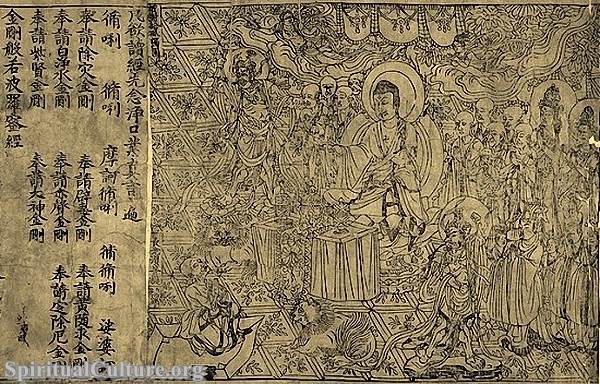
In addition to these canons, many other texts are considered sacred within Buddhism, such as the Lotus Sutra, the Diamond Sutra, and the Heart Sutra. These texts are revered for their teachings on the nature of reality and the path to enlightenment and are widely studied and practiced within the tradition.
What is the Bible of Buddhism?
Instead, Buddhism has a vast and varied collection of scriptures and texts that are revered by practitioners.
Some of the most important scriptures in Buddhism include:
The Pali Canon
This is a collection of scriptures in the Pali language that is considered to be the complete record of the teachings of the Buddha. The Pali Canon is the primary scripture of Theravada Buddhism.
The Tibetan Kangyur and Tengyur
These are two collections of scriptures that are considered to be the most important texts in Tibetan Buddhism. The Kangyur consists of translations of the Buddha’s teachings, while the Tengyur contains commentaries and other writings by Indian and Tibetan scholars.
The Chinese Agamas
These are collections of scriptures translated into Chinese and considered the equivalent of the Pali Canon in East Asian Buddhism.
The Mahayana Sutras
These scriptures are especially important in Mahayana Buddhism, the dominant form of Buddhism in East Asia. The most well-known of these sutras is the Lotus Sutra, considered one of the most important texts in Mahayana Buddhism.
In addition to these texts, there are many other scriptures and texts that are revered in different schools and traditions within Buddhism.