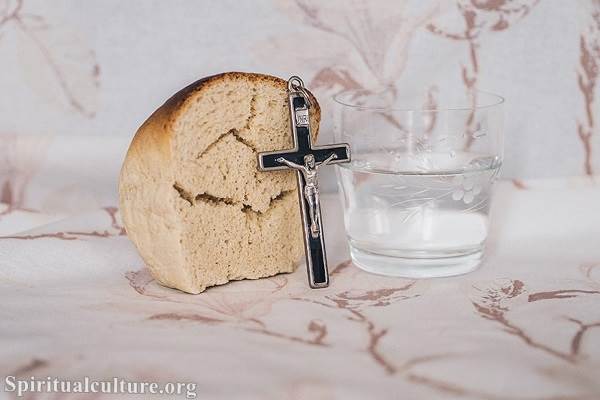
Christianity in Romania is closely associated with the Romanian Orthodox tradition, but the country also includes Roman Catholic, Greek Catholic, Reformed, Lutheran, Baptist, Pentecostal, Adventist, and other Christian communities. Religious identity is connected to regional history, language, ethnicity, and the political changes that affected Eastern and Central Europe.
Orthodox Christianity and Romanian history
Eastern Christianity developed in the lands that became modern Romania over many centuries. The Romanian Orthodox Church became a major national institution and today remains the country’s largest Christian body. Its worship follows the Byzantine liturgical tradition, with a strong place for the Divine Liturgy, icons, fasting, monastic life, saints, and the church calendar.
Orthodox churches and monasteries have also been important centers of art, architecture, manuscript culture, and local pilgrimage. Painted monasteries, wooden churches, and historic cathedrals are part of Romania’s religious and cultural heritage.
Catholic and Protestant communities
Roman Catholic and Greek Catholic communities are especially significant in Transylvania and other western and northern regions. Reformed and Lutheran churches have deep historical roots among Hungarian- and German-speaking communities, while Baptist, Pentecostal, and Adventist churches expanded more recently and now form visible parts of Romanian Christian life.
Religion under communism and after 1989
The communist period placed religious institutions under state pressure and surveillance. The Romanian Greek Catholic Church was suppressed in 1948, while other churches operated under varying degrees of restriction and control. After the fall of the communist regime in 1989, religious communities regained greater freedom to organize, publish, educate, restore property, and participate publicly.
Christianity in contemporary Romania
Today, Christianity is visible in public holidays, church architecture, family rites, pilgrimages, charitable organizations, and debates about national identity. At the same time, religious participation varies widely, especially between generations and regions. Romania also includes Jewish, Muslim, and nonreligious communities, so its spiritual culture cannot be reduced to a single tradition.
A balanced account of Romanian Christianity therefore includes both the dominant Orthodox heritage and the country’s Catholic, Protestant, evangelical, and minority religious histories.