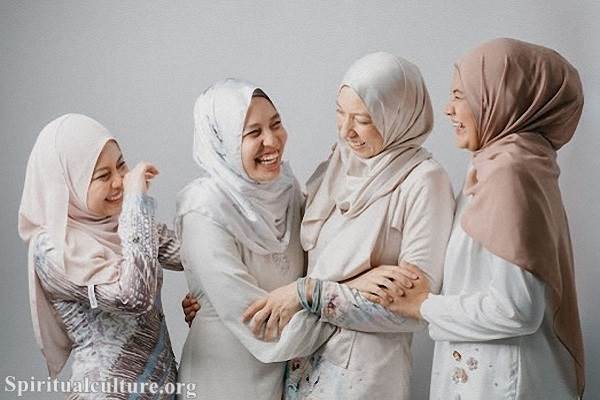
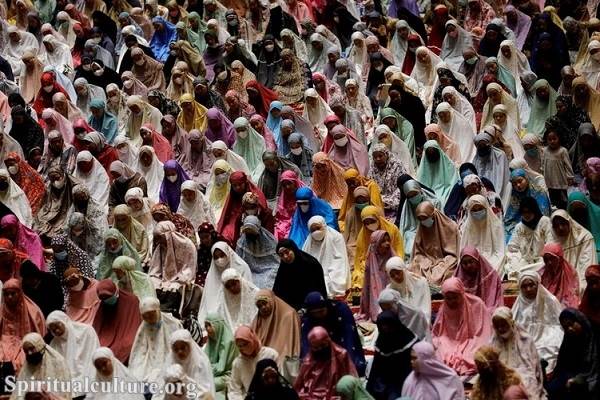
In Islam, modesty and modest dress are considered important aspects of faith and spirituality. According to the teachings of the Quran and the Hadith, both men and women are encouraged to dress modestly and avoid revealing or excessive clothing that may be considered sexually suggestive or distracting. This concept is known as hijab, which literally means “veil” or “covering.”
For women, the exact interpretation of modest dress can vary widely depending on cultural and regional norms, as well as individual interpretations of Islamic teachings. In some cultures and communities, hijab may require the wearing of a headscarf or head covering, as well as loose-fitting clothing that covers the body and arms. In others, it may also require wearing a full-body covering, such as a burka or niqab, that reveals only the eyes.
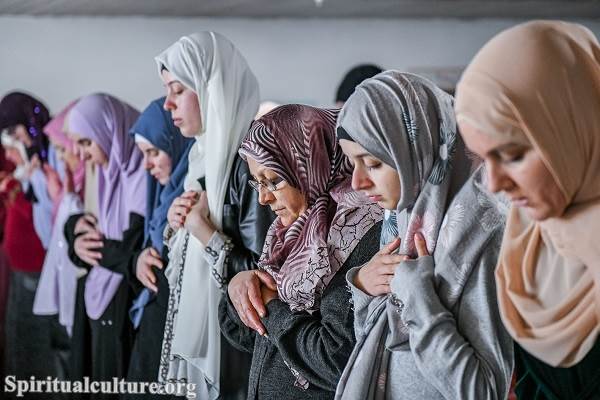
It is worth noting that the dress code for women in Islamic societies is not universally prescribed by Sharia law, but rather, is influenced by cultural and religious norms, as well as individual interpretations of Islamic teachings. In many modern Islamic countries, the wearing of hijab or other forms of modest dress is a personal choice and is not legally required.
Additionally, some Muslim women choose not to wear hijab, either due to personal preference or as a form of protest against perceived cultural or religious oppression.