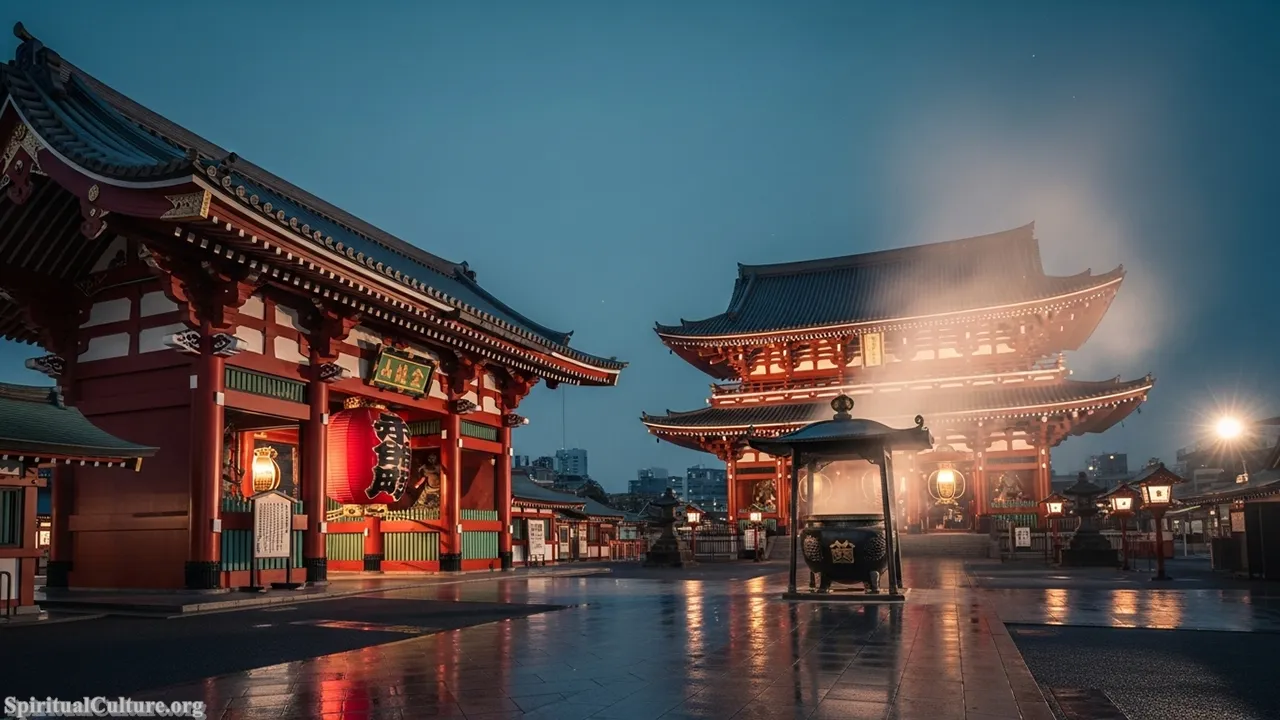
Indigenous sacred places in Canada belong to distinct First Nations, Inuit, and Métis communities. They should be described through community history and protocols rather than as tourist attractions.
Sacred landscapes and sovereignty
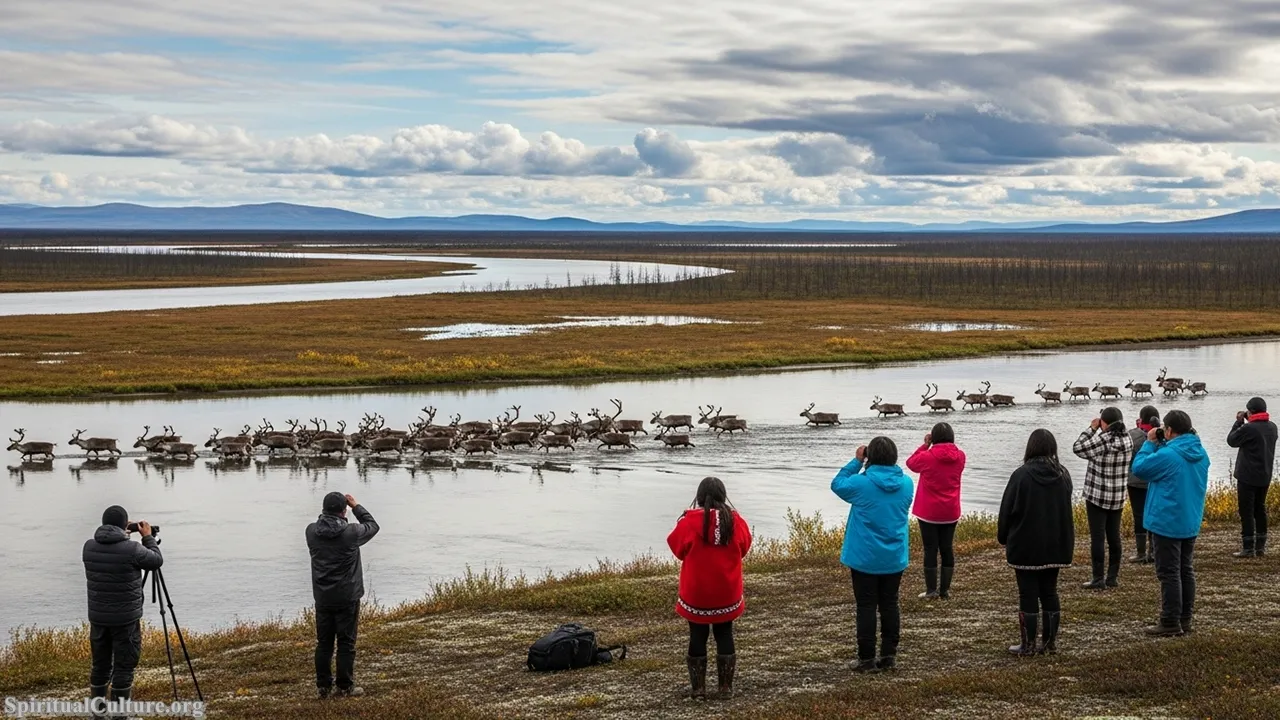
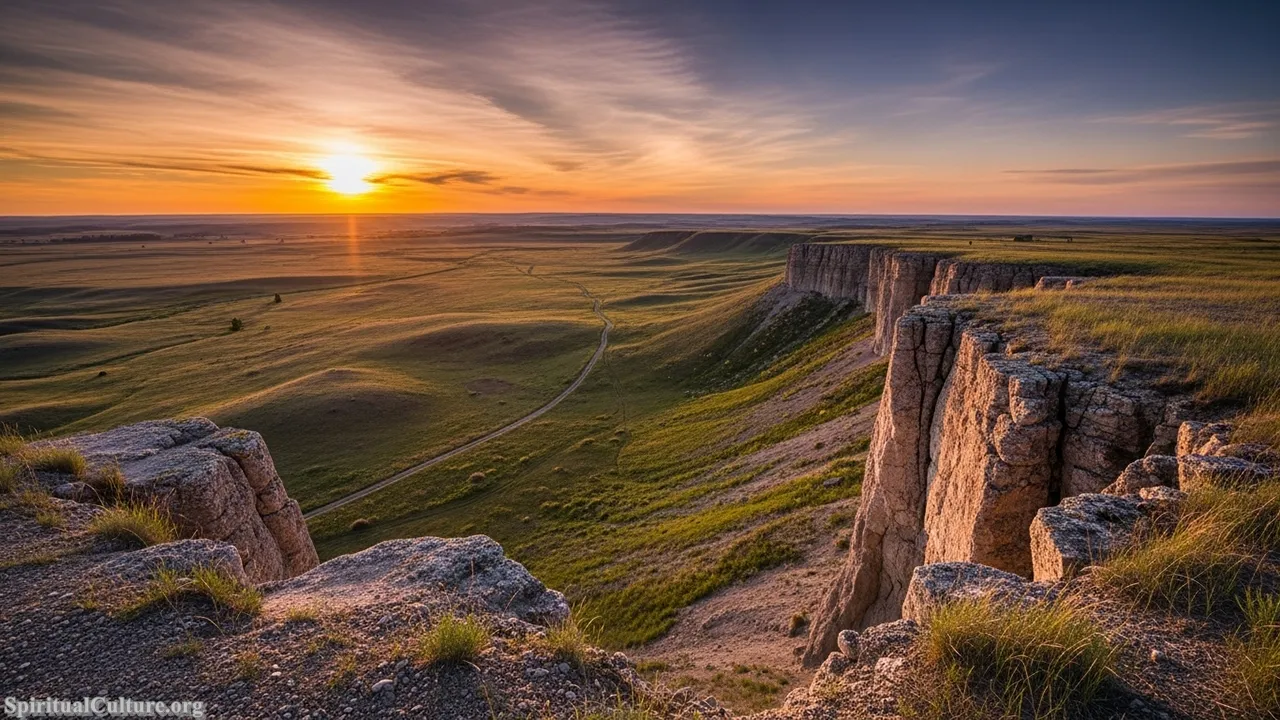
Mountains, rivers, islands, rock formations, burial places, ceremonial grounds, and travel routes can carry sacred responsibilities. Meaning differs by nation, and some locations or teachings are intentionally not made public.
Publicly documented heritage places
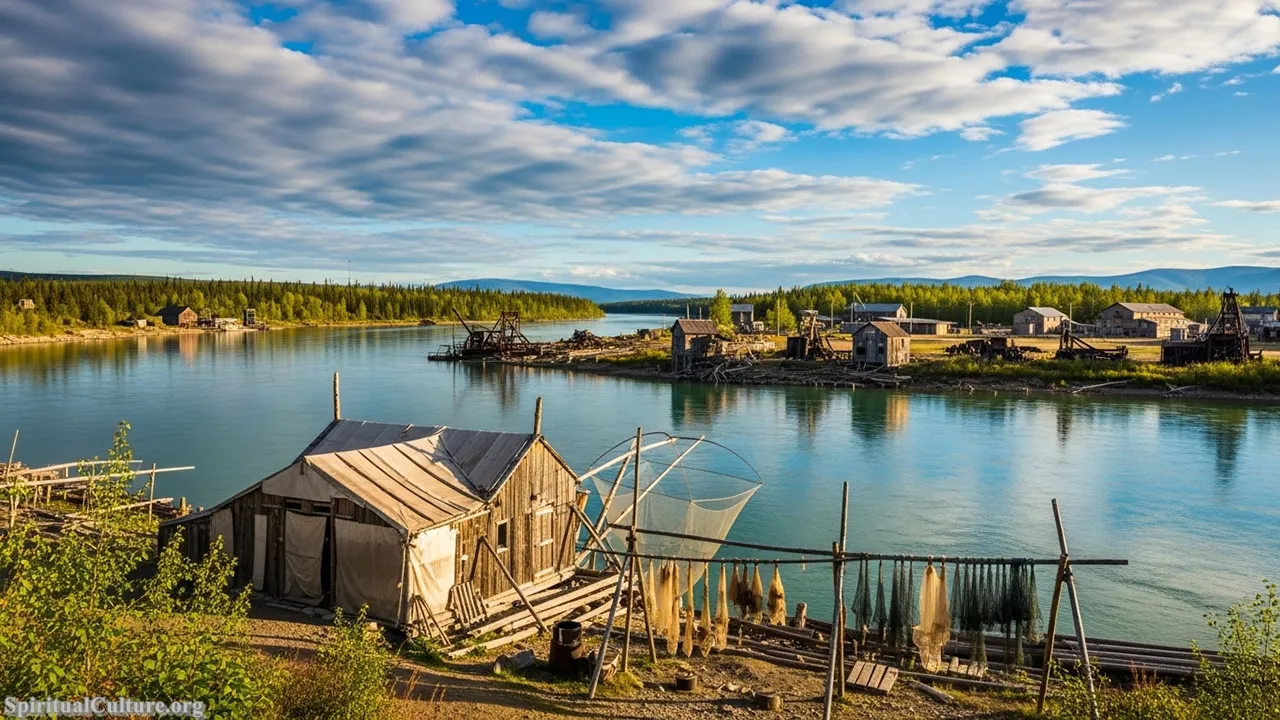
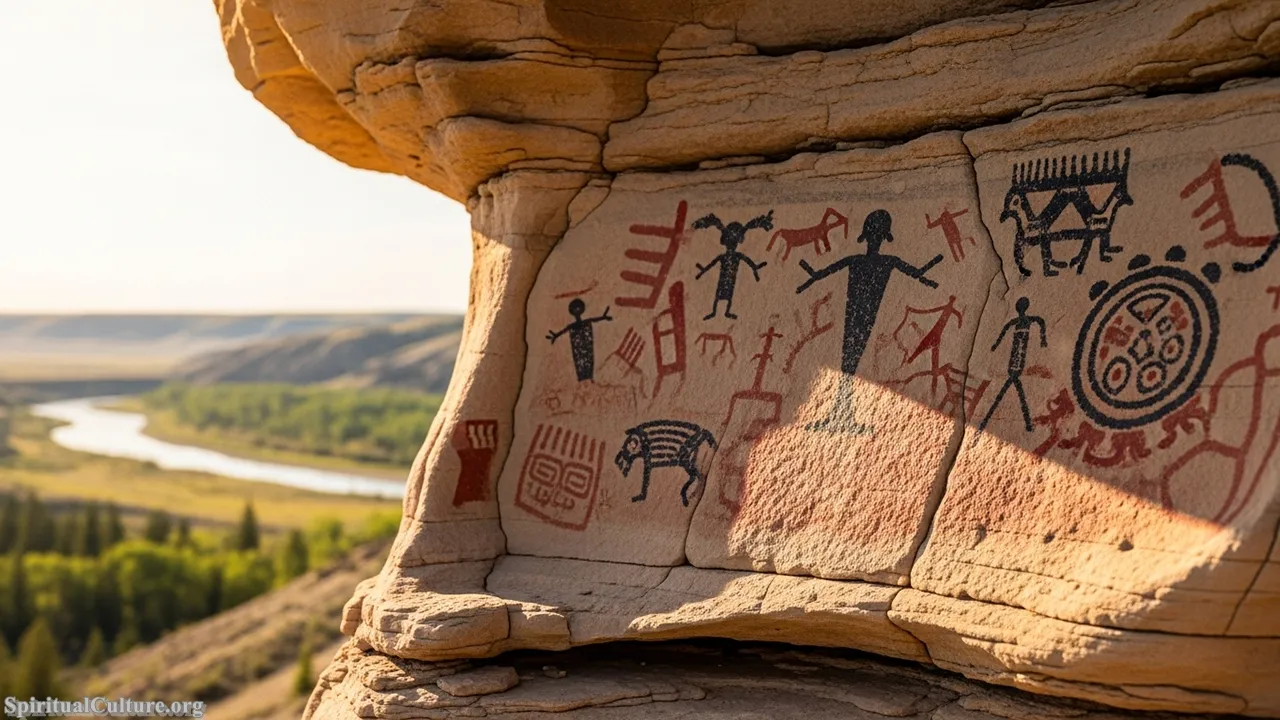
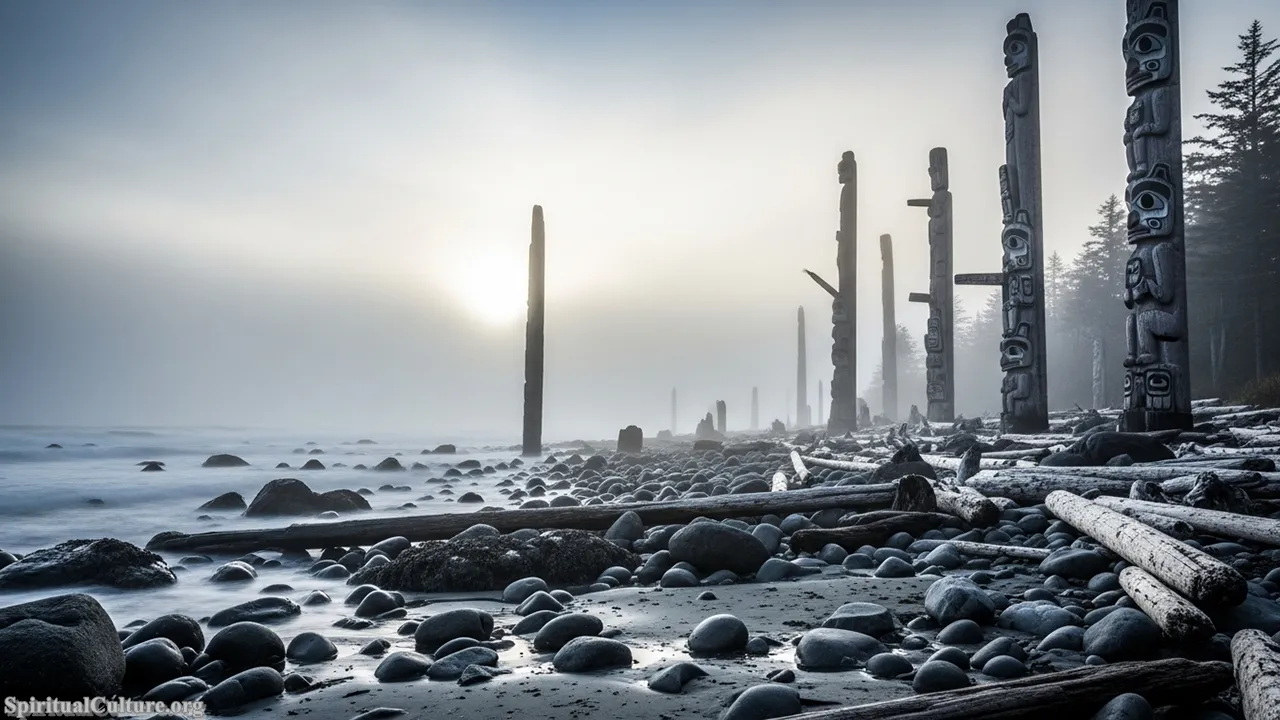
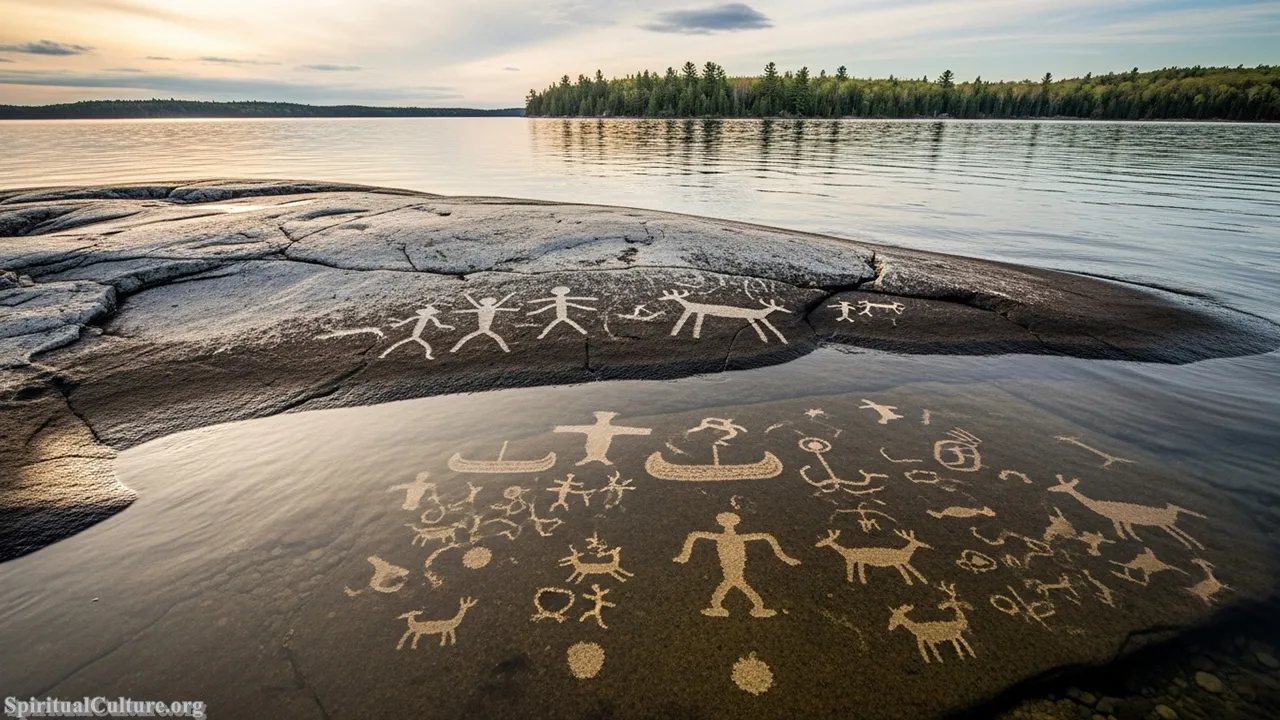
Áísínai’pi/Writing-on-Stone is a Blackfoot cultural landscape with rock art and enduring spiritual significance. SGang Gwaay preserves Haida village remains within a living Haida cultural world. Other publicly interpreted sites document relationships among land, ceremony, hunting, ancestors, and oral history.
Colonial disruption and renewal
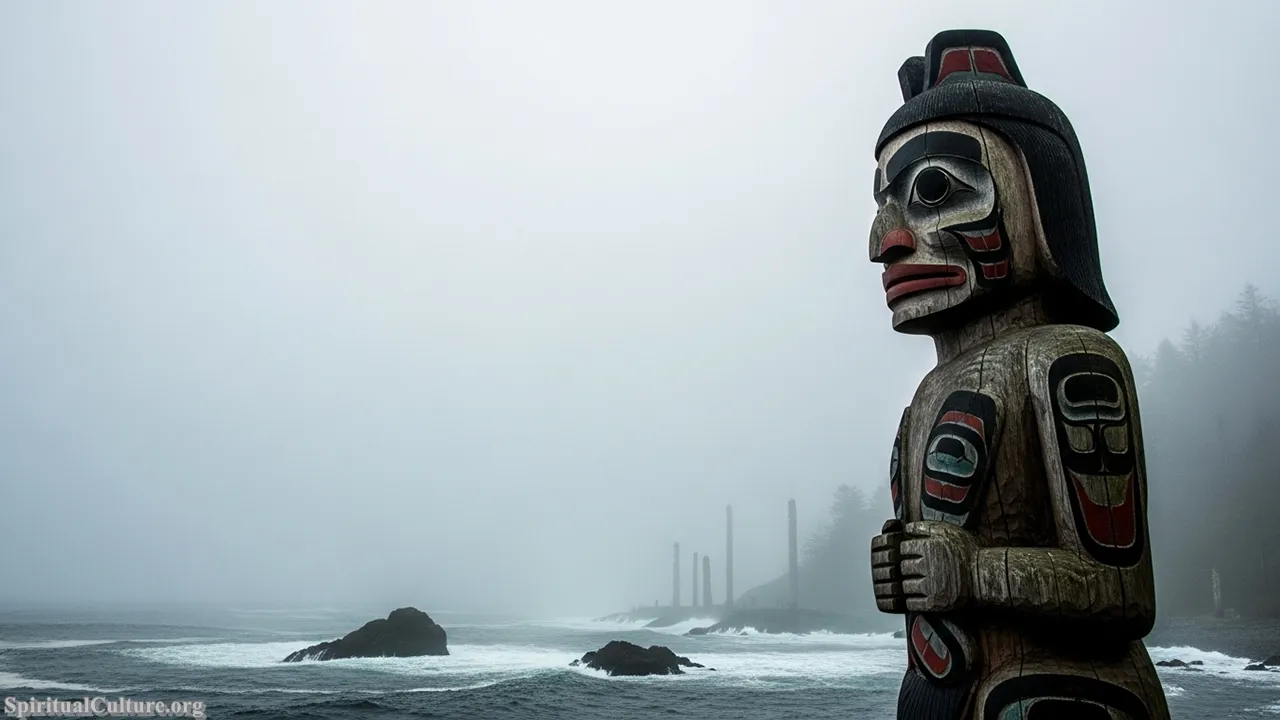
Residential schools, land dispossession, bans on ceremonies, and missionary policies disrupted many Indigenous spiritual traditions. Contemporary cultural renewal includes language, ceremony, land-based teaching, repatriation, and the protection of sacred places.
Respectful visitation
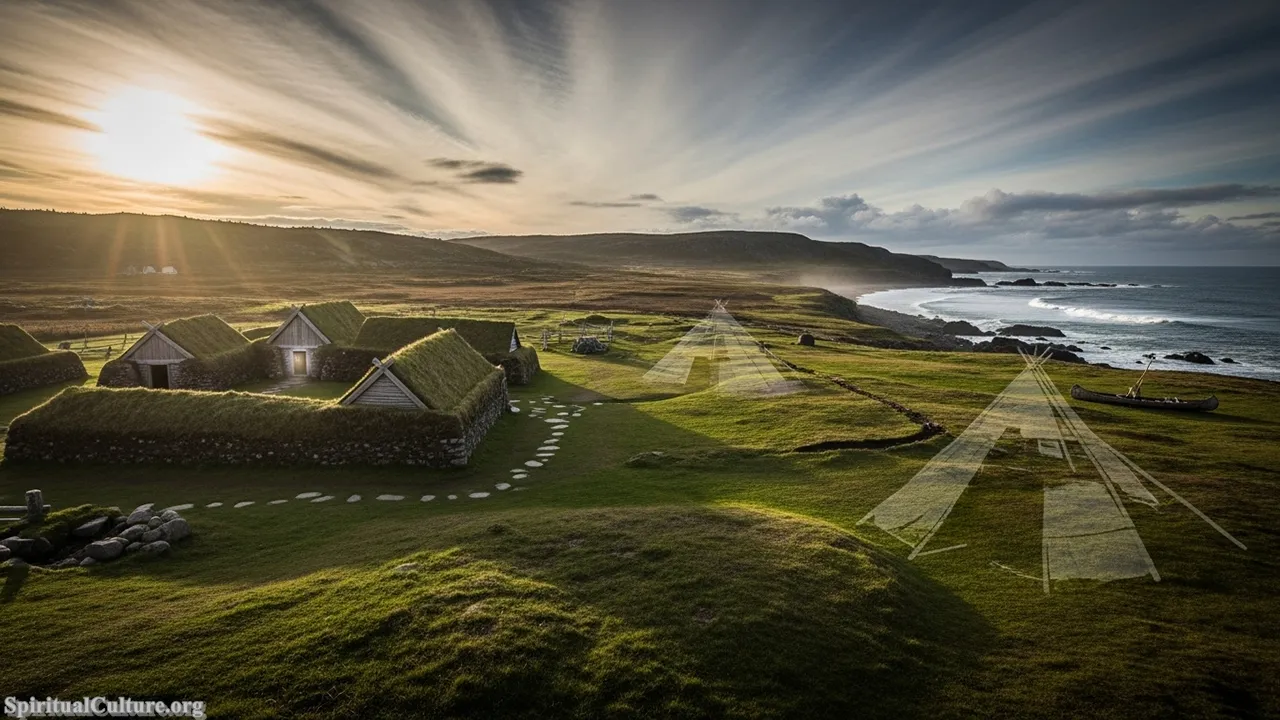
Visitors should follow the guidance of the nation responsible for a site. Photography, access, climbing, touching objects, or publishing stories may be restricted. Cultural heritage is not automatically public property.
Sacred meaning, heritage, and preservation
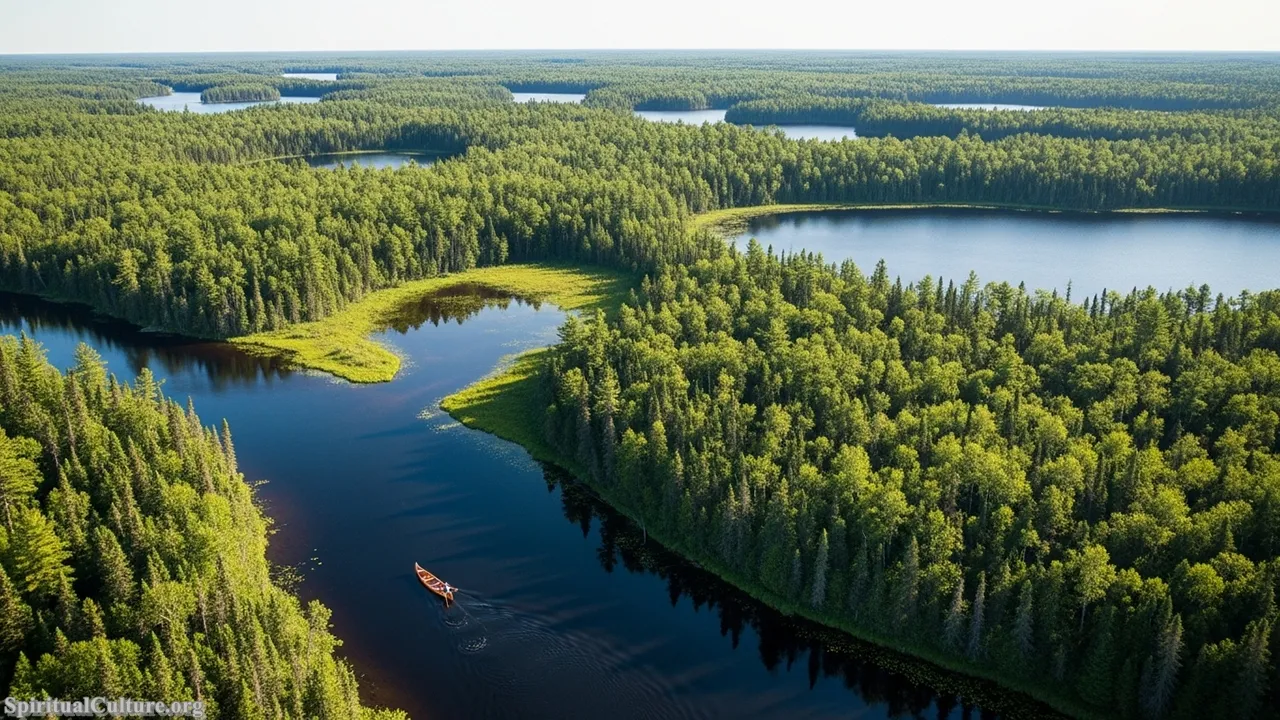
Indigenous sacred places in Canada are connected with nation-specific law, memory, ceremony, and responsibility to land. Colonial dispossession and restrictions on ceremony disrupted many relationships, while contemporary protection may involve language renewal, land-based teaching, repatriation, and Indigenous-led interpretation. Public heritage status does not make restricted teachings or sacred practices open for unrestricted use.
Editorial Scope
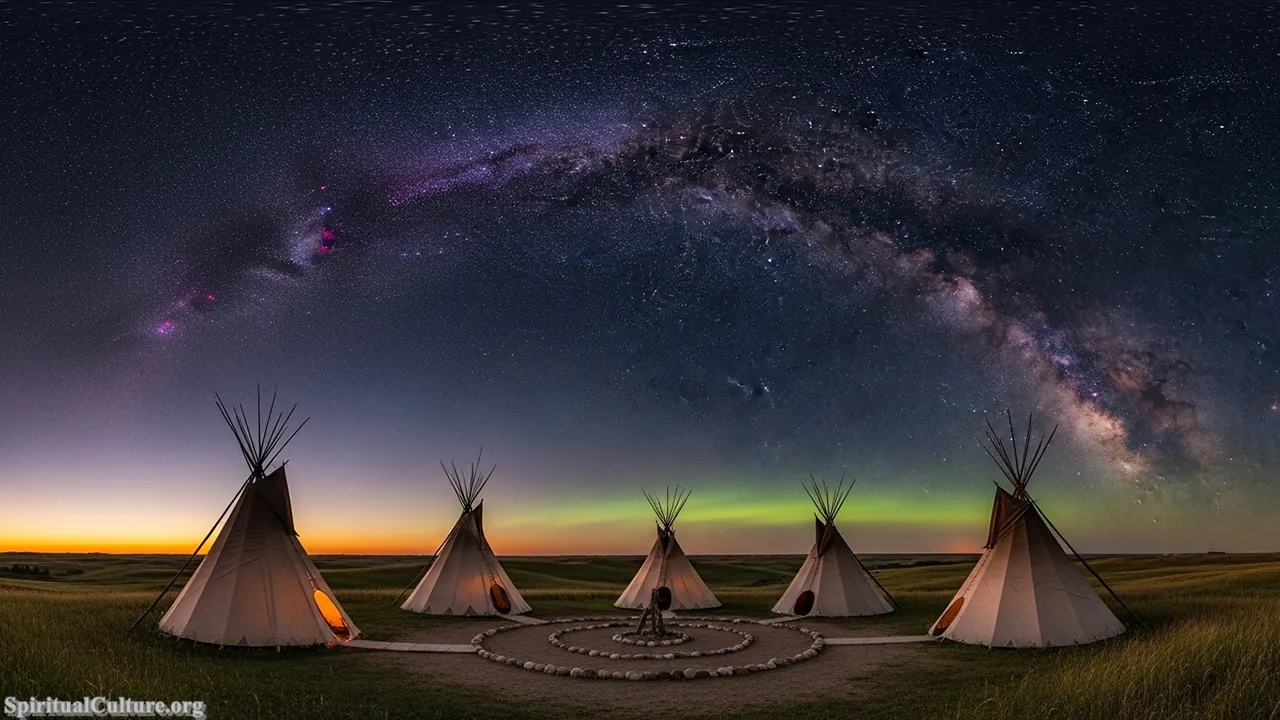
The discussion approaches these sites through living Indigenous traditions and community authority. The goal is to explain why a place matters spiritually and historically while avoiding the assumption that every story, ceremony, or location should be exposed for tourism or general consumption.