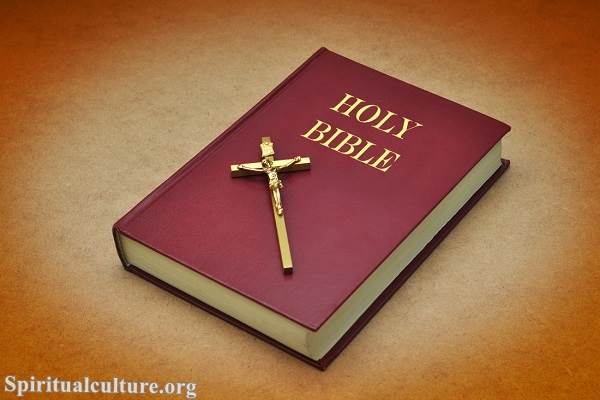
North America contains many spiritual traditions shaped by Indigenous nations, European colonization, African diasporas, migration, revival movements, and modern secularization. No single religious story can represent the continent.
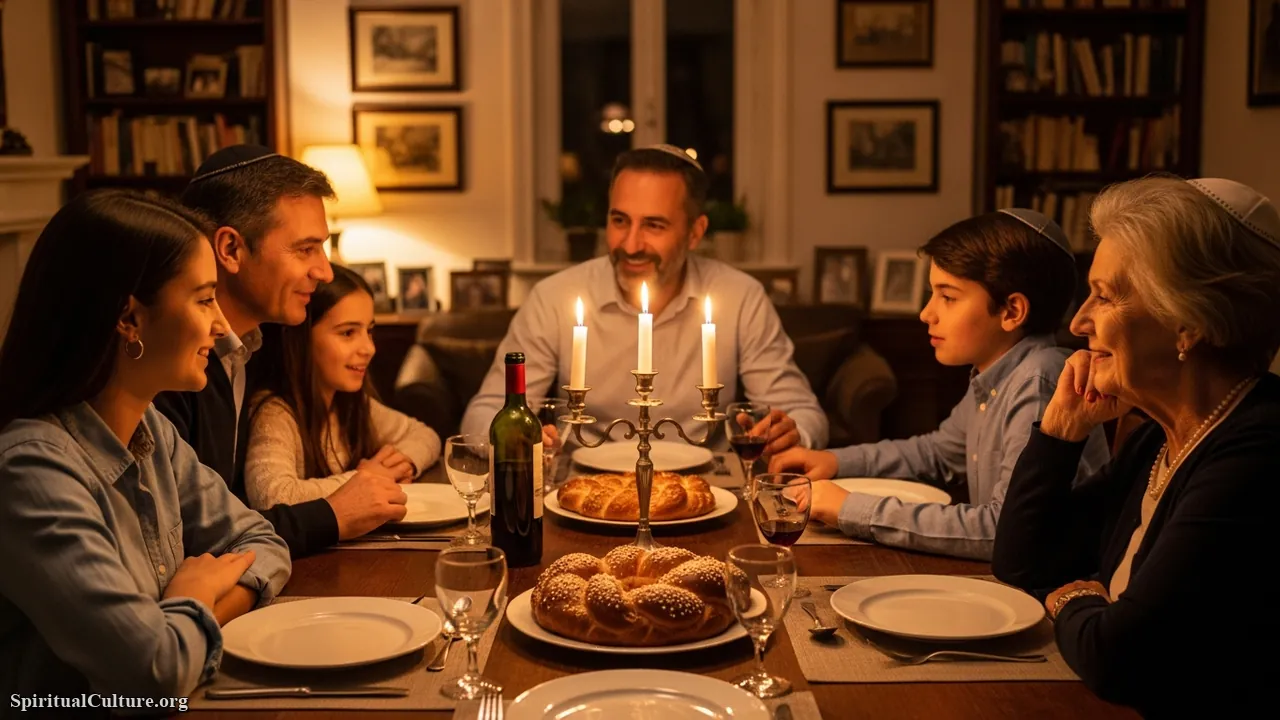
Indigenous religions and sacred lands
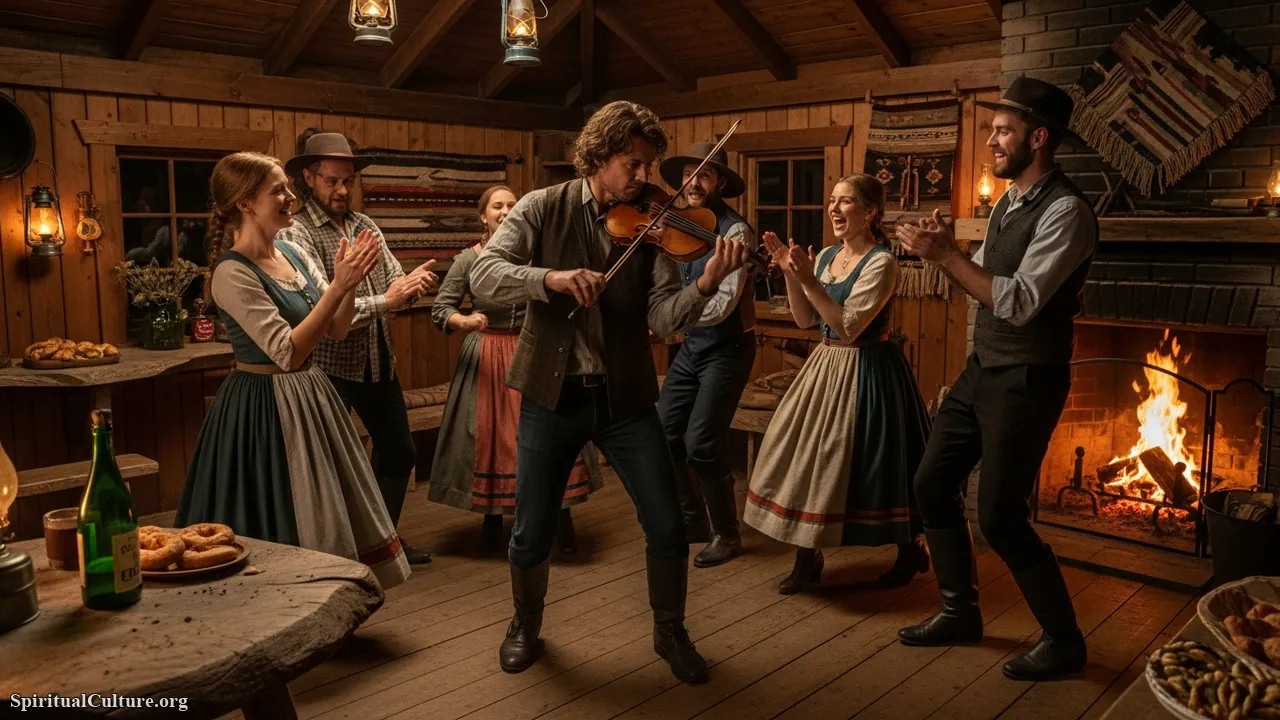
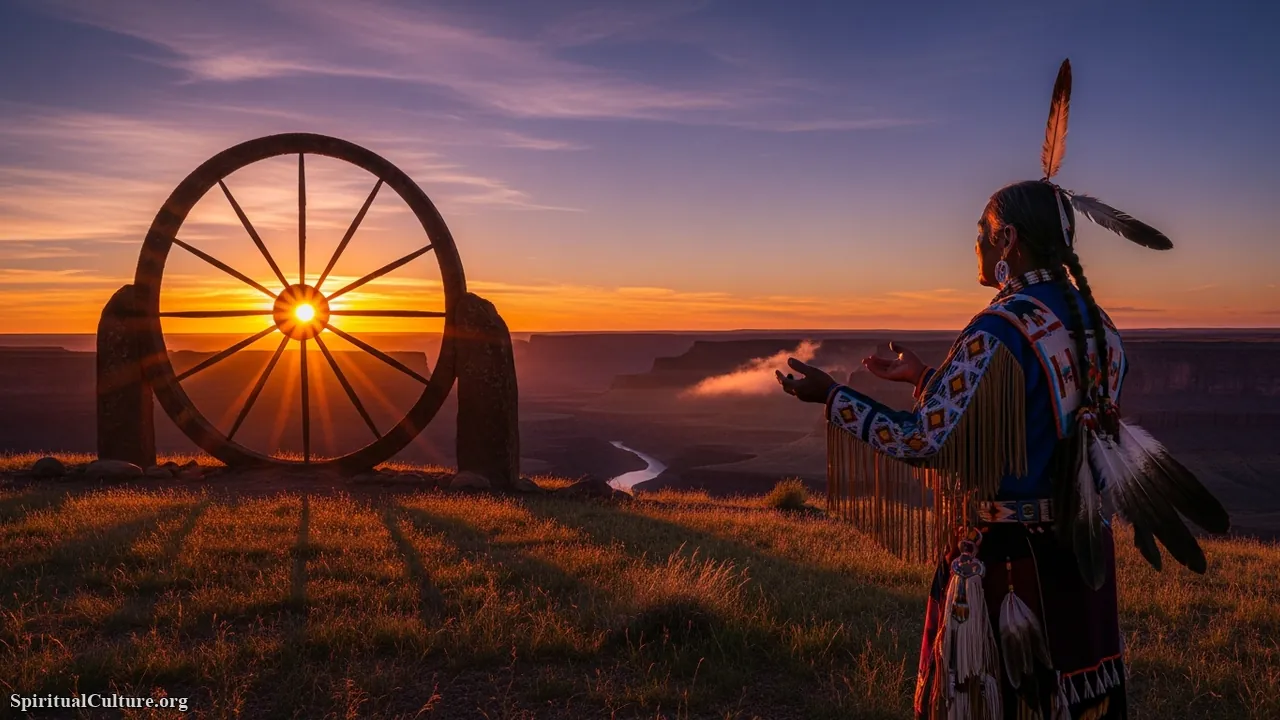
First Nations, Inuit, Métis, Native American, Alaska Native, and other Indigenous peoples maintain distinct ceremonial systems, sacred narratives, kinship responsibilities, and relationships with land. Some ceremonies and locations are public; others are restricted to community members.
Christianity in many forms
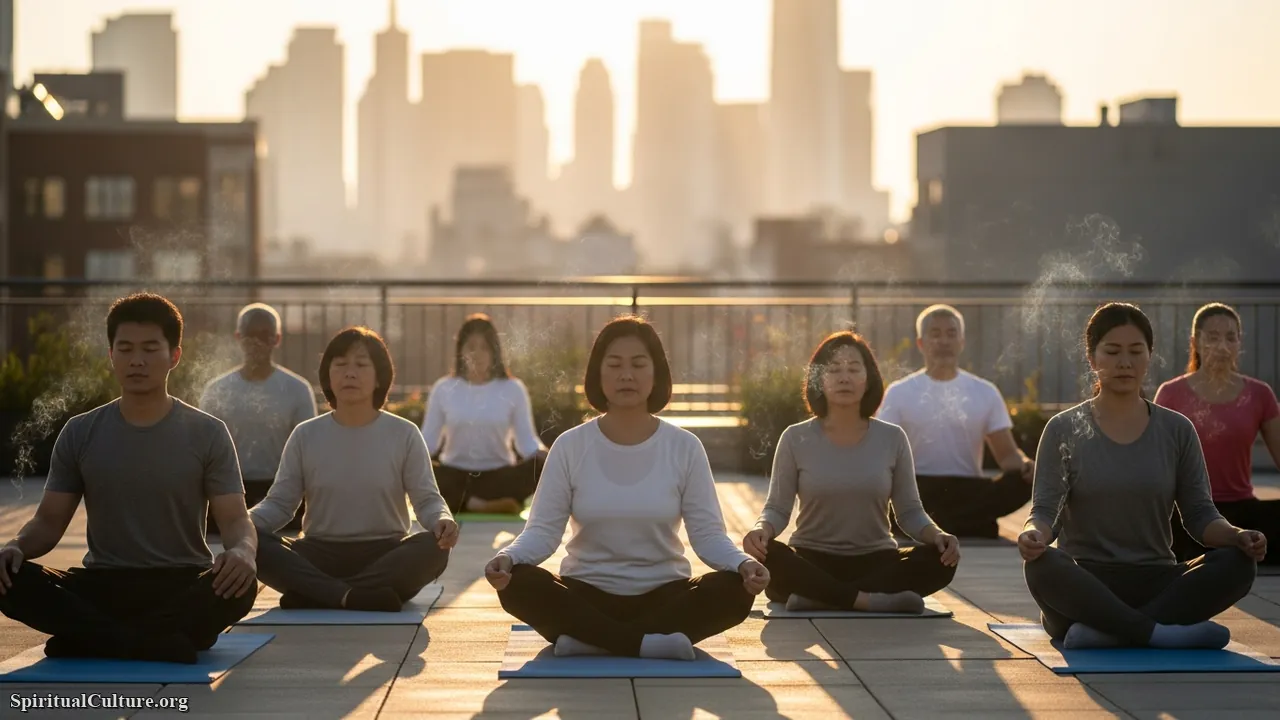
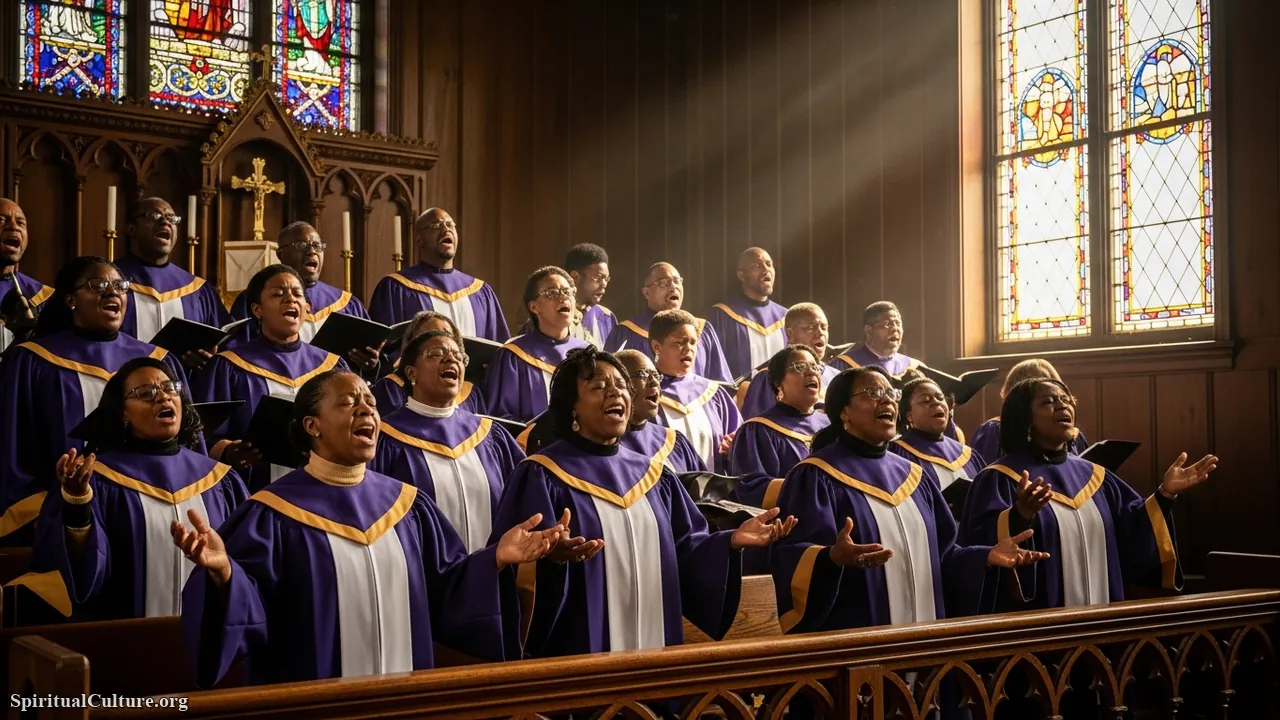
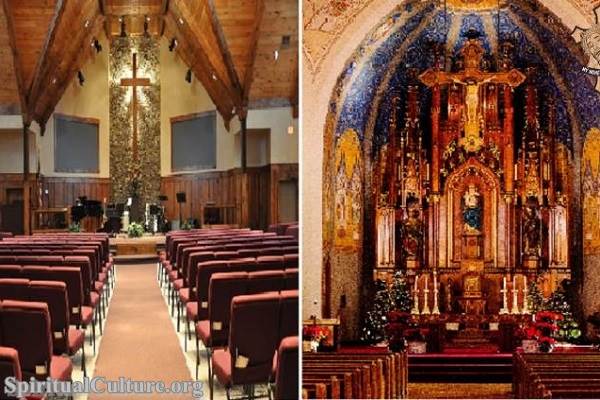
Catholic, Orthodox, Anglican, Protestant, evangelical, Pentecostal, Black church, Latter-day Saint, and independent Christian traditions have all shaped the continent. Christianity is expressed through parishes, revivals, missions, pilgrimage, social activism, education, and family practice.
Migration and religious pluralism

Jewish, Muslim, Hindu, Sikh, Buddhist, Jain, Bahá’í, and other communities have grown through migration as well as long-standing local histories. Major cities often contain dense networks of mosques, synagogues, temples, gurdwaras, churches, and meditation centers.
Living heritage and public life
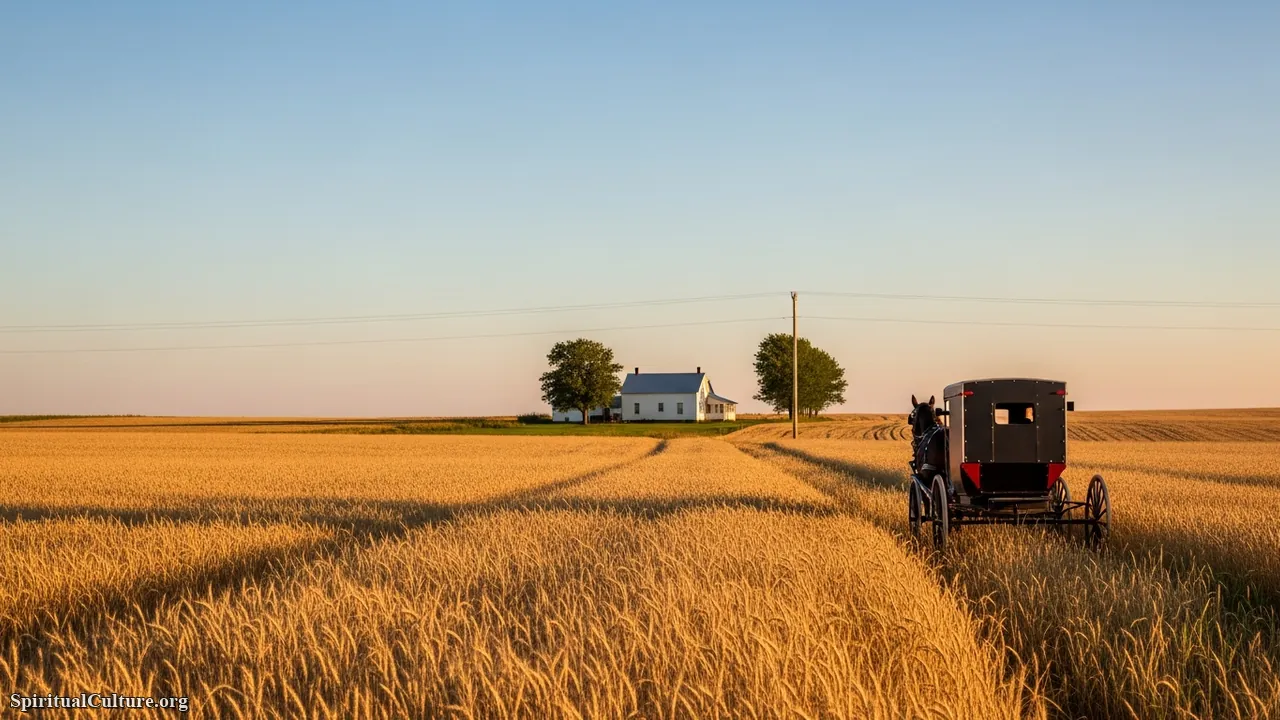
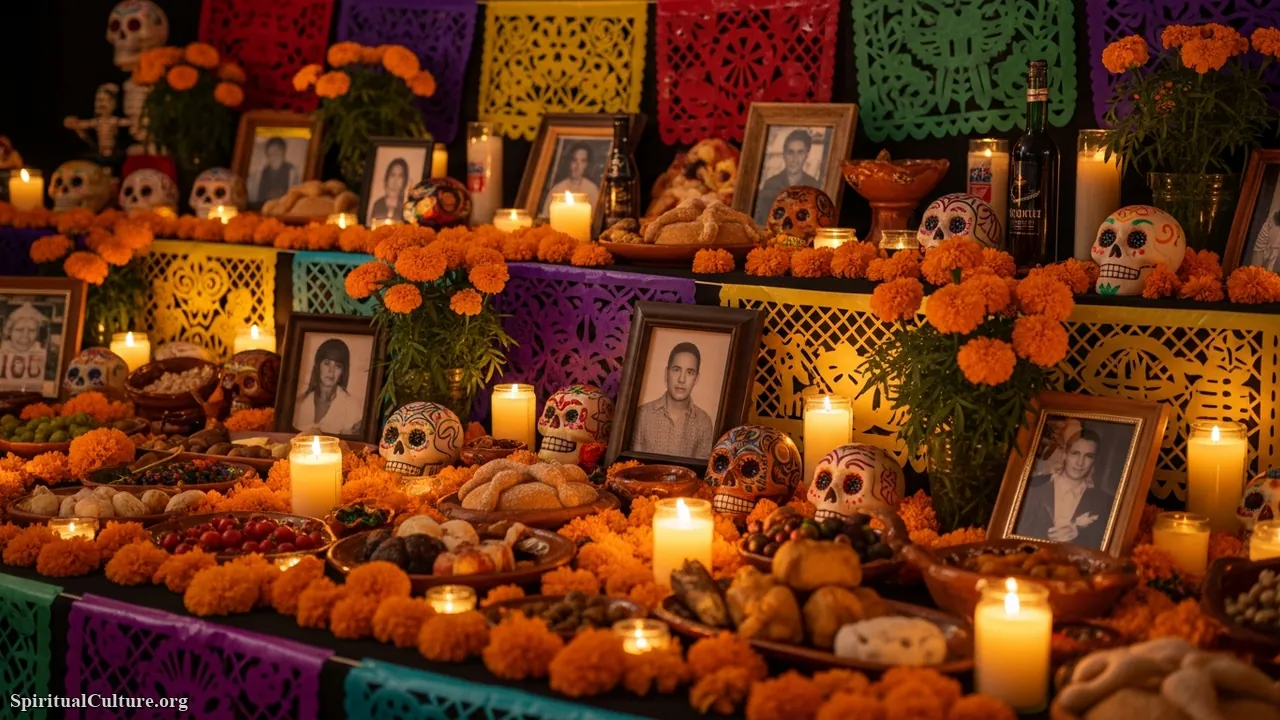
Religious holidays, Indigenous ceremonies, sacred landscapes, civil commemorations, and debates about religious freedom all connect spirituality with public culture. The balance differs across Canada, the United States, Mexico, the Caribbean, and Indigenous territories.
Country, territory, and community differences
North America contains very different religious histories. The United States developed through Indigenous dispossession, Protestant and Catholic settlement, slavery, revival movements, immigration, and constitutional debates about religion. Canada has its own colonial and Indigenous histories as well as strong Catholic, Protestant, Sikh, Muslim, Hindu, Buddhist, Jewish, and other communities. Mexico and much of Central America have deep Catholic histories alongside rapidly growing Protestant and Pentecostal movements and enduring Indigenous traditions.
The Caribbean adds further Christian, African diasporic, Hindu, Muslim, and local traditions shaped by colonialism, slavery, indenture, and migration. Treating the continent as a single religious market would erase these differences.
Colonialism, migration, and religious freedom
Religious freedom is an important public ideal across much of the region, but different communities have experienced it unevenly. Indigenous ceremonies were suppressed by colonial governments, African religious traditions survived slavery under severe pressure, minority immigrants faced exclusion, and new religious movements have often been contested.
Modern migration has created dense transnational networks of churches, mosques, temples, gurdwaras, synagogues, and meditation centers. These institutions preserve language and memory while also adapting to new generations and interfaith neighborhoods.
Comparison without flattening traditions

Religious comparison in North America requires attention to nation, migration history, and legal context. Haudenosaunee ceremonial life, Diné traditions, Catholicism in Mexico, Black church traditions in the United States, and Sikh communities in Canada cannot be reduced to interchangeable categories. Population figures can describe scale, but they do not capture the authority of sacred places, oral traditions, or minority institutions.
Beyond a cultural ranking
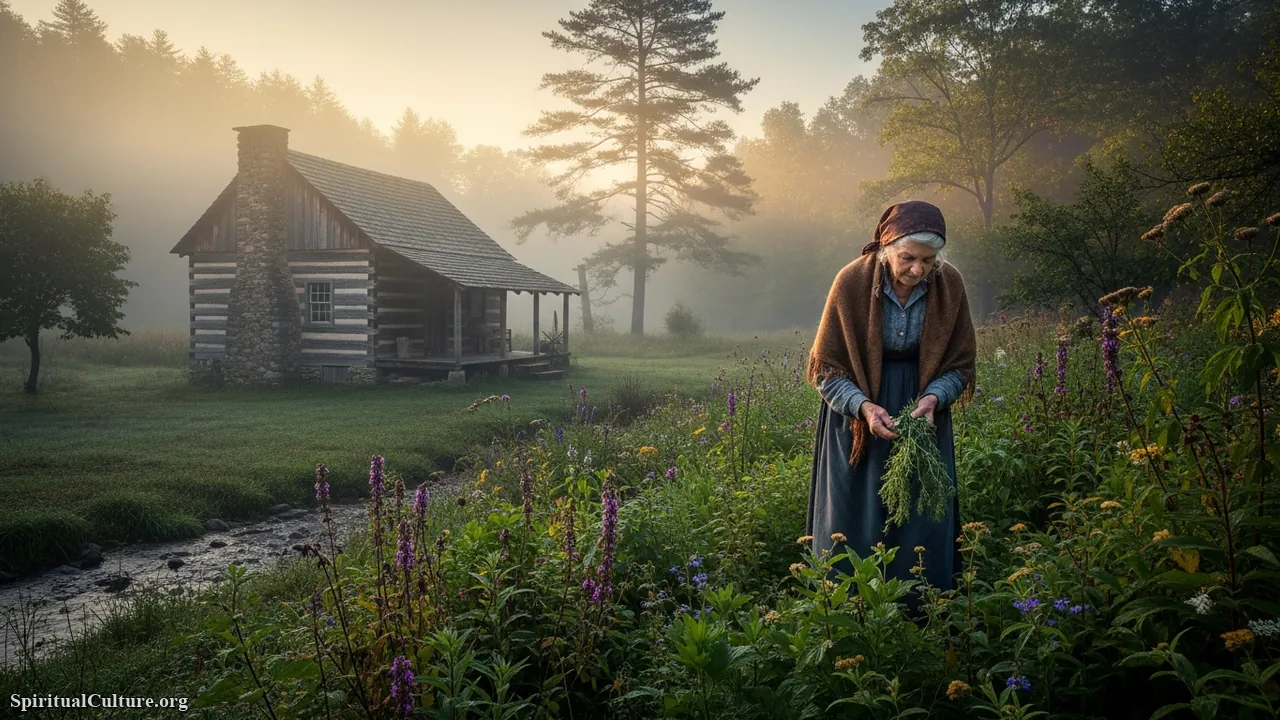
A useful overview focuses on communities, sacred places, and historical relationships rather than ranking entire cultures as more influential than others.