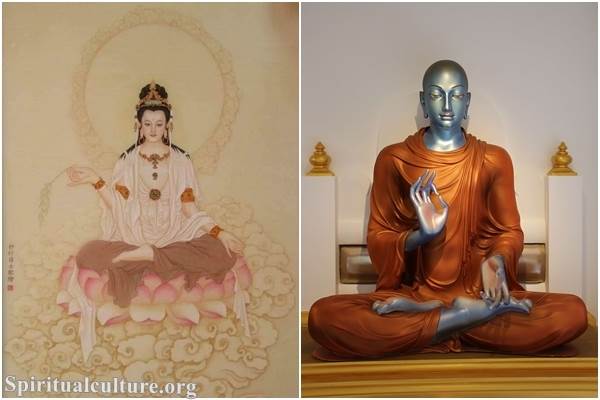
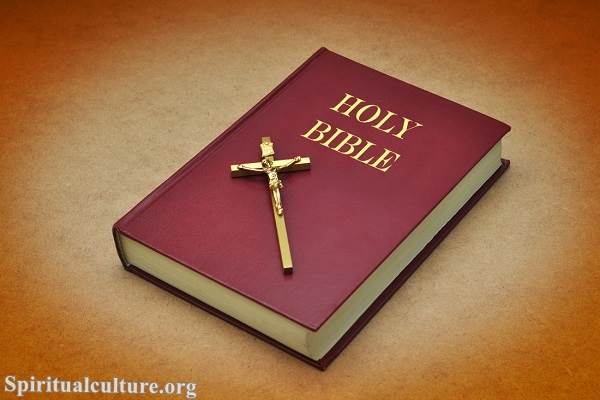
Canada’s spiritual culture combines the sacred traditions of Indigenous peoples with Christianity, Judaism, Islam, Sikhism, Hinduism, Buddhism, and many other religions shaped by migration.
Indigenous spiritual traditions

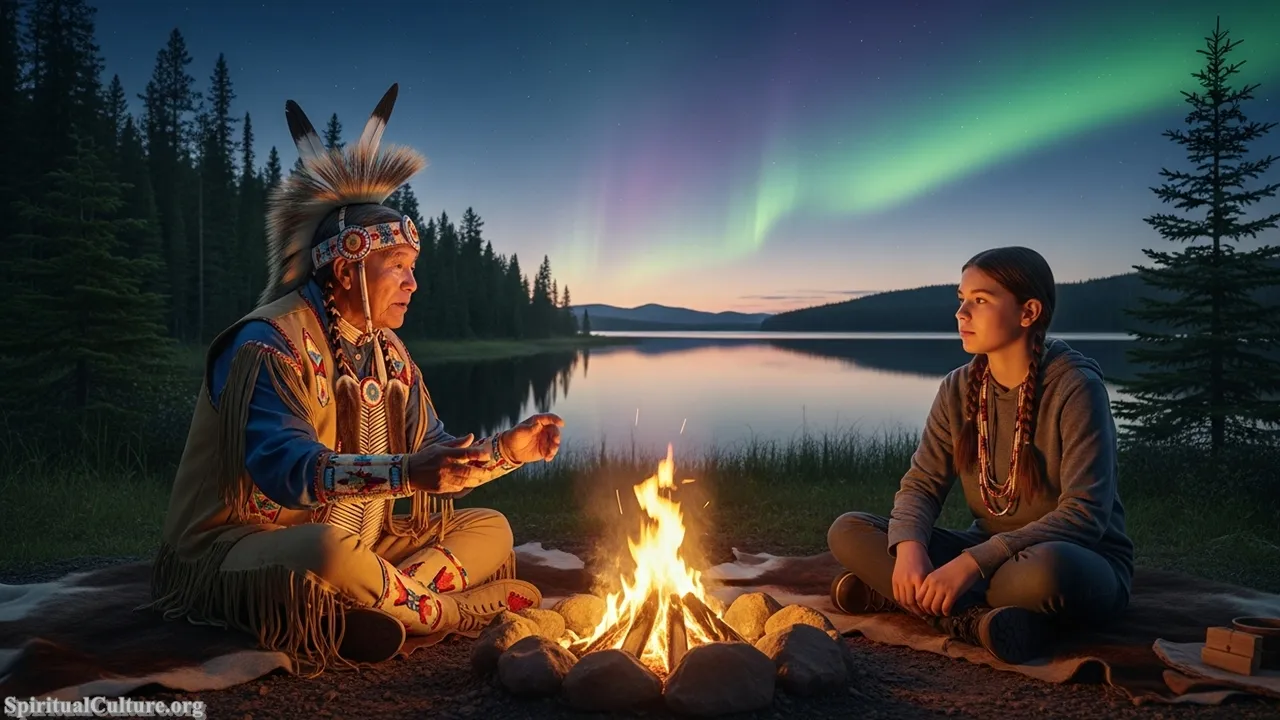
First Nations, Inuit, and Métis traditions are diverse and nation-specific. Ceremonies, oral histories, sacred places, kinship, ancestors, and relationships with land remain central for many communities. Colonial policies and residential schools disrupted religious life, making cultural and spiritual revitalization especially significant today.
Christian histories
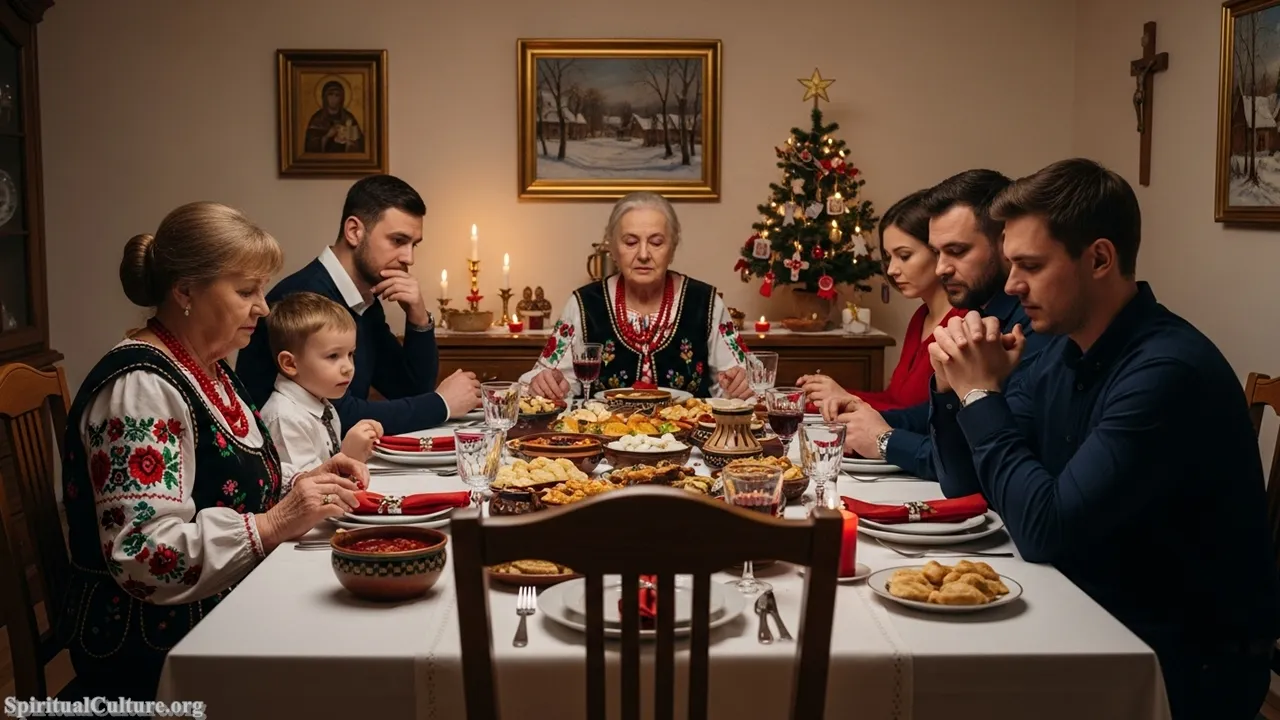
Catholic, Anglican, Orthodox, Protestant, evangelical, and other Christian traditions helped shape institutions and settlement histories. Christian communities also face ongoing reckoning with the role churches played in colonial systems and residential schools.
Multicultural religious life

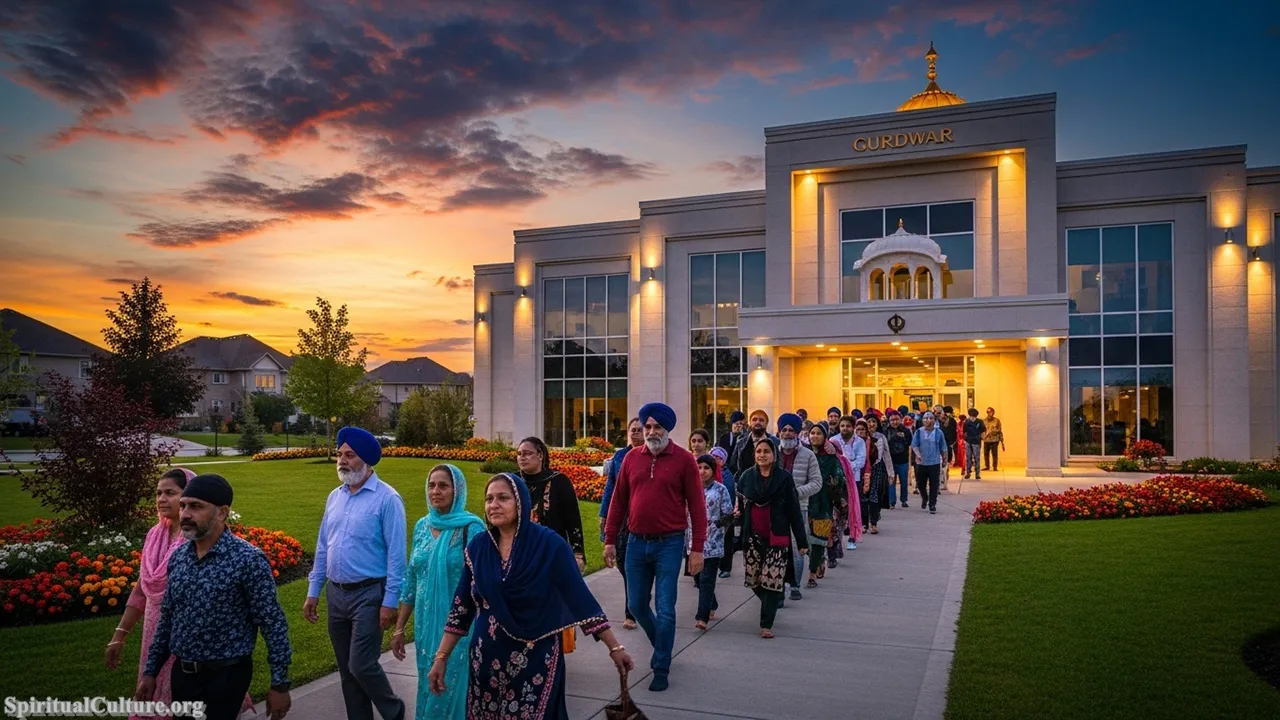
Sikh, Muslim, Hindu, Buddhist, Jewish, and other communities are especially visible in major metropolitan regions. Gurdwaras, mosques, temples, synagogues, churches, and meditation centers often function as cultural as well as religious institutions.
Sacred heritage and public culture
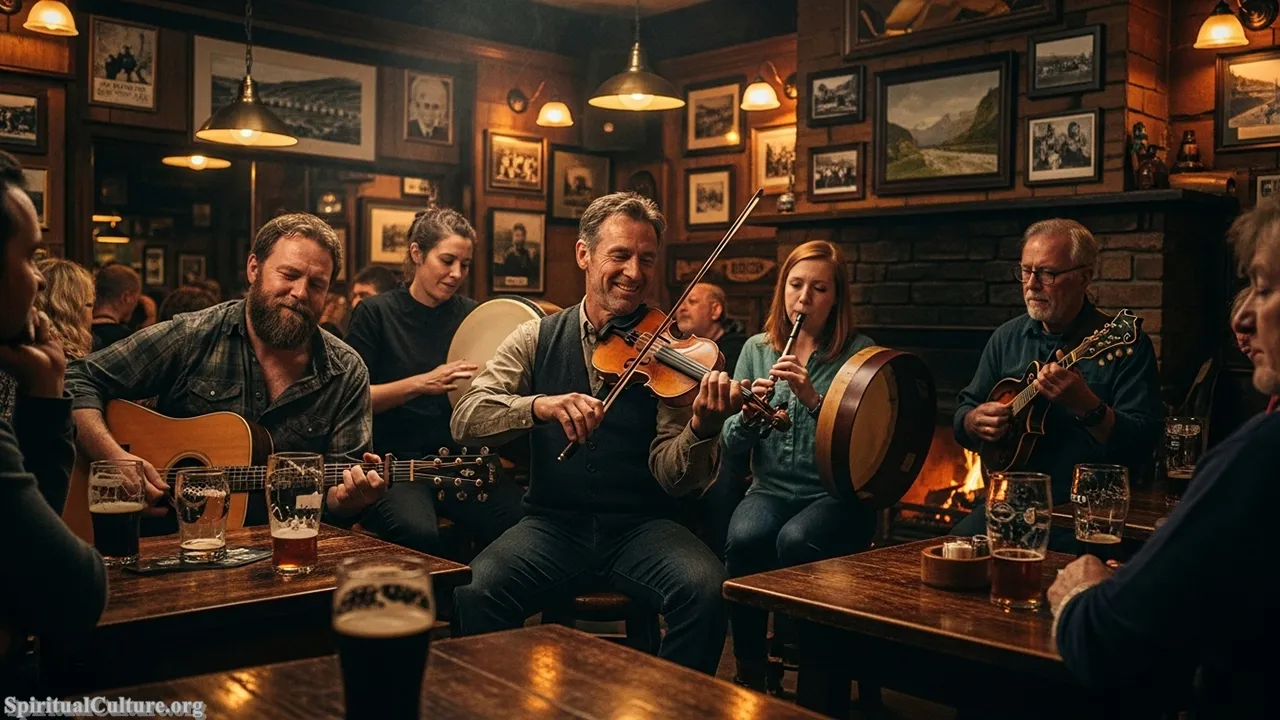
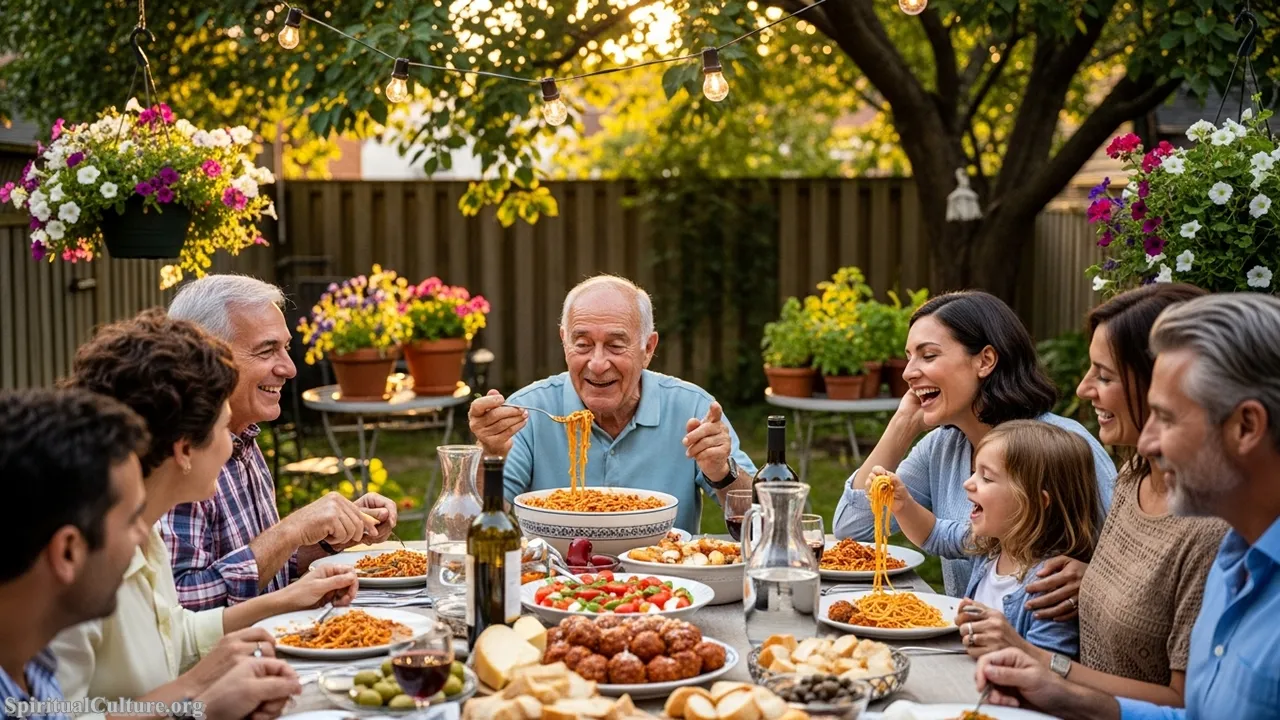
Pilgrimage, powwows and Indigenous ceremonies, religious holidays, memorial practices, food traditions, and community service connect spirituality with Canadian public life. Some Indigenous sacred knowledge is not intended for general publication or tourism.
Regional diversity and migration
Canada’s religious landscape differs sharply by province, city, migration history, and Indigenous territory. Quebec’s Catholic heritage developed differently from Protestant histories in much of English-speaking Canada, while western and metropolitan regions have been transformed by Sikh, Muslim, Hindu, Buddhist, Orthodox, and other immigrant communities. Jewish communities have long urban histories, and contemporary Christianity includes Catholic, Anglican, United, evangelical, Orthodox, Pentecostal, and many smaller traditions.
Migration has created transnational religious networks in which temples, gurdwaras, mosques, churches, and cultural associations maintain ties to communities abroad while adapting to Canadian institutions and younger generations.
Indigenous sovereignty, reconciliation, and sacred land
First Nations, Inuit, and Métis spiritual traditions must be understood through specific nations and communities rather than a single category of “Indigenous religion.” Colonial bans on ceremonies, residential schools, land dispossession, and missionary pressure disrupted many traditions, while revitalization efforts today may involve language, ceremony, repatriation, land-based teaching, and community-controlled cultural knowledge.
Some sacred places and ceremonies are not open to general visitors or publication. Respectful coverage therefore requires attention to Indigenous authority over what can be shared, as well as to the difference between public heritage interpretation and living religious responsibility.
Comparison without flattening traditions
Canada’s religious diversity is shaped by Indigenous nations, colonization, migration, and regional history. Inuit spiritual traditions, First Nations ceremonies, Catholic and Protestant institutions, Sikh gurdwaras, Muslim mosques, Hindu temples, Buddhist centers, and Jewish congregations each have different historical trajectories. Population size can show demographic change, but it does not by itself measure cultural or spiritual influence.
A better framework than ranking cultures
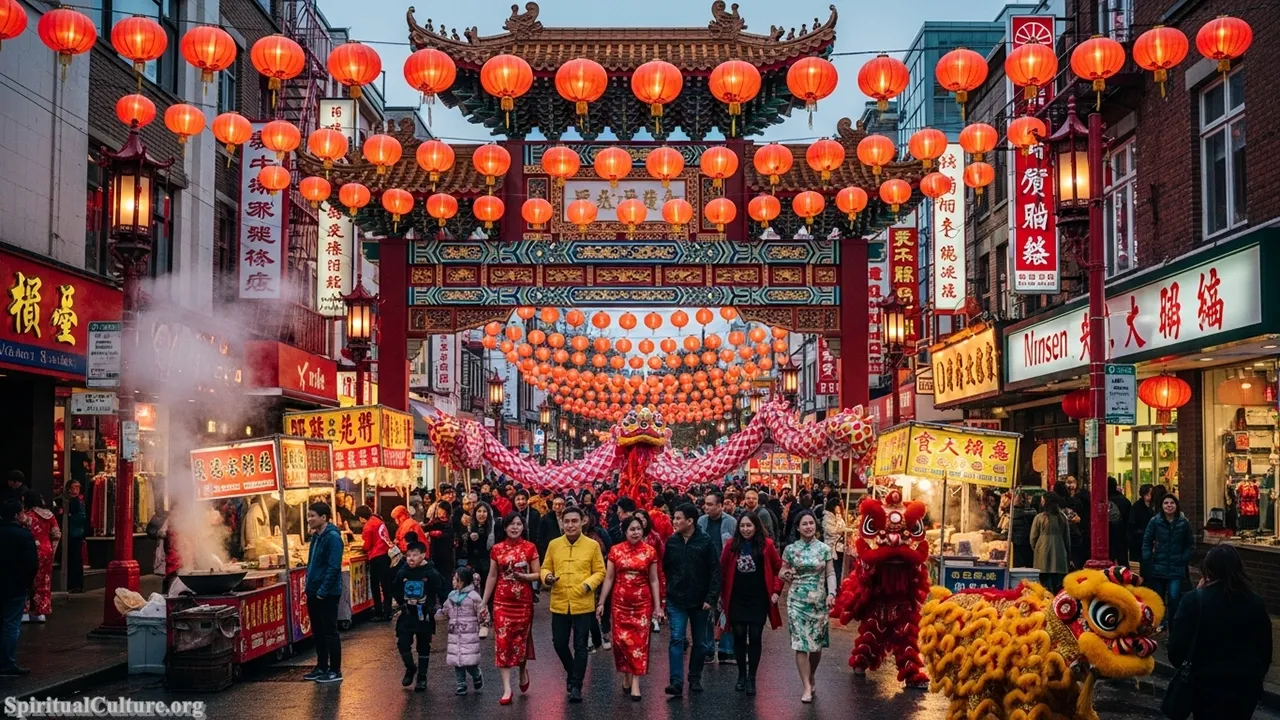
Canada’s religious diversity is best understood through living communities and historical relationships, not through a list of supposedly more influential cultures.