Qatar’s historic landscape includes Islamic sacred spaces, early settlements, forts, archaeological sites, and places connected with Gulf trade and community memory.
Mosques and Islamic heritage
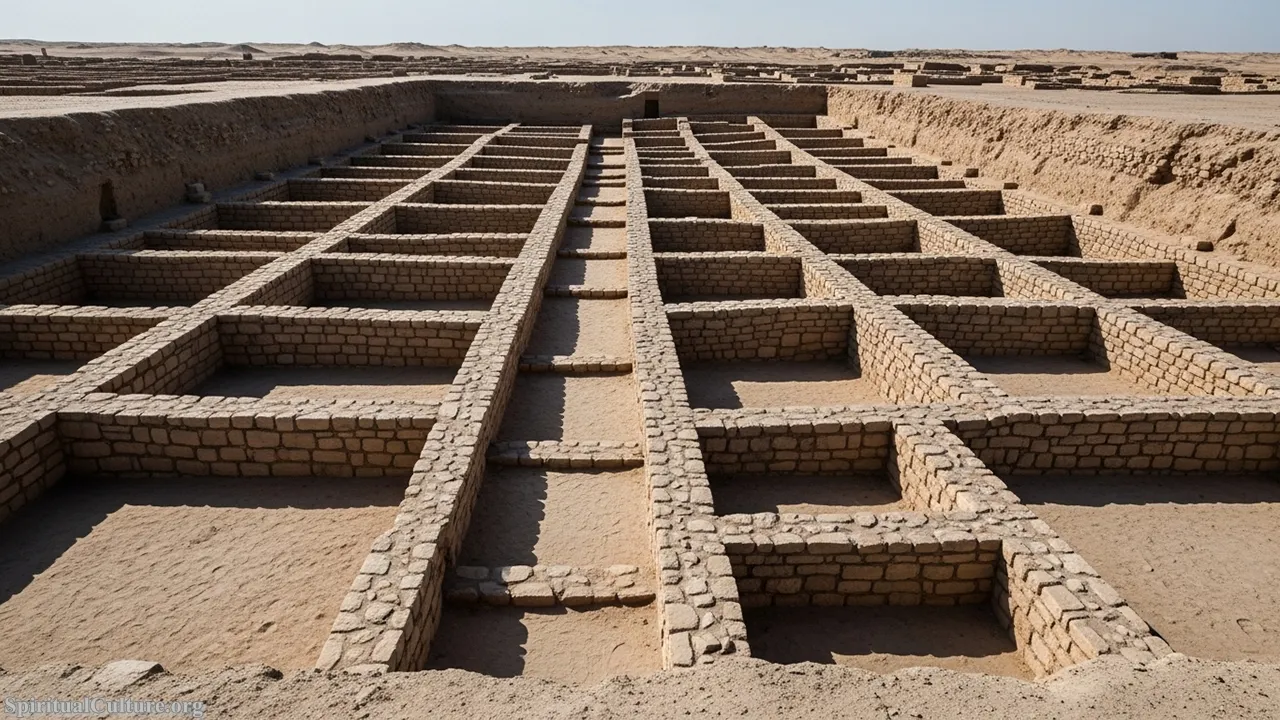
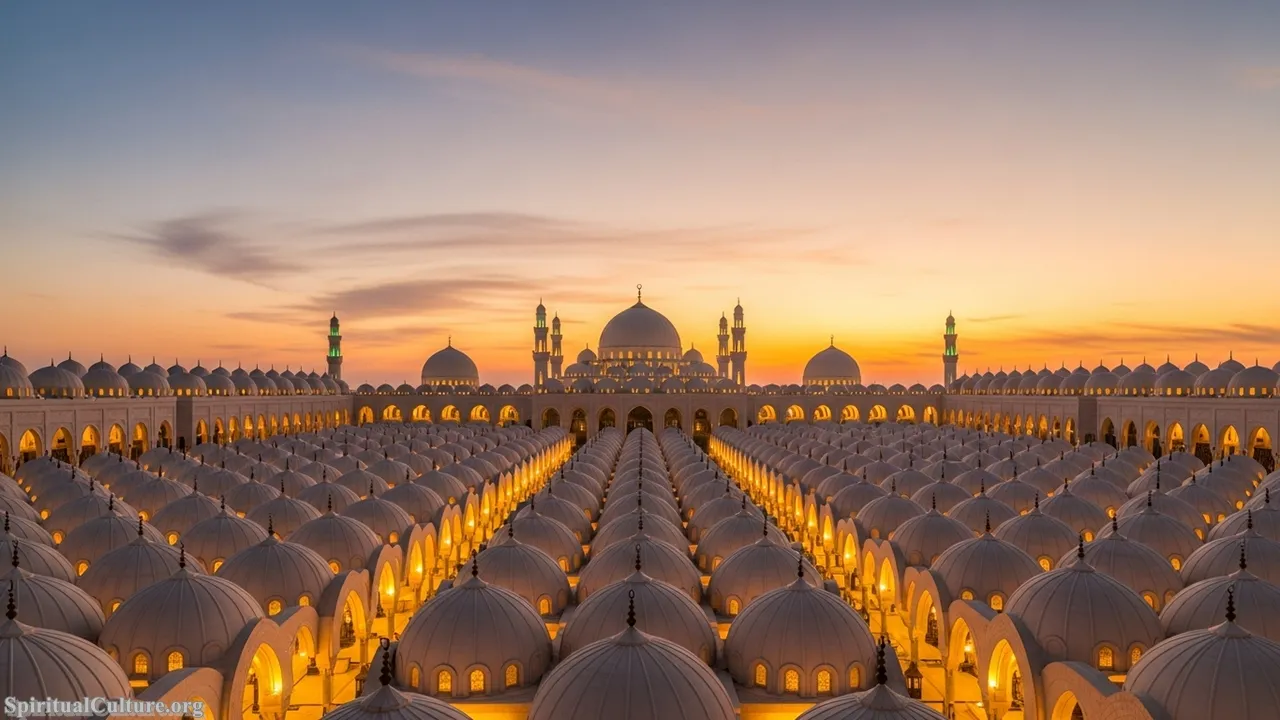
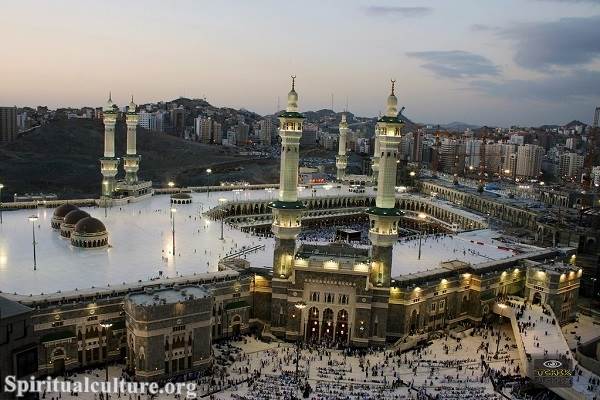
Historic neighborhood mosques and contemporary national mosques show the continuity of Islamic worship in Qatar. Religious architecture should be distinguished from museums and commercial attractions when discussing sacred heritage.
Al Zubarah and Gulf history
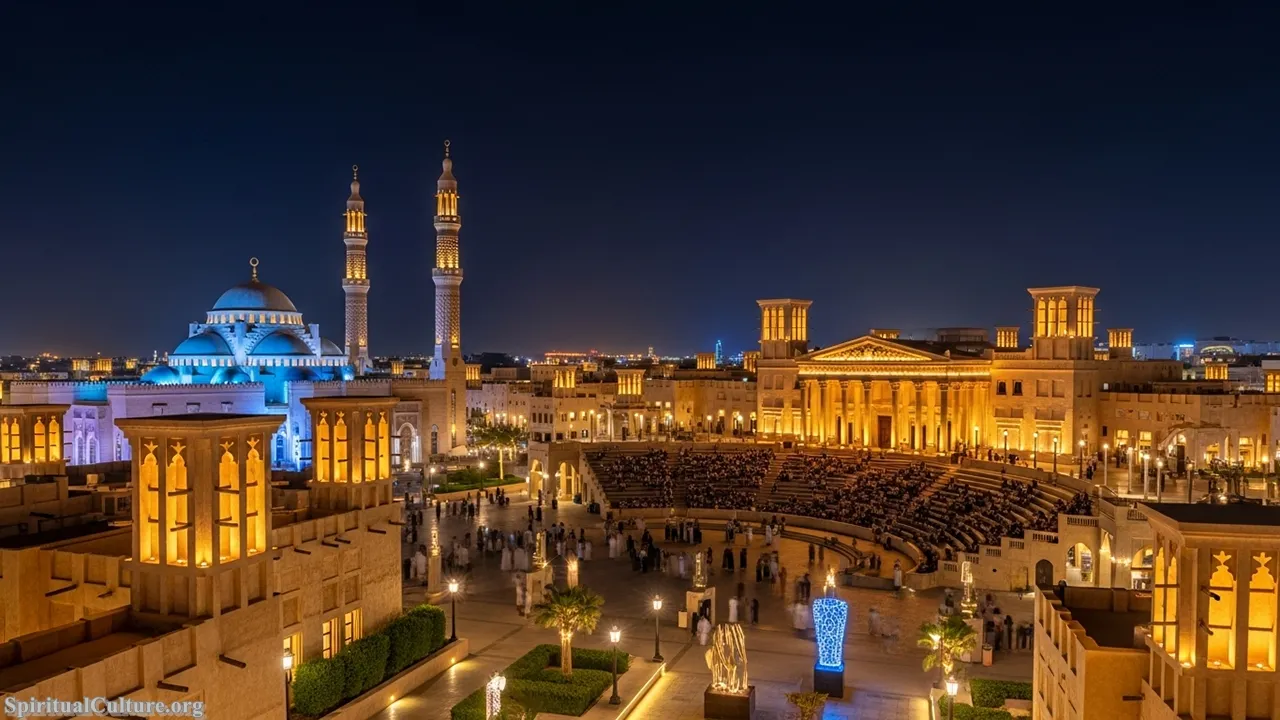
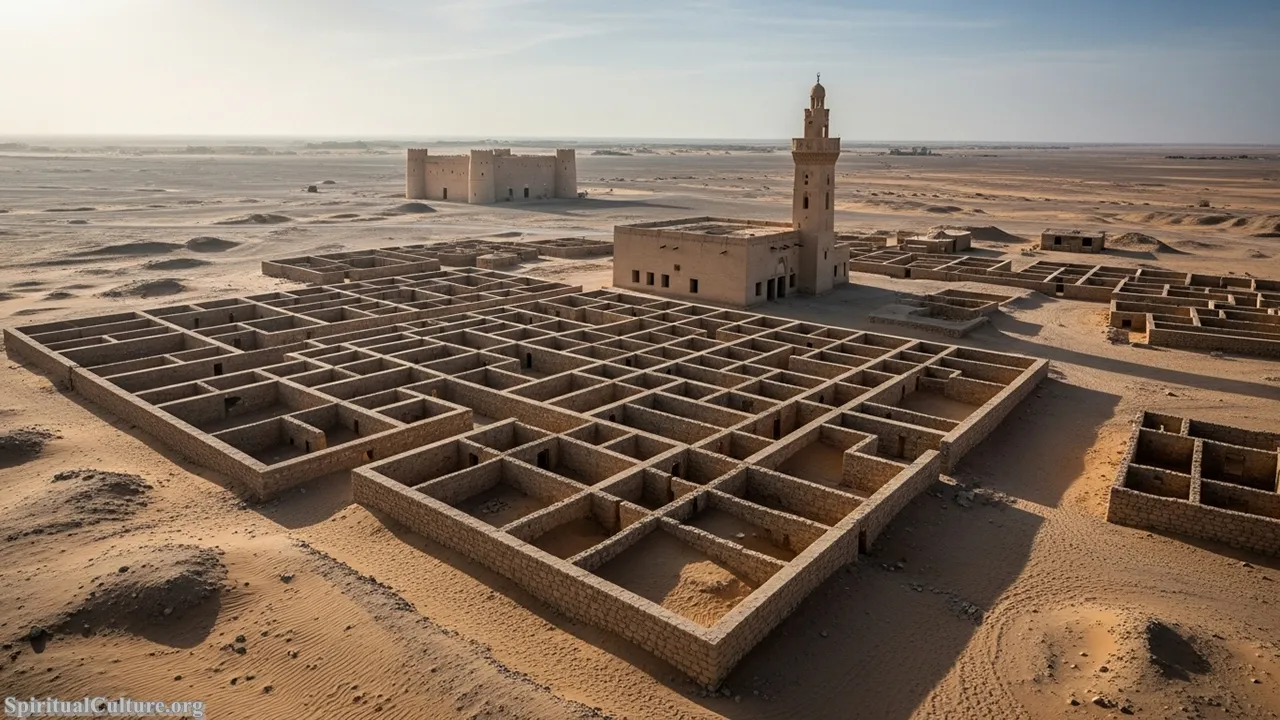
Al Zubarah is a UNESCO World Heritage property associated with the pearl-trading and mercantile history of the Gulf. It is not a sacred site in the theological sense, but it is important cultural memory for understanding settlement, trade, and social life.
Archaeology and older landscapes
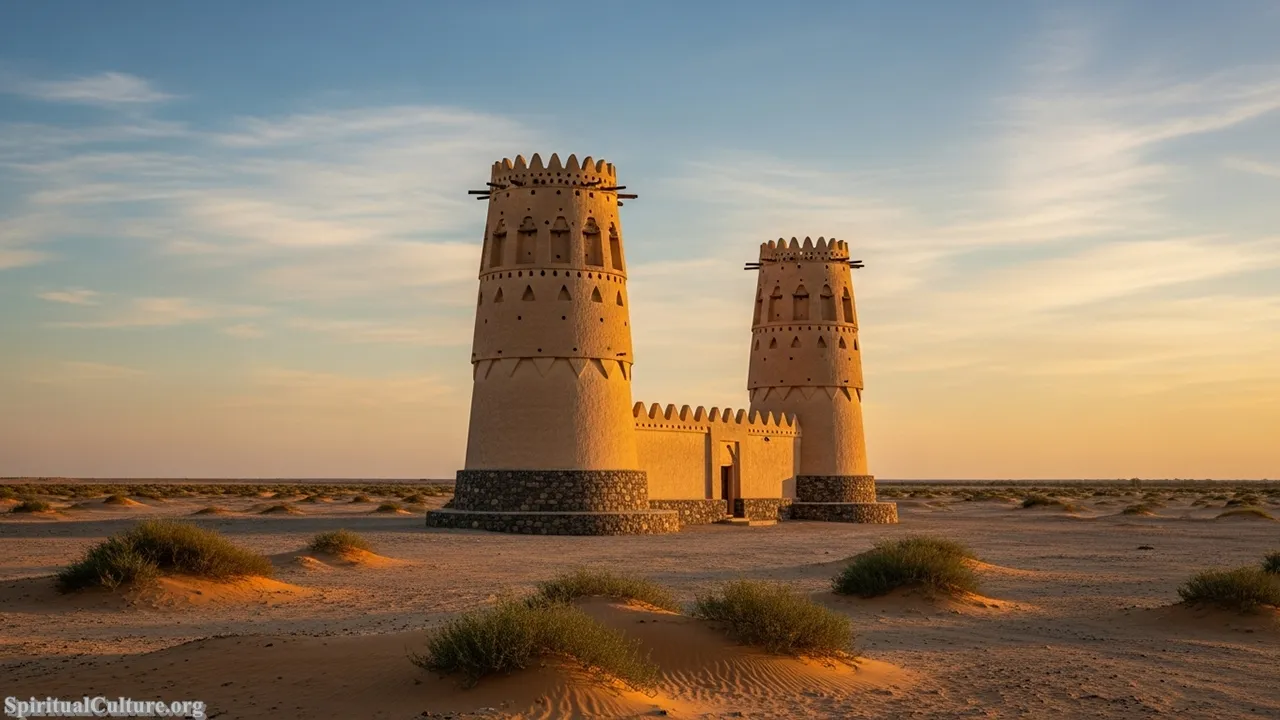
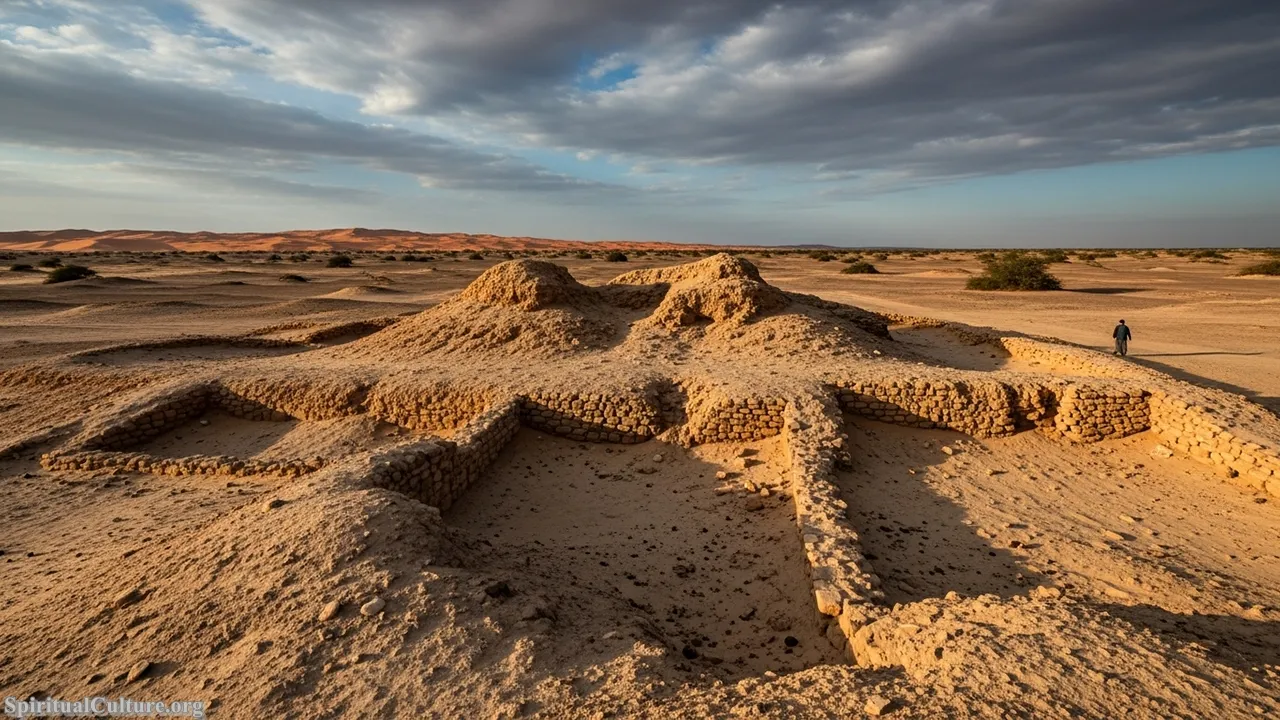
Rock carvings, forts, wells, and abandoned settlements preserve evidence of communities that lived across the peninsula before the modern oil era. Their value is historical rather than necessarily religious.
Living religious culture
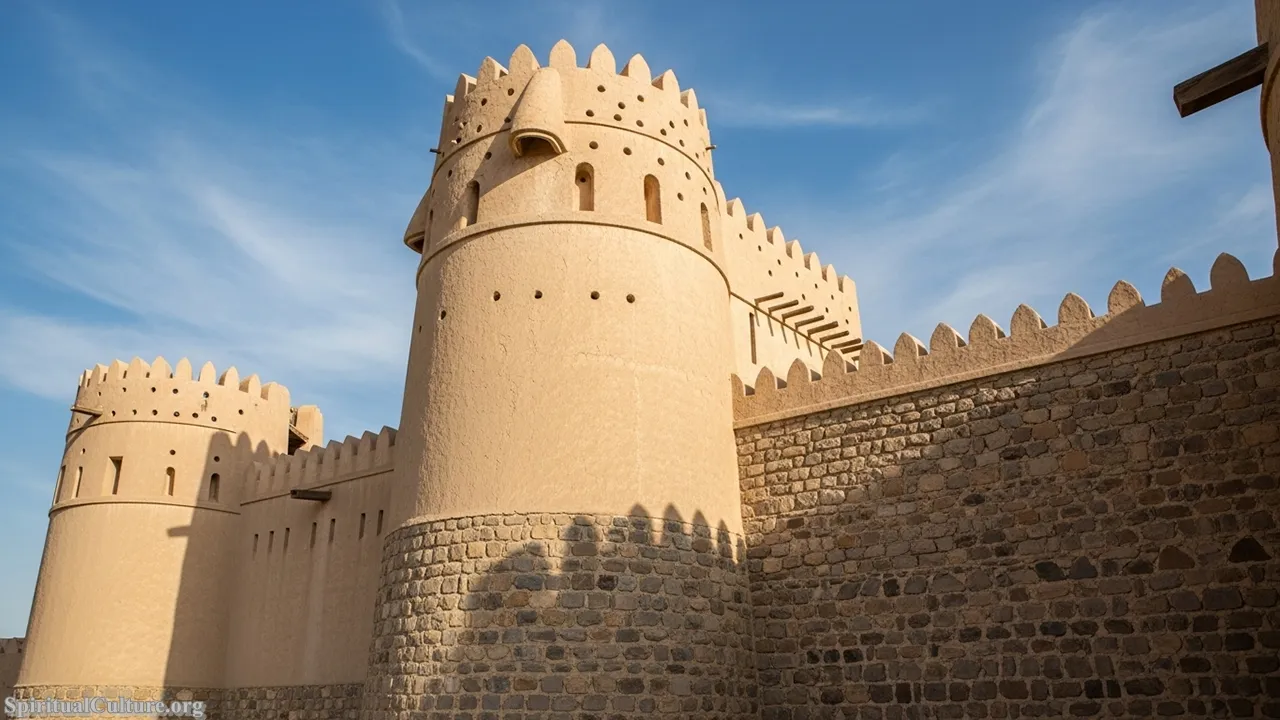
Ramadan, Eid, mosque life, Qur’anic learning, burial traditions, and family hospitality connect historic places with a living Islamic culture. A responsible heritage guide should state clearly which places are sacred and which are archaeological or civic.
Sacred meaning, heritage, and preservation
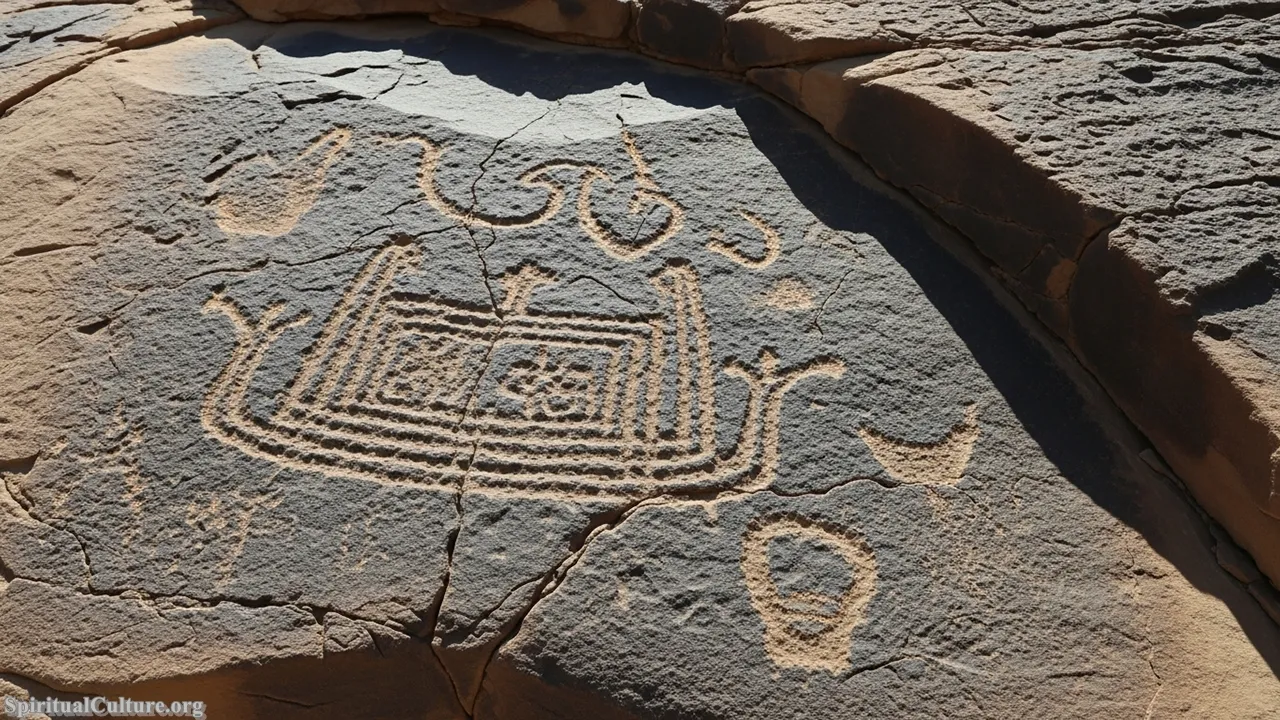
Qatar’s heritage places range from active mosques to forts, abandoned settlements, rock art, wells, and the archaeological landscape of Al Zubarah. Their religious significance therefore varies. A mosque remains part of living Islamic practice, while a fort or trading settlement may be important mainly for historical memory. Preservation works best when interpretation states clearly which kind of significance a place carries.
Editorial Scope
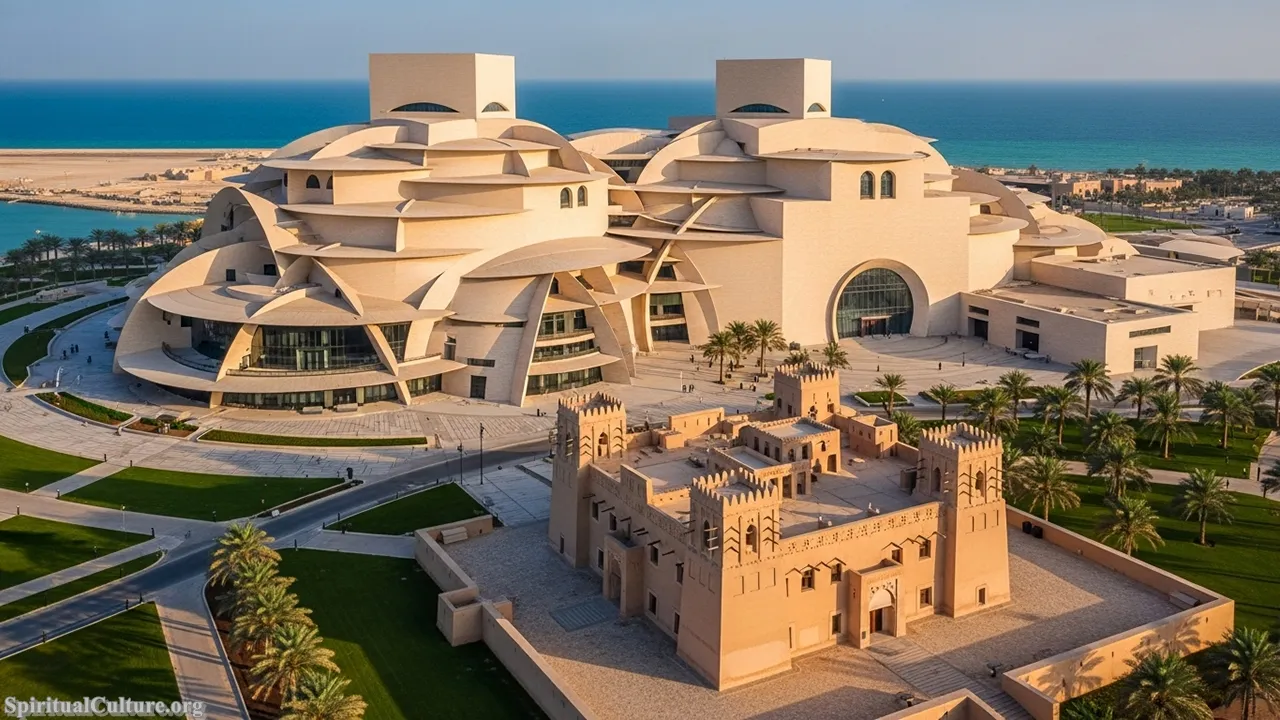
The discussion places Qatar’s monuments within the religious and social history of the Gulf. Instead of presenting a tourism checklist, the article connects mosque life, archaeology, settlement, trade, family memory, and the distinction between sacred space and civic heritage.