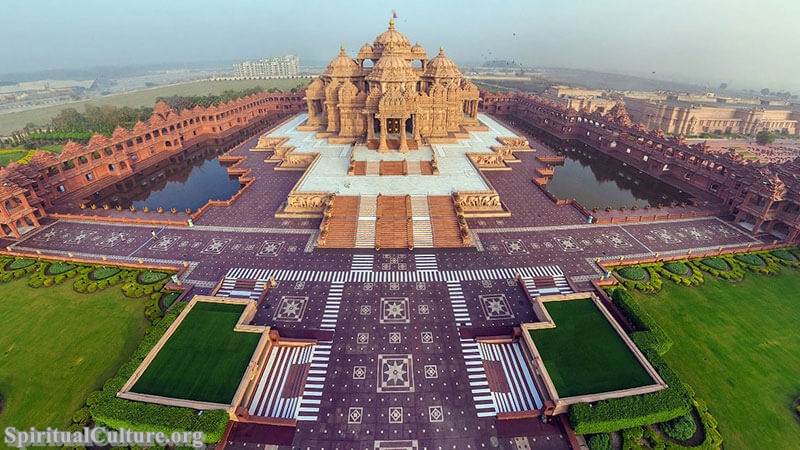
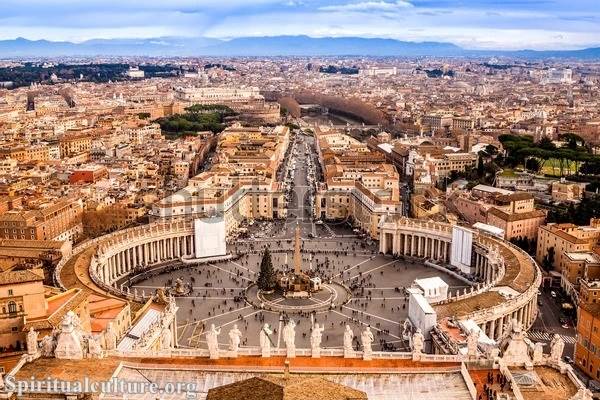
France’s religious heritage is visible in cathedrals, abbeys, pilgrimage centers, shrines, and sacred landscapes shaped by Christianity and older local histories.
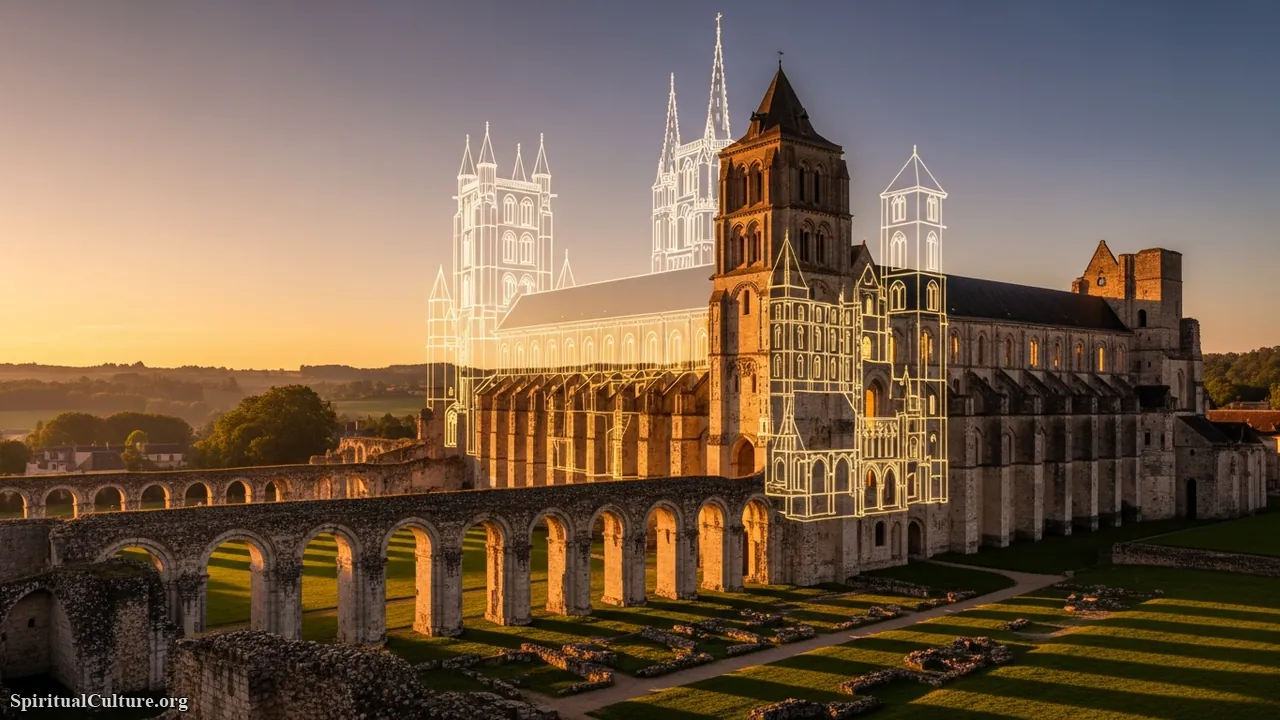
Cathedrals and sacred architecture
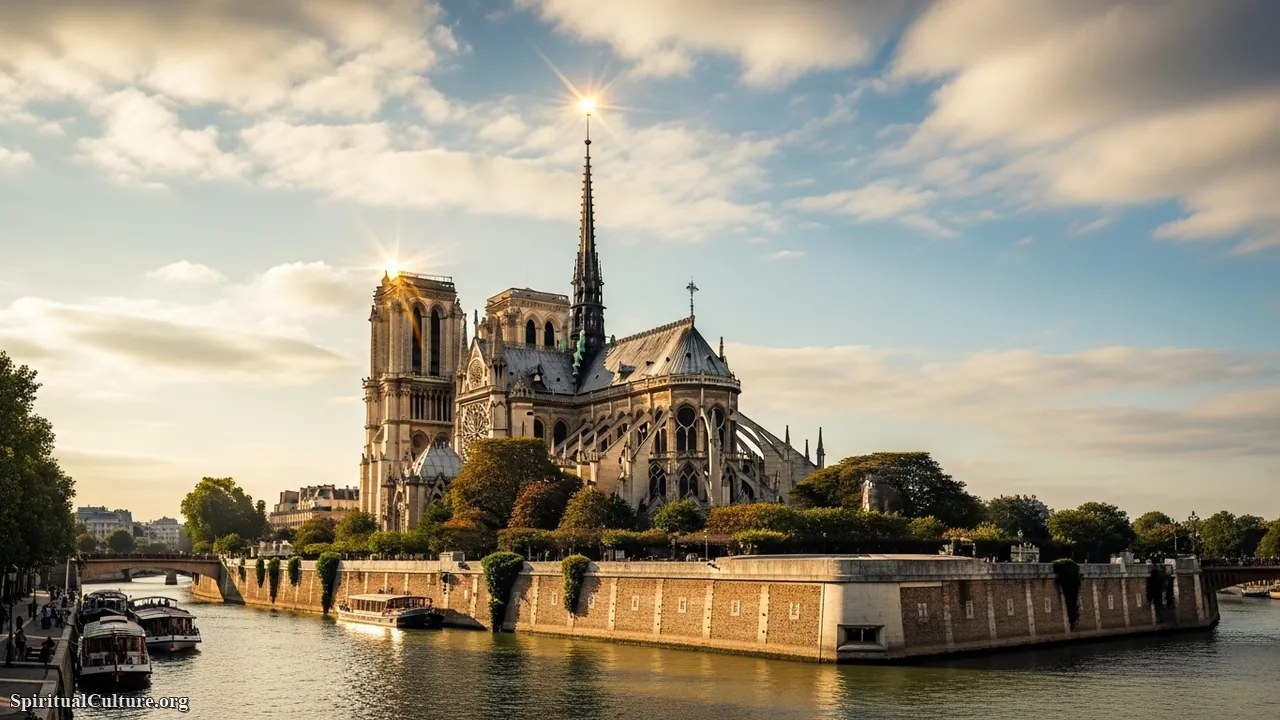
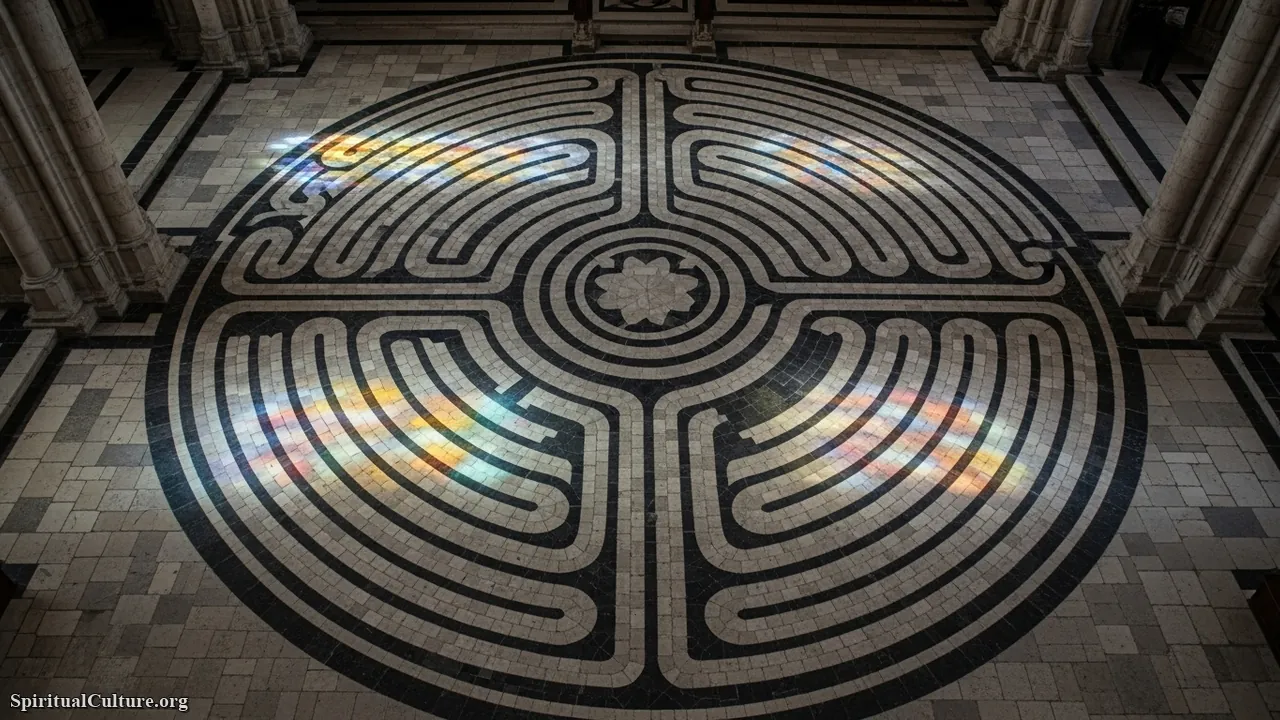
Notre-Dame de Paris, Chartres Cathedral, Strasbourg Cathedral, and other major churches preserve centuries of Catholic worship, art, pilgrimage, music, and civic memory. They should be understood first as religious buildings, even when they are also national monuments.
Monasteries and pilgrimage
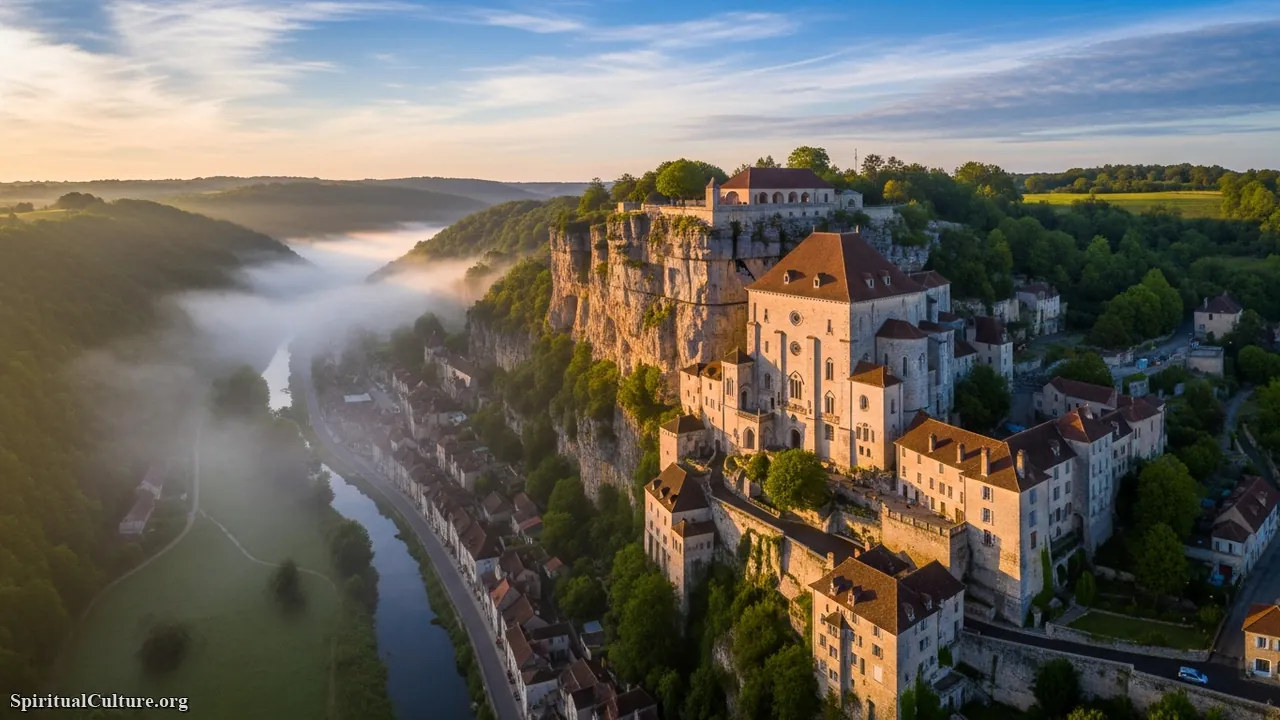
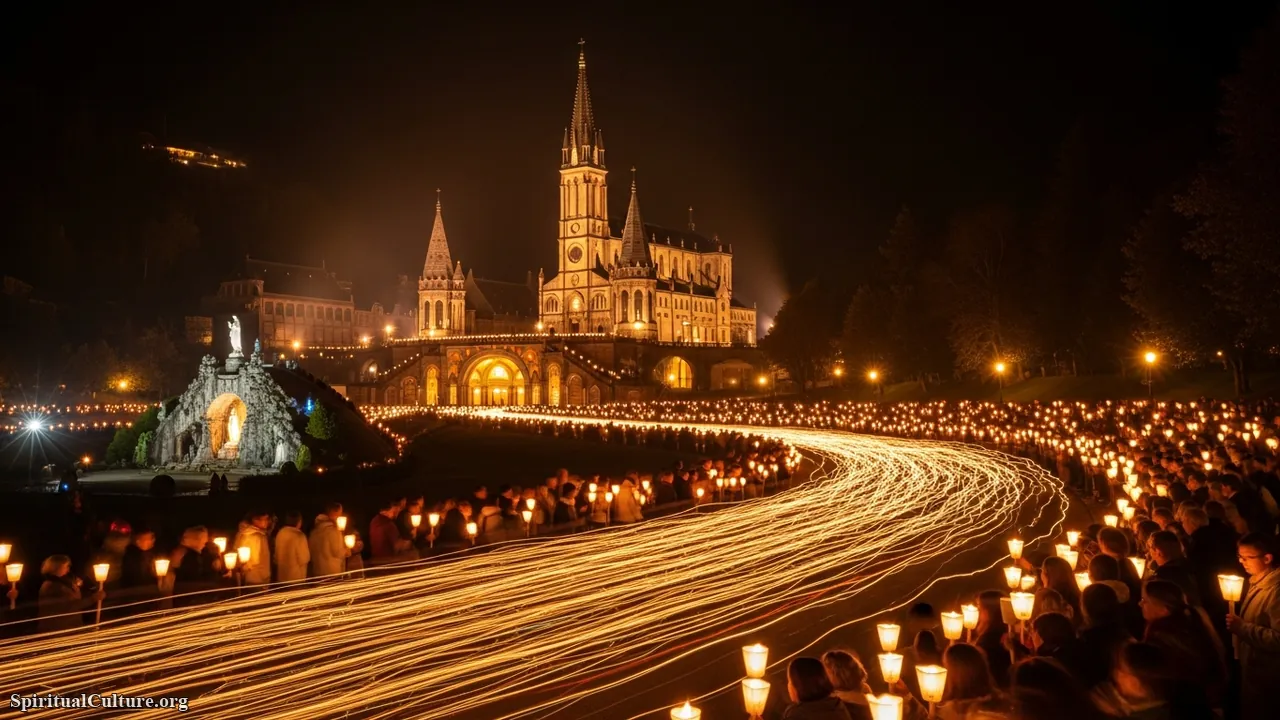
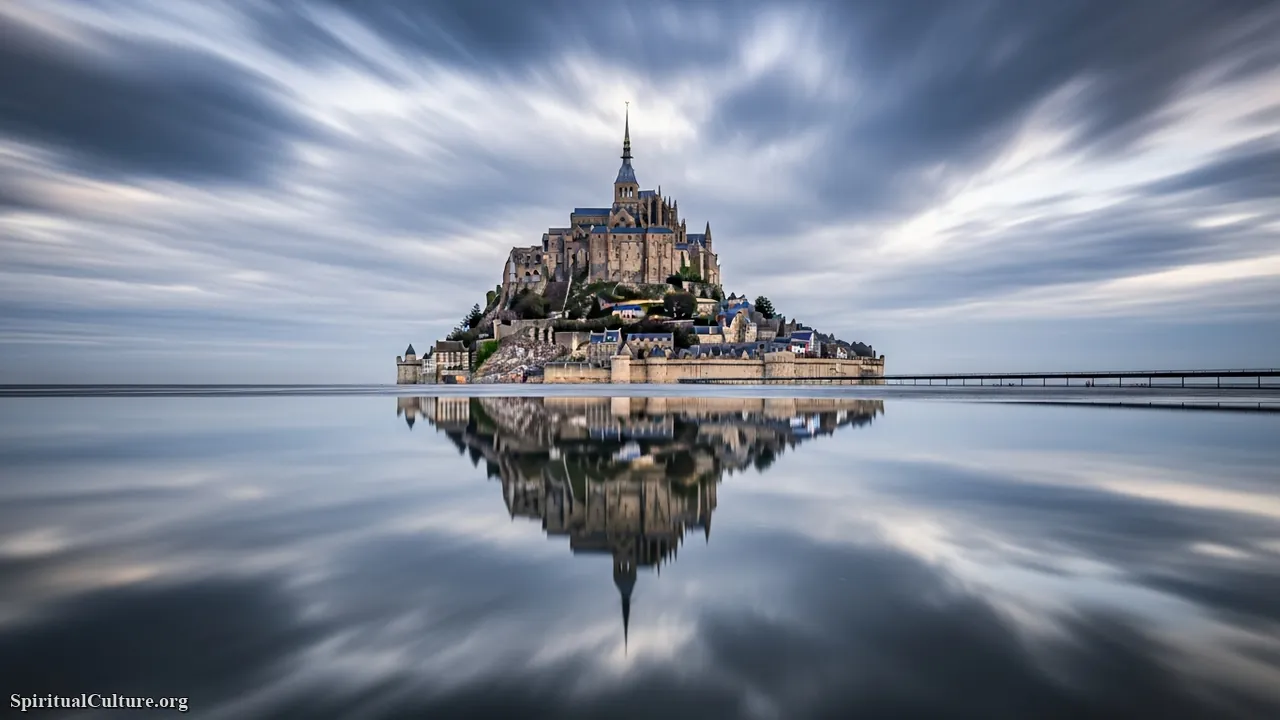
Mont-Saint-Michel and Vézelay represent the long influence of monasticism and pilgrimage. Lourdes became a major modern Marian pilgrimage center after reported apparitions in the nineteenth century and continues to receive pilgrims seeking prayer and healing.
Religious art and memory
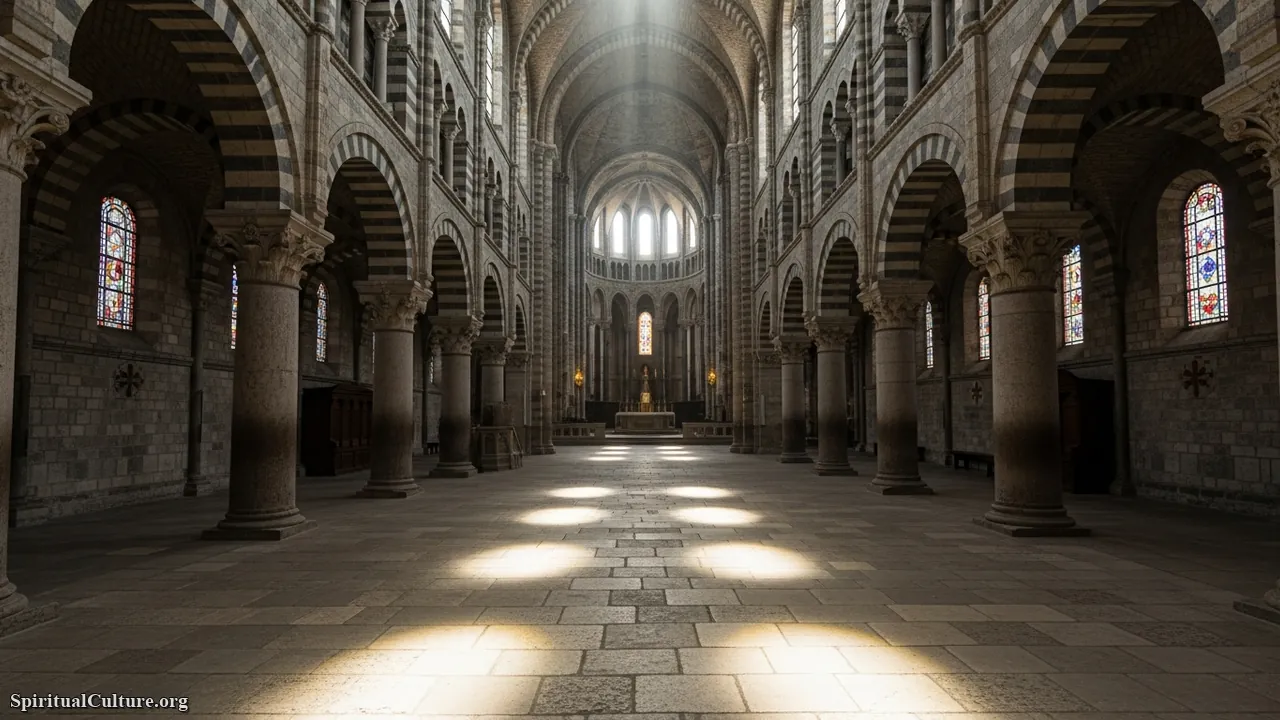
Sainte-Chapelle, Romanesque abbeys, roadside crosses, war memorial chapels, Jewish heritage, Protestant sites, and Muslim religious institutions show that French sacred heritage is broader than medieval Catholic architecture alone.
Living traditions
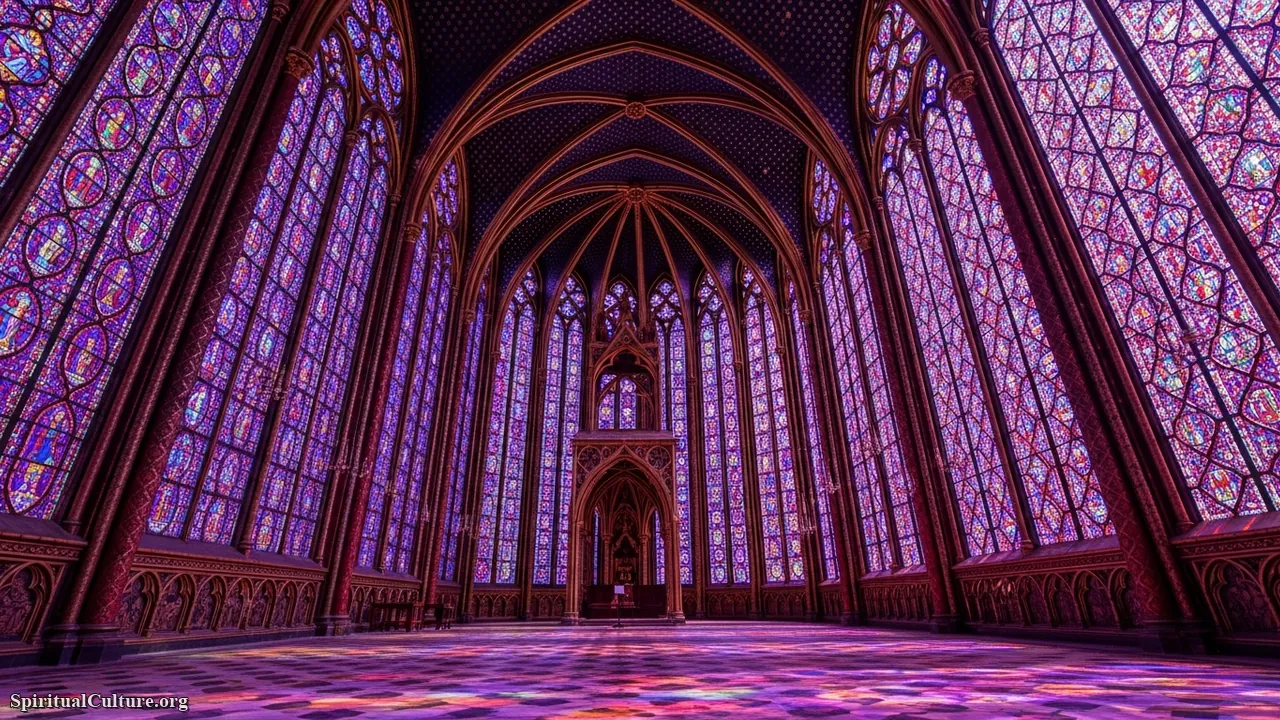
Pilgrimage, Mass, saints’ days, processions, church music, Jewish and Muslim festivals, and local devotional customs continue within a highly secularized society. Heritage preservation and living worship often share the same spaces.
Sacred meaning, heritage, and preservation
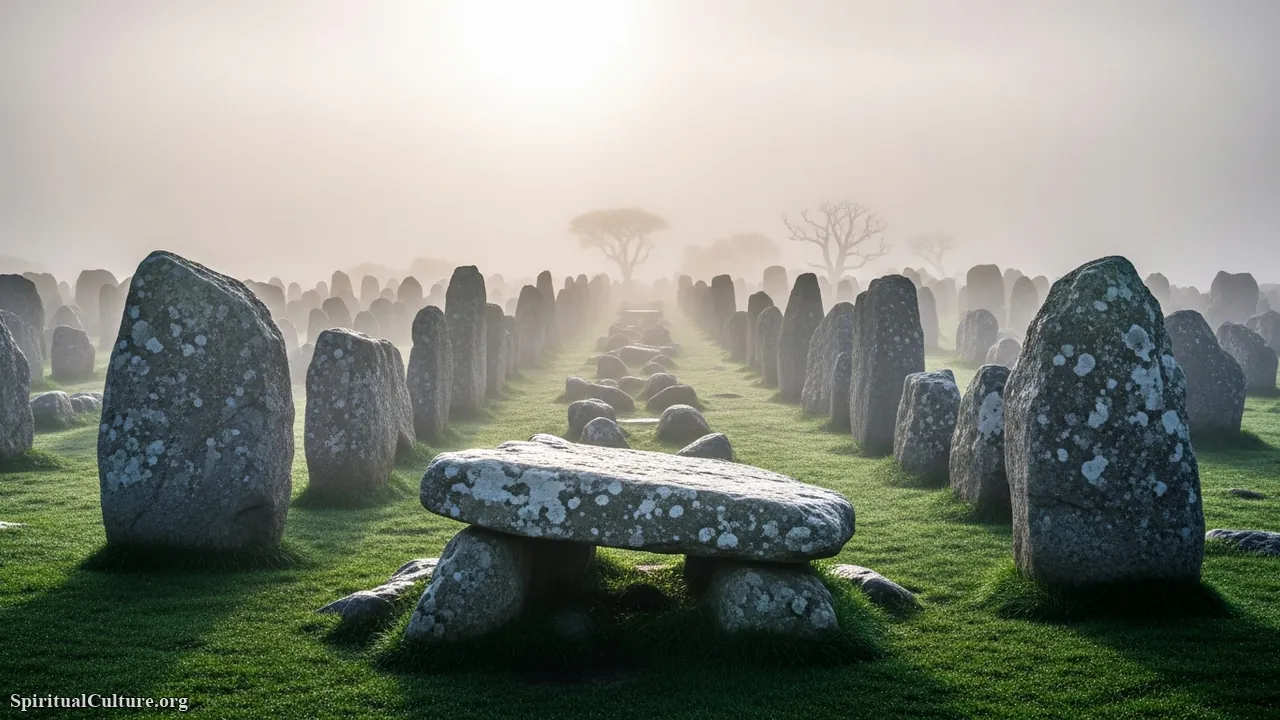
France’s major churches and pilgrimage centers are simultaneously works of architecture, national monuments, and in many cases active religious spaces. Preservation therefore has to accommodate worship, pilgrimage, conservation, tourism, and public ownership or administration. Jewish, Protestant, Muslim, and other religious heritage also complicates any account that treats French sacred history as exclusively medieval Catholic art.
Editorial Scope
The editorial focus is on prayer, pilgrimage, liturgy, memory, and the continuing use of these places by religious communities. The purpose is not to rank French attractions but to show how sacred buildings and landscapes continue to carry religious meaning even within a highly secular public culture.