Religions transmit memory through both spoken and written forms. Oral tradition can preserve prayers, genealogies, ritual instructions, sacred narratives, songs, sermons, and community history, but it should not be assumed that every oral story is older than scripture or historically unchanged.
Oral and written traditions often coexist
In many traditions, recitation and writing reinforce one another. Jewish, Christian, Islamic, Hindu, Buddhist, Indigenous, and other communities have all used combinations of memorization, public reading, commentary, performance, and written texts.
Sacred narrative is not the same as historical reporting
A sacred story may communicate theology, ritual identity, ethical teaching, or collective memory even when historians cannot verify every narrative detail. Responsible writing identifies whether a story is scriptural, commentarial, legendary, oral, hagiographic, or modern.
Why communities preserve stories
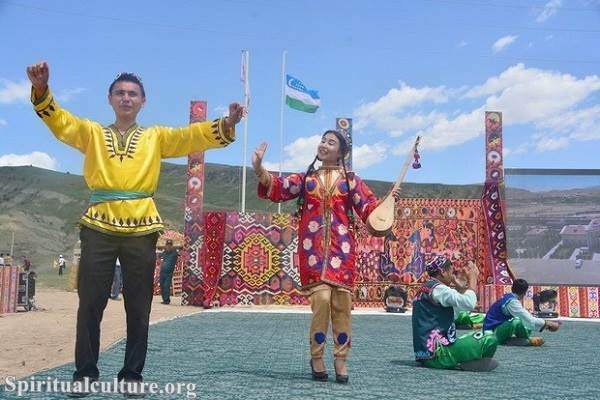
Stories connect generations, explain sacred places and festivals, model religious virtues, and help communities interpret suffering, identity, and obligation. Performance can be as important as the words themselves.
How oral transmission works
Oral tradition is not simply a written text remembered imperfectly. Communities may preserve stories through repeated performance, formulaic language, song, ritual recitation, genealogy, preaching, drama, or seasonal festivals. A narrator can keep the central structure and meaning of a story while adapting details to audience, language, place, and occasion. In some traditions, exact wording is essential; in others, faithful transmission is measured more by continuity of meaning and authorized performance.
Once stories are written down, oral transmission does not necessarily stop. Manuscripts, printed books, sermons, and digital media may exist alongside living performance, each preserving different versions or emphases.
What researchers compare
Scholars distinguish between a story’s earliest surviving record and the much older tradition a community may claim for it. They compare manuscripts, linguistic layers, performance settings, parallel versions, archaeology, and the history of the community transmitting the narrative. None of these methods requires dismissing sacred meaning; they simply answer different questions from theology or devotion.
A careful article therefore identifies whether a narrative is scripture, commentary, hagiography, legend, folktale, oral memory, or modern retelling whenever that distinction can be established. This helps readers appreciate both the story’s spiritual use and the evidence available for its history.
How SpiritualCulture.org labels stories
This site distinguishes verified historical information from religious teaching, sacred narrative, legend, oral tradition, and illustrative fiction. When the provenance of a story cannot be established, the uncertainty should be stated rather than hidden.






Sweet blog! I found it while searching on Yahoo News. Do you have any tips on how
to get listed in Yahoo News? I’ve been trying for a while but I never seem to get
there! Thanks