The United Arab Emirates preserves Islamic sacred architecture alongside archaeological sites and evidence of older Christian and regional communities.
Historic mosques
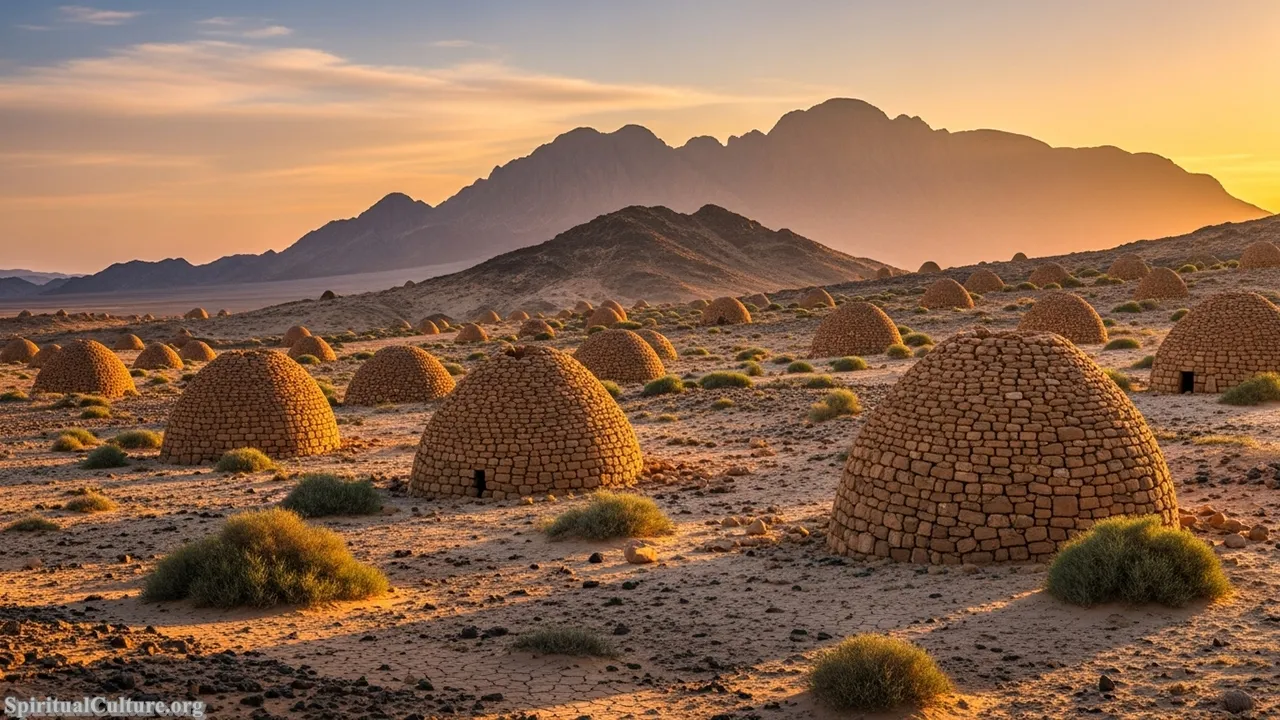
Al Bidya Mosque in Fujairah is among the best-known historic mosques in the Emirates. Other neighborhood mosques, cemeteries, and settlement remains document the spread and local forms of Islamic life.
Christian archaeological heritage
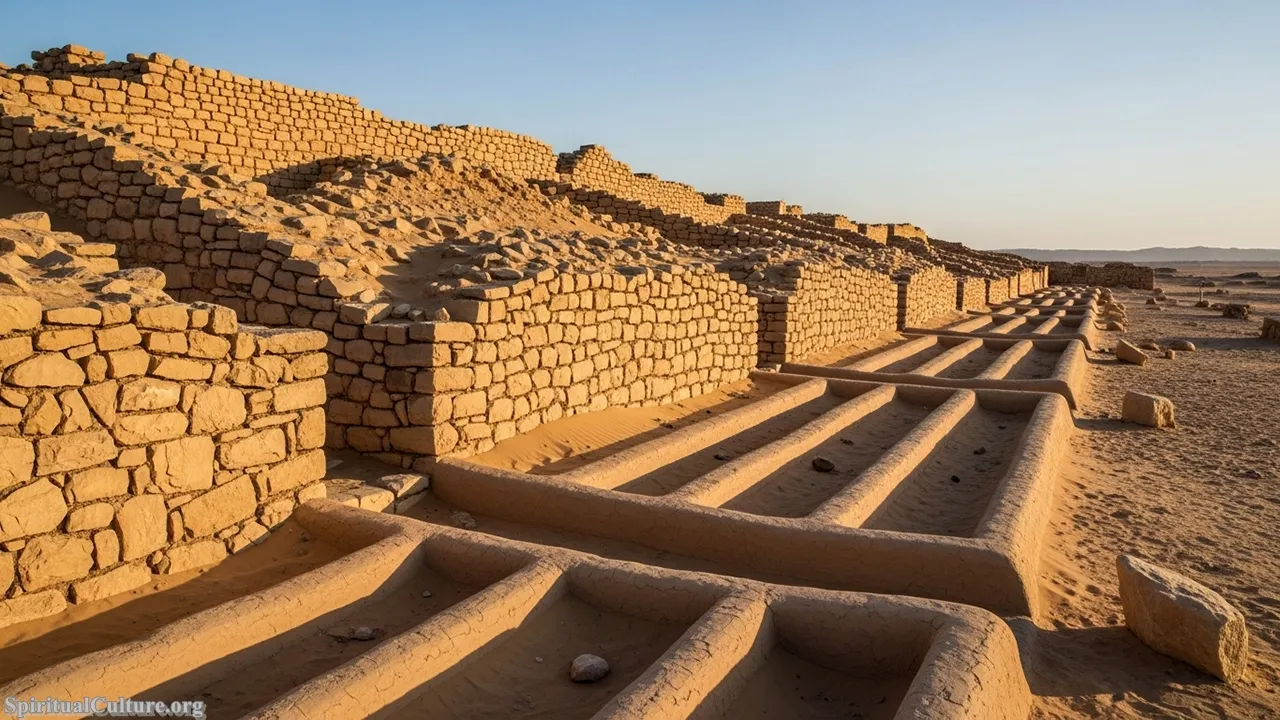
The monastery site on Sir Bani Yas preserves evidence of a Christian community in the Gulf before the rise of Islam. Its archaeological importance demonstrates that the region’s religious history is older and more varied than the modern state.
Al Ain and ancient settlement
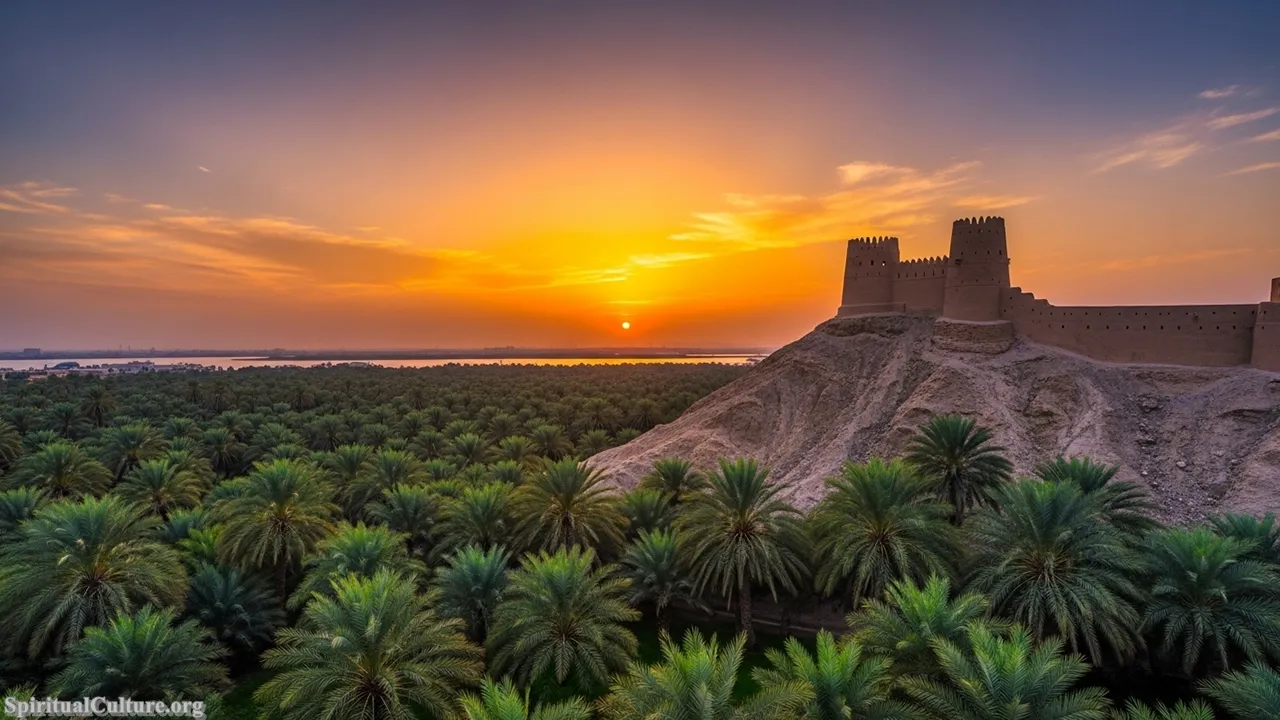
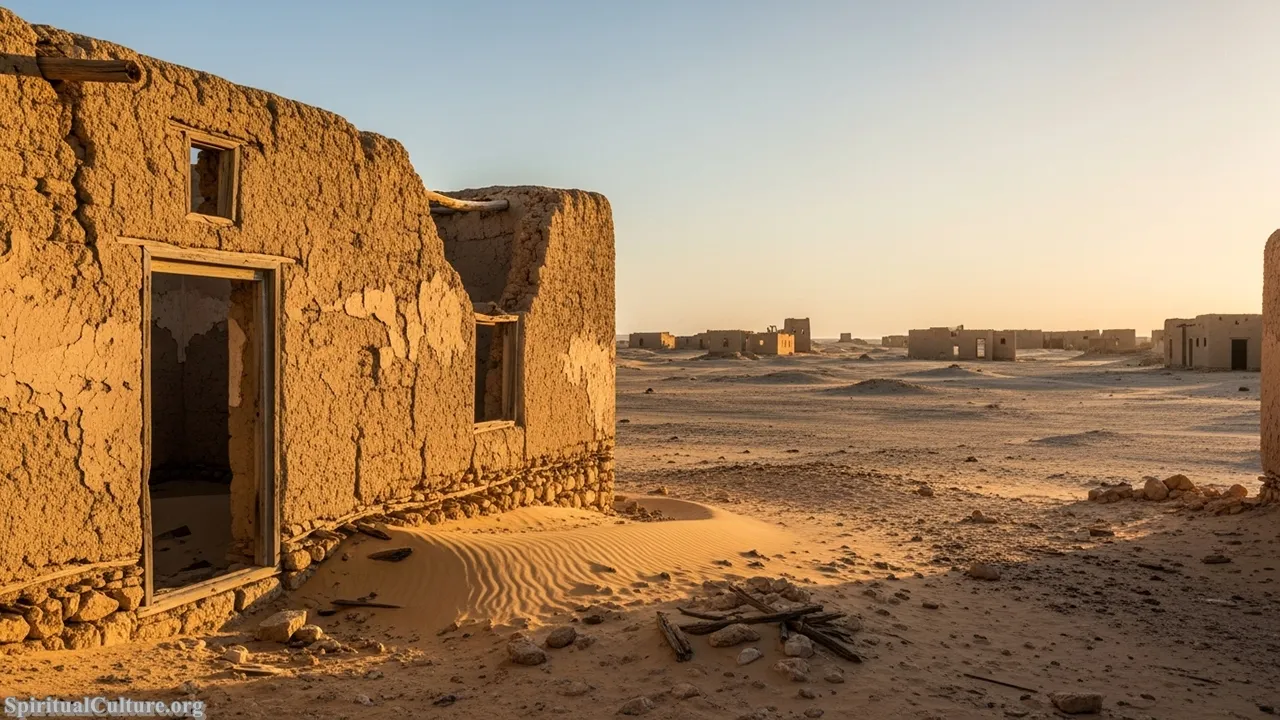
The Al Ain cultural landscape, including oases, tombs, and archaeological sites, documents thousands of years of human settlement. These places are historically important even when they are not sacred in a narrow religious sense.
Modern sacred architecture
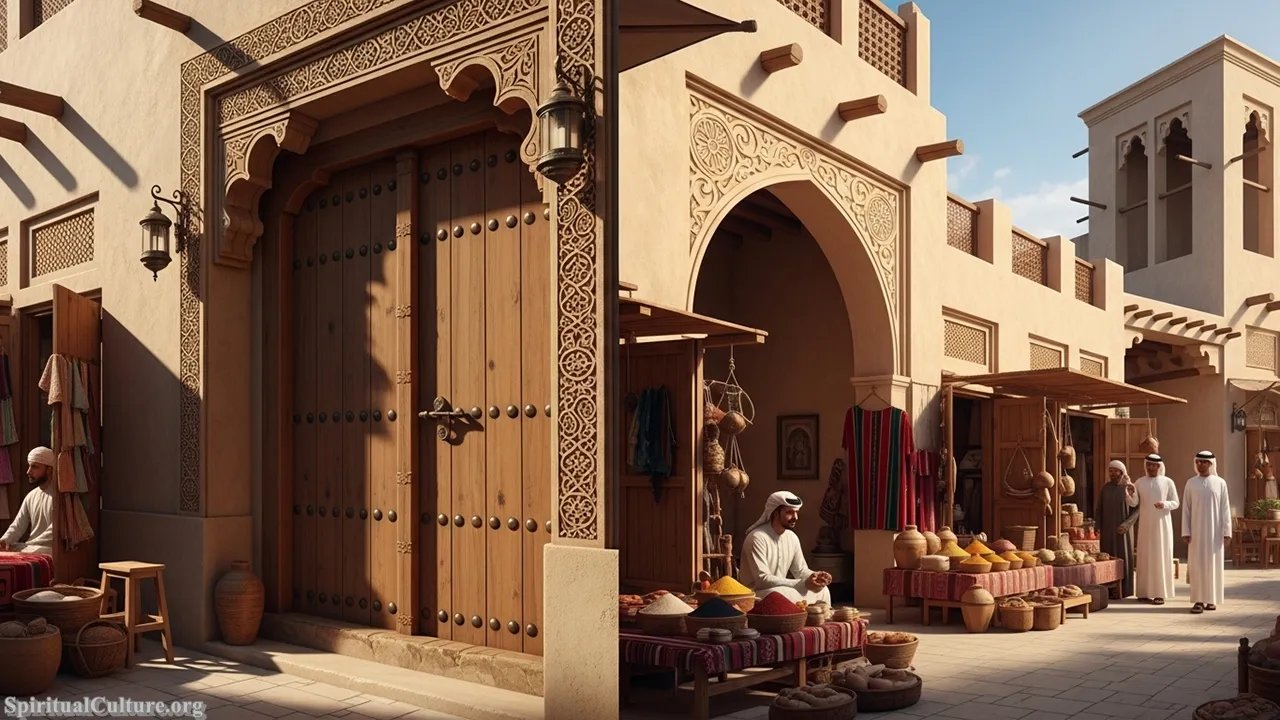
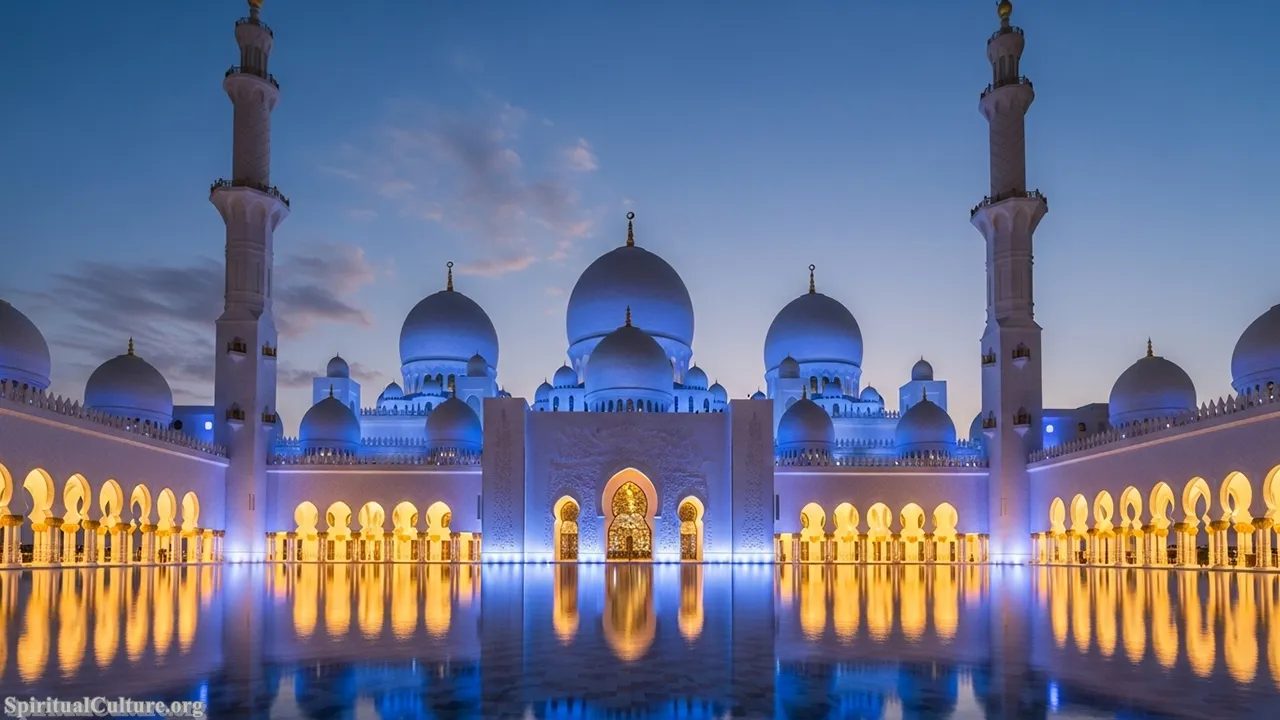
The Sheikh Zayed Grand Mosque is modern rather than ancient, but it has become one of the country’s most prominent living Muslim worship spaces. A heritage account should keep chronological and religious categories clear.
Sacred meaning, heritage, and preservation
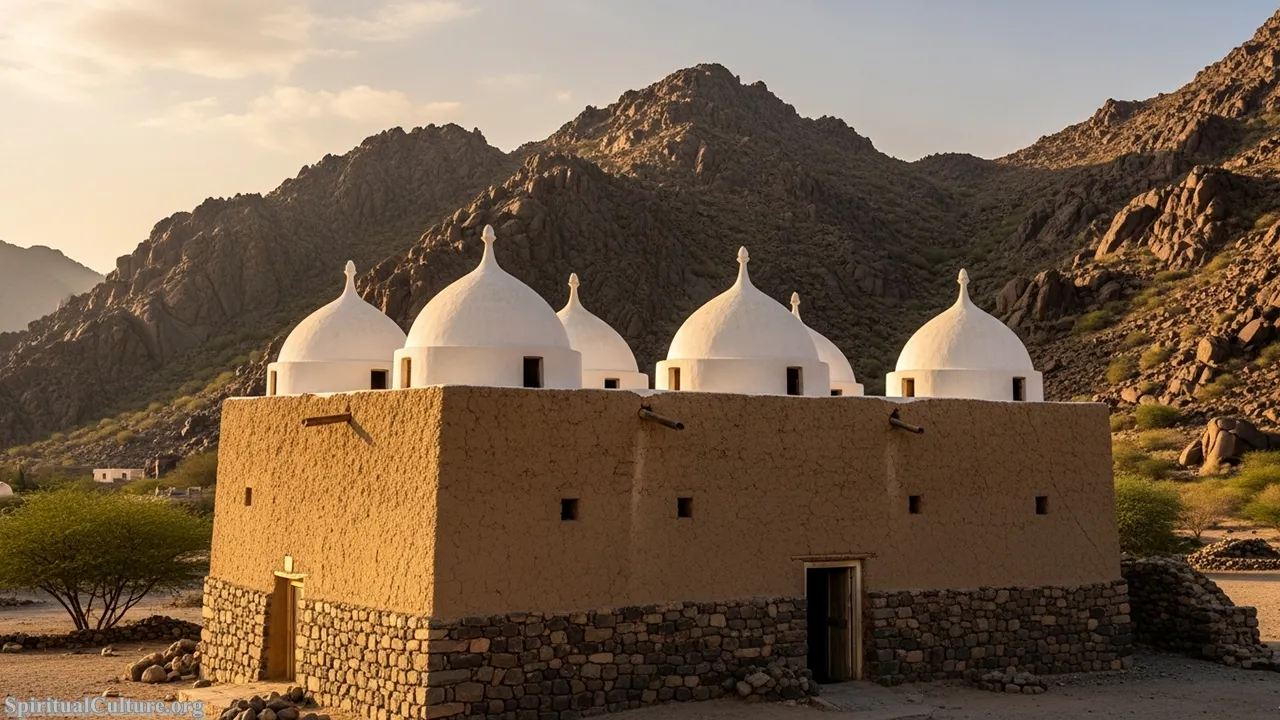
The UAE’s historic landscape includes active mosques, archaeological remains, oasis settlements, Christian monastic archaeology, and modern religious architecture. Their significance is not identical: a working mosque is a place of worship, while an excavated monastery or ancient tomb may be preserved mainly as historical evidence. Interpretation should keep those categories clear and respect the practices of communities that still use sacred spaces.
Editorial Scope
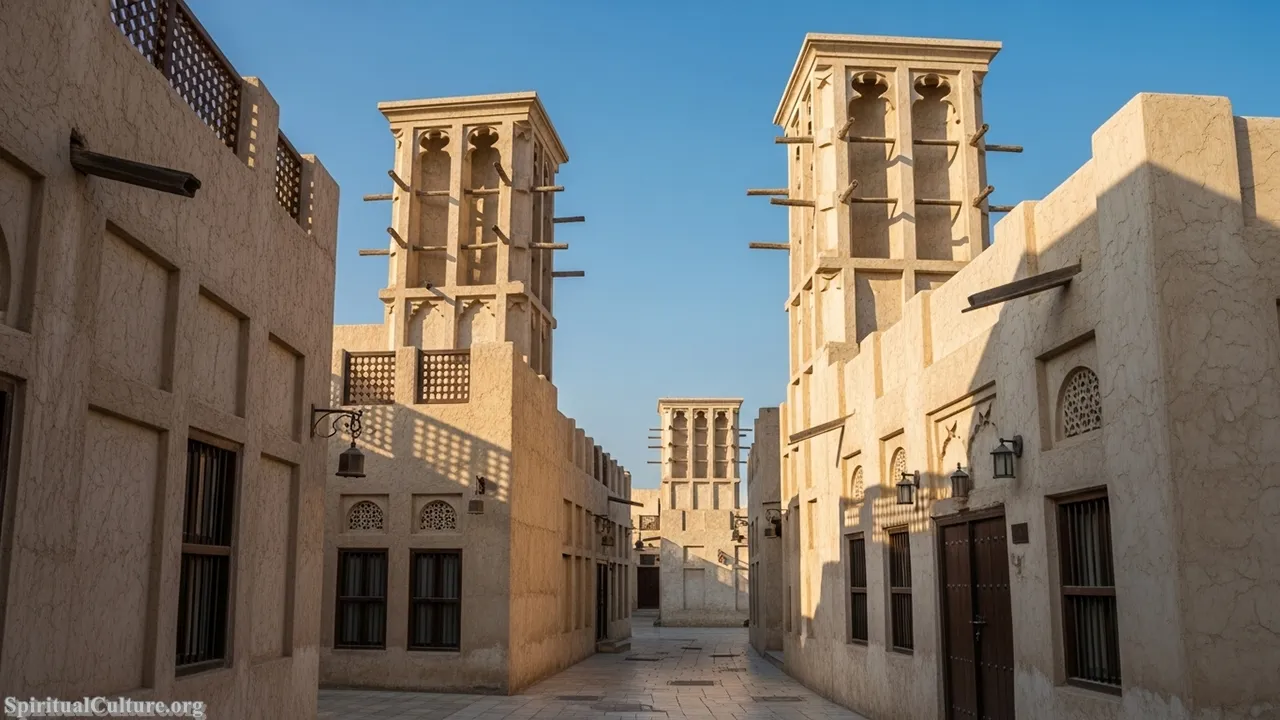
The focus is on the religious layers of Emirati history—from early Christian archaeology and Islamic settlement to living mosque culture—rather than on ranking attractions. This approach connects architecture and archaeology with worship, memory, and the changing sacred landscape of the Gulf.