Daily Hindu practice varies enormously by family, region, deity tradition, philosophical school, life stage, and personal commitment. There is no single checklist followed by every Hindu. Spiritual Culture therefore presents common practices while keeping Hindu diversity visible.
Puja at a home shrine
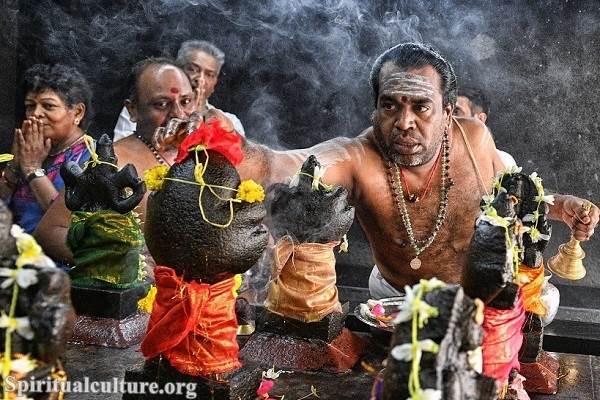
Puja is one of the most recognizable forms of Hindu devotion. A household shrine may contain a murti, image, sacred symbol, lamp, incense, flowers, water, and food offerings. The practice can be brief or elaborate.
Darshan
Darshan involves seeing and being in the presence of a deity or sacred image. At home or in a mandir, the act is relational and devotional rather than simply looking at religious art.
Mantra and sacred names
Hindus may recite Vedic mantras, deity names, prayers, or short devotional formulas. Repetition may be counted with a mala, integrated with meditation, or used during ritual.
Meditation and yoga
Some Hindus practice forms of meditation, breath discipline, concentration, or yoga as spiritual disciplines. Modern exercise yoga represents only one part of a much larger religious and philosophical history.
Scripture and sacred stories
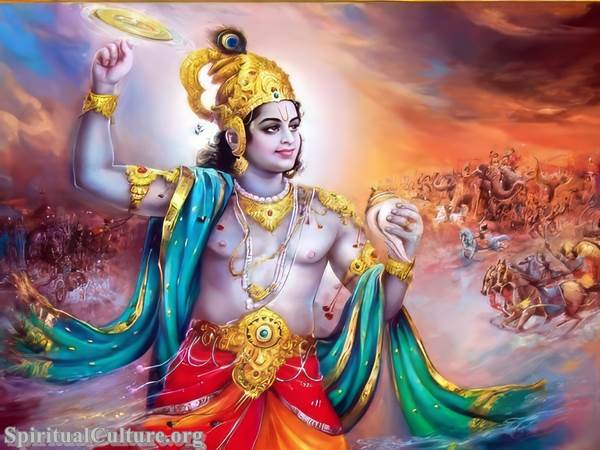
Daily or regular reading may include the Bhagavad Gita, Ramayana, Bhagavata Purana, devotional poetry, teachings of gurus, regional scriptures, or other texts depending on tradition.
Food offerings and prasada
Food offered in worship may later be received as prasada, understood as blessed or graced food. Practices vary by deity, household, temple, dietary custom, and festival.
Cleanliness and preparation
Many forms of worship include bathing, clean clothing, preparing a shrine, lighting a lamp, and arranging offerings. These practices express respect but should not be turned into stereotypes about ritual purity.
Temple worship
Not every Hindu visits a temple daily. Temple attendance may be weekly, occasional, festival-based, pilgrimage-centered, or especially important at particular stages of life.
Ethical practice
Dharma, truthfulness, non-harm, generosity, family responsibility, hospitality, and self-discipline are also religious practices. Hindu life is not defined only by visible ritual.
Festival calendars
Diwali, Navaratri, Holi, Janmashtami, Maha Shivaratri, regional new years, temple festivals, and many other observances intensify practices that may be simpler on ordinary days.
Tradition and deity matter
Vaishnava, Shaiva, Shakta, Smarta, and other Hindu communities can differ in theology, mantras, food rules, ritual procedures, and sacred texts.
Modern life changes practice
Diaspora households, work schedules, apartment living, digital resources, and access to temples can reshape how traditions are maintained without necessarily making them inauthentic.
Differences across traditions
Daily Hindu spirituality is best described as a family of practices rather than a universal routine. The meaning of puja, mantra, meditation, service, and scripture depends on the tradition in which they are practiced.