In Islam, Hadith are more than historical records—they are sacred echoes of the Prophet Muhammad’s words and actions, guiding Muslims in faith and practice. But how do we know they are authentic? Discover the intricate science behind their preservation.
Every faith tradition has its sacred texts, but few possess the layered, complex tradition of verification like Islam’s Hadith. For Muslims around the world, Hadith—accounts of the Prophet Muhammad’s sayings, actions, and approvals—offer an intimate window into how to live in alignment with divine will.
While the Qur’an is Islam’s primary and unalterable revelation, the Hadith provide the practical, humanized expressions of those teachings. They embody not just commandments, but context. Not just rulings, but relationships. But given their reliance on human transmission, how are these records kept trustworthy? How do Muslims distinguish authentic Hadith from fabricated ones?
This article explores the meaning, purpose, and preservation of Hadith. It unveils the rigorous scholarship behind Hadith sciences (ʿIlm al-Ḥadīth) and invites us to reflect on the spiritual importance of seeking truth—both in text and in life.
What Is a Hadith?
A Divine Echo Through Human Tongue
At its core, a Hadith (plural: Ahadith) is a report describing the words, actions, tacit approvals, or disapprovals of the Prophet Muhammad ﷺ. Each Hadith serves as a practical extension of the Qur’an—offering clarity, elaboration, and guidance on daily life, moral dilemmas, and spiritual growth.
While the Qur’an is considered the verbatim word of God (Kalam Allah), Hadith are inspired but not revealed in the same sense. They represent the Sunnah, the lived tradition of the Prophet.
Structure of a Hadith
A Hadith has two main parts:
- Isnad (Chain of Transmission): The list of narrators who passed down the Hadith from the Prophet to the compiler.
- Matn (Text): The actual content of the saying or report.
Each part plays a vital role in evaluating the Hadith’s authenticity.
Why Hadith Matter in Islam
Beyond Revelation: Living the Qur’an
The Prophet Muhammad ﷺ was described by his wife Aisha (RA) as “a walking Qur’an“. His life modeled divine teachings, turning abstract values into actionable principles.
Examples of Hadith’s role in Islamic law and life:
- Prayer: The Qur’an commands prayer, but Hadith explain the method and timings.
- Zakat (Charity): Hadith detail the categories, proportions, and exemptions.
- Ethics and Manners: From greeting others to honoring parents, Hadith offer practical moral frameworks.
“I have left among you two matters, if you hold fast to them, you will never go astray: the Book of Allah and my Sunnah.”
— Prophet Muhammad (Muwatta Malik)
The Classification of Hadith
Not all Hadith are created equal. Scholars have developed a meticulous system to classify Hadith based on their chain and content.
By Authenticity
- Ṣaḥīḥ (Sound/Authentic):
Reliable chain, trustworthy narrators, and no textual anomalies. - Ḥasan (Good):
Slightly lesser reliability but still acceptable. - Ḍaʿīf (Weak):
Contains one or more weak narrators or breaks in the chain. - Mawḍūʿ (Fabricated):
Clearly invented or forged reports.
By Chain Continuity
- Mutawātir (Mass Transmitted):
Narrated by so many people at each level that it’s impossible they agreed on a lie. - Āḥād (Singular Narration):
Reported by a few individuals. More scrutiny is applied.
The Science of Hadith Authentication (ʿIlm al-Ḥadīth)
1. Scrutinizing the Isnad (Chain of Transmission)
The first line of defense in authenticating Hadith is verifying the narrators:
- Were they known for honesty (ʿadl)?
- Were they precise in memory (ḍabt)?
- Did they meet the person they claimed to narrate from (ittisāl)?
Scholars maintained detailed biographical dictionaries (ʿilm al-rijāl) to assess every transmitter’s life, reputation, and reliability.
Example: Bukhari’s Criteria
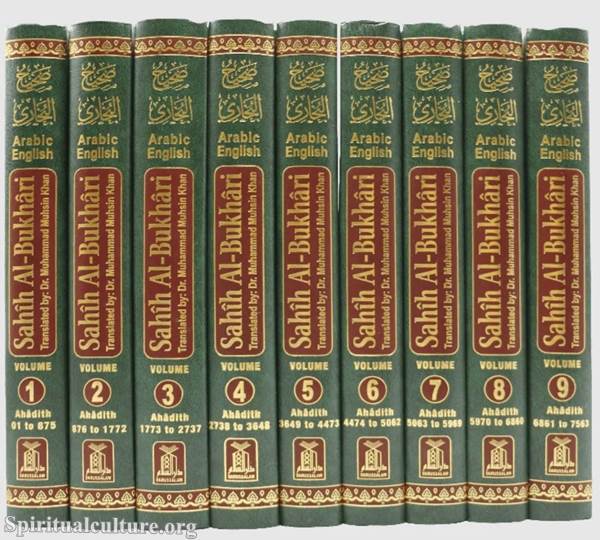
Imam al-Bukhari (810–870 CE), compiler of Sahih al-Bukhari, was famously strict. He required:
- Continuous and confirmed chains.
- Exceptional memory and integrity.
- Absence of contradictions or hidden defects (ʿillah).
“Whoever lies about me deliberately, let him take his seat in the Hellfire.”
— Prophet Muhammad (Sahih al-Bukhari)
This Hadith alone sparked a deep sense of responsibility in early scholars to avoid any false attributions to the Prophet.
2. Analyzing the Matn (Textual Content)
After confirming the chain, scholars examined the content for:
- Qur’anic compatibility: Does it contradict the Qur’an?
- Logical coherence: Is it rational and consistent with other known facts?
- Language style: Does it reflect the eloquence of the Prophet?
- Historical possibility: Is the event plausible?
This two-tiered approach protected Hadith from both naive acceptance and cynical rejection.
The Great Compilers and Canonical Collections
By the 3rd century Hijri (9th century CE), a golden age of Hadith compilation emerged. Six canonical Sunni collections became foundational:
- Sahih al-Bukhari
- Sahih Muslim
- Sunan Abu Dawud
- Sunan al-Tirmidhi
- Sunan al-Nasa’i
- Sunan Ibn Majah
Shia Muslims also preserve Hadith but emphasize different collections, such as:
- Al-Kafi by Al-Kulayni
- Man la Yahduruhu al-Faqih by Ibn Babawayh
Each tradition applies its own criteria of authentication, though the methodology shares core similarities.
Fabrication and Forgery: A Spiritual Crisis Averted
From political agendas to overzealous piety, many motives led to Hadith forgery. False Hadiths emerged to support rulers, sectarian claims, or popular ideas.
How Were They Combated?
- Scholars traveled vast distances to verify narrations.
- They rejected Hadiths that praised specific dynasties, tribes, or customs without basis.
- Anonymous narrators or those with known biases were discredited.
- Narrators caught fabricating Hadiths were publicly exposed.
This shows not only scholarly rigor but spiritual humility—the commitment to truth over convenience.
How Are Hadith Used Today?
While modern Muslims have access to vast databases and apps, the principles remain:
- Authenticity matters.
Sound Hadith shape theology, law, and ethics. - Context matters.
Scholars emphasize understanding over blind imitation. - Unity matters.
Despite variations, Hadith serve as bridges between Qur’anic values and everyday life.
“The ink of the scholar is more sacred than the blood of the martyr.”
— Prophet Muhammad (Reported in various sources, though chain debated)
This saying, though debated in authenticity, captures the ethos of Islamic scholarship—a sacred pursuit of preserving truth for generations.
Reflect and Reimagine
Hadith are not just historical artifacts or legal codes. They are the memory of a man who embodied mercy, wisdom, and courage—Prophet Muhammad ﷺ. Through them, we glimpse not just what he said, but how he moved, paused, and responded to life’s questions with grace.
Understanding how Hadith are authenticated reminds us that truth must be protected, not presumed. That faith is deepened through inquiry, not weakened by it. And that in seeking the Prophet’s voice, we are also seeking a way to live more gently, justly, and faithfully.
As you reflect on what you’ve read, consider:
- What voices shape your sense of truth?
- How do you verify what is sacred, good, and real?
- And in a world of endless transmission, can you recognize the sound of sincerity?
Let the Hadith not be ancient echoes, but living reminders—guiding not just what we believe, but who we become.
Written by Spiritual Culture — where the sacred is explored, understood, and lived.