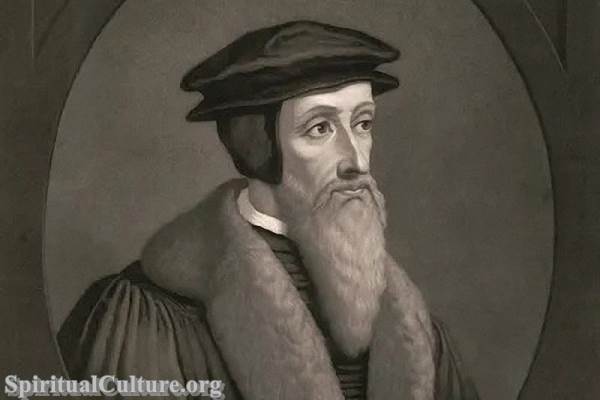
Constantine the Great is not a person in the Bible. He was a Roman emperor who lived roughly three centuries after Jesus and the apostles and became a major figure in the history of Christianity. His support for the Church, the Council of Nicaea, and imperial patronage deeply affected Christian institutions, but he did not write biblical books or choose the biblical canon at Nicaea. Spiritual Culture separates the fourth-century emperor from New Testament history.
Why Constantine cannot appear in the New Testament
The New Testament writings belong to the first-century and early-Christian world. Constantine was born centuries later, around the late third century.
Imperial support for Christianity
Constantine and Licinius are associated with the 313 settlement commonly called the Edict of Milan, which established toleration and restored confiscated Christian property.
The Council of Nicaea
Constantine convened the Council of Nicaea in 325 amid the Arian controversy. The council addressed the relation of the Son to the Father, church discipline, and other ecclesial questions.
Nicaea did not create the Bible
No surviving acts or canons of the council record a vote determining the list of biblical books. The idea that Constantine selected the Bible at Nicaea is a modern myth.
The canon developed over time
Christian communities were already reading collections of Gospels, apostolic letters, and Israel’s scriptures before Constantine. Some books remained disputed in particular regions after Nicaea.
Constantine later commissioned scriptures
Eusebius reports that Constantine requested copies of sacred scriptures for churches in Constantinople. Commissioning manuscripts is not the same as deciding which books counted as Scripture.
Constantine and Christian politics
His reign accelerated the Church’s transition from a persecuted minority to an imperially favored institution, with long-term consequences for bishops, property, councils, and public worship.
Was Constantine baptized?
Ancient sources describe him as baptized near the end of his life, a pattern not unique in the fourth century when some delayed baptism.
Why the myth persists
Constantine, Nicaea, creeds, and later manuscript production are real historical facts. Popular retellings sometimes combine them into a fictional single event in which an emperor supposedly “created the Bible.”
Sources and interpretation
Constantine belongs to church history, not the biblical narrative. His influence on imperial Christianity was enormous, but the development of the biblical canon was a longer process that began before him and continued after Nicaea.