In mainstream Christianity, “God the Father” refers to the first person of the Trinity: Father, Son, and Holy Spirit. Christians confess one God, not three gods, while distinguishing the Father from the Son and the Holy Spirit.
The Father within the Trinity
The doctrine of the Trinity developed as early Christians sought to express biblical teaching about the one God, Jesus Christ, and the Holy Spirit. The Nicene tradition describes the Son as eternally related to the Father rather than as a created being. Christian traditions differ over some theological language about the relationships within the Trinity, but Catholic, Orthodox, and most Protestant churches affirm the Father, Son, and Holy Spirit as fully divine.
God the Father and creation
Christian scripture frequently speaks of God as creator and source of life. The title “Father” can refer to God’s relationship to creation and to God’s covenant people, but Christian theology gives it a more specific Trinitarian meaning when speaking of the eternal relationship between the Father and the Son.
Jesus and the Father
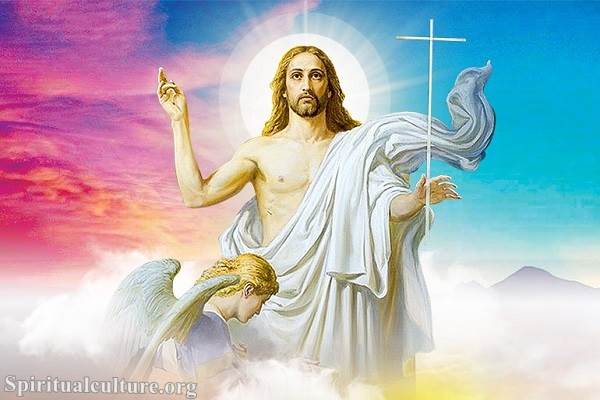
The New Testament records Jesus addressing God as Father and teaching his followers to pray, “Our Father.” The Gospels also present Jesus as distinct from the Father while sharing a unique relationship with him. Later Christian creeds used this language to clarify how Jesus could be confessed as divine without abandoning belief in one God.
Is “Father” a statement about biological sex?
Christian theology generally does not teach that God has a biological sex. “Father” is inherited from biblical and liturgical language and expresses relationship, origin, authority, care, and the relation of the Father to the Son. Scripture also uses other images for God, including shepherd, rock, king, and maternal comparisons.
Prayer and worship
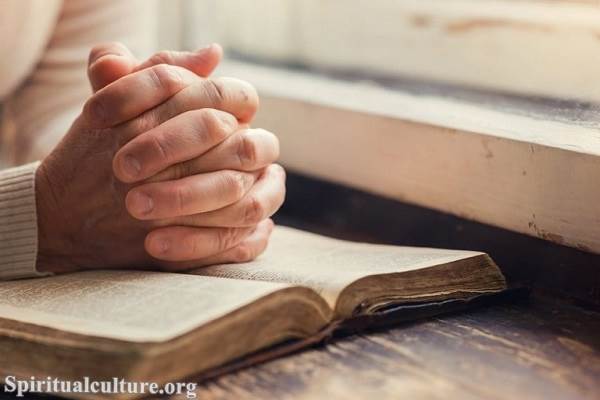
Many Christian prayers are addressed to the Father through the Son and in the Holy Spirit. The Lord’s Prayer is the best-known example. Other prayers may be addressed directly to Jesus or invoke the Holy Spirit, depending on the tradition and liturgical setting.
Differences among Christian traditions
Catholic, Orthodox, Anglican, Lutheran, Reformed, and many other churches share the basic Trinitarian confession of God the Father. Differences arise in how they describe the procession of the Holy Spirit, divine attributes, liturgical language, and the relationship between scripture and later theological formulations.