It is written as a letter from John the apostle, who was exiled to the island of Patmos when he received a vision from God.
In Revelation 1:4, John writes: “Grace and peace to you from him who is, and who was, and who is to come, and from the seven spirits before his throne.” This verse introduces the concept of the seven spirits of God, which are described as being before the throne of God.
In Revelation 4:5, John describes a scene in which he sees a throne in heaven, and around the throne are four living creatures and twenty-four elders. Living creatures are described as having six wings and are full of eyes. They are also described as constantly saying, “Holy, holy, holy is the Lord God Almighty, who was, and is, and is to come.” The twenty-four elders are also described as being around the throne, and they are seen as casting their crowns before the throne and saying, “You are worthy, our Lord and God, to receive glory and honor and power, for you created all things, and by your will, they were created and have their being.”
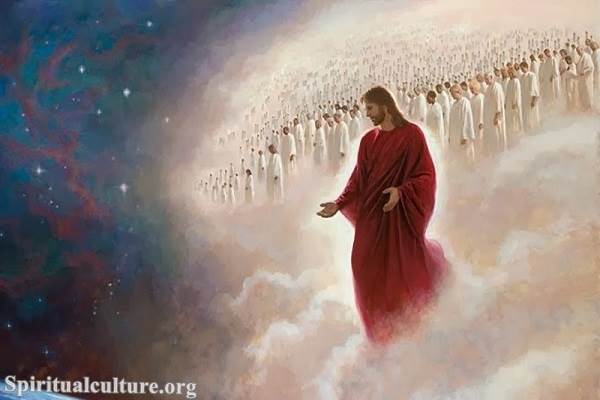
In this scene, John also sees seven lamps of fire burning before the throne, described as the “seven spirits of God.” These seven spirits are described as being sent out into all the earth and associated with the Holy Spirit.
The exact meaning of God’s seven spirits is unclear, and there are various interpretations of their significance. Some people believe that the number seven represents completeness or perfection and that the seven spirits represent different aspects or attributes of the Holy Spirit. Others see the seven spirits as representing the presence of the Holy Spirit in the world, working through believers to accomplish God’s will.
Overall, 7 spirits of God are seen as a symbol of the power and presence of the Holy Spirit, working to bring about God’s will and purpose.